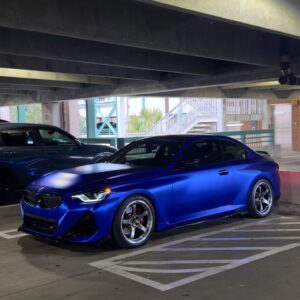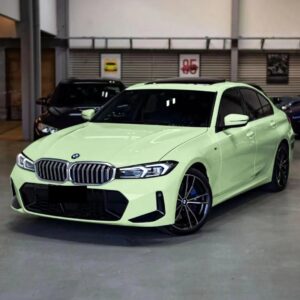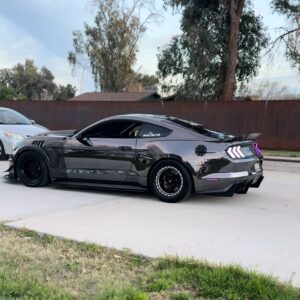
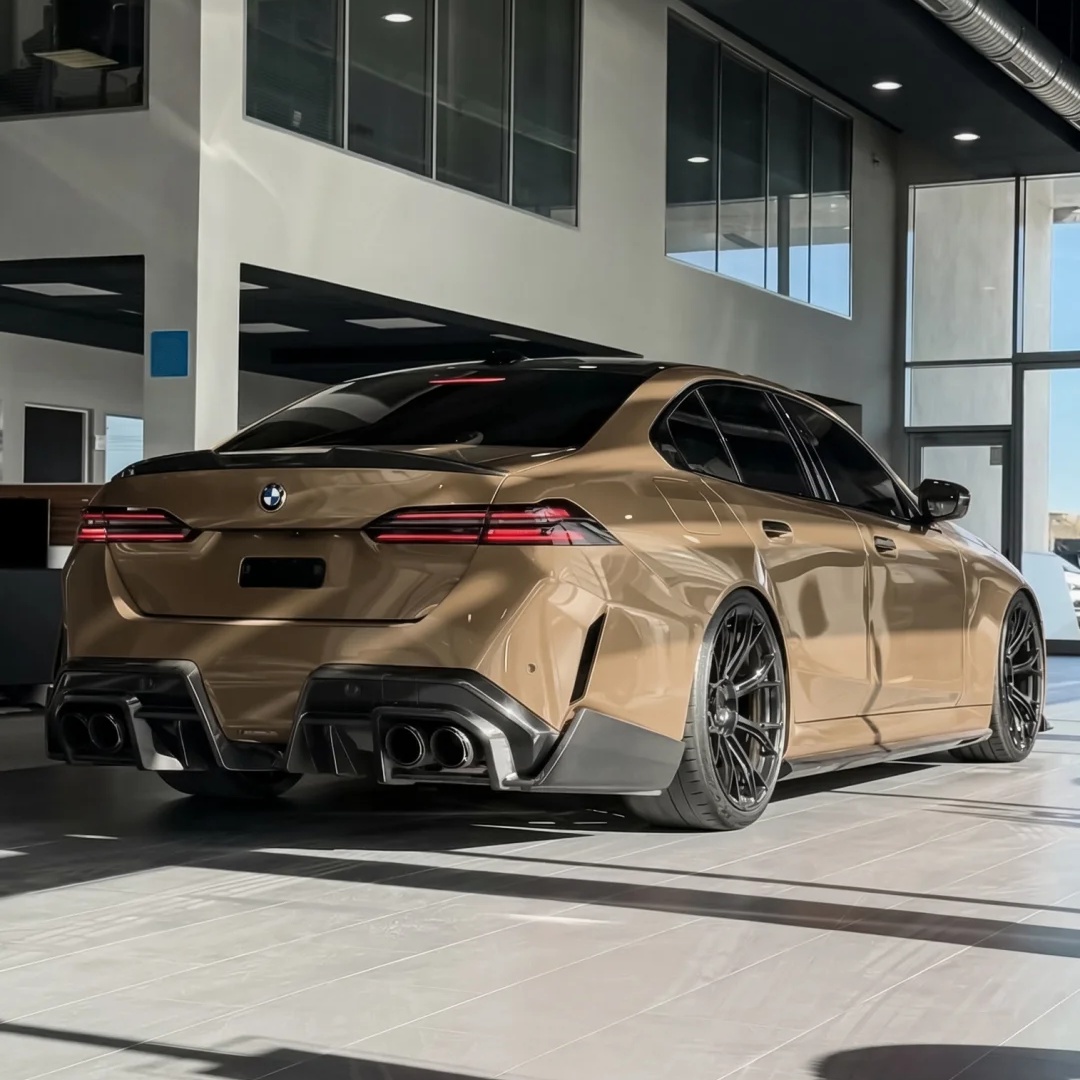
Color paint protection film has moved far beyond clear protection.
In 2026, drivers can choose gloss black, metallic purple, satin silver, racing orange, carbon-fiber-inspired finishes, color-shifting effects and dozens of OEM-inspired colors—all while adding a protective TPU layer over the original paint.
That raises an important question:
What are the best color PPF brands in 2026, and how do you choose between them?
The answer is more complicated than simply choosing the company with the longest warranty or largest color chart. Film construction, thickness, topcoat technology, self-healing performance, adhesive system, installation method, color consistency and published technical data can all affect the final result.
This guide compares ALUKO with 3M, XPEL, STEK, TeckWrap, Tinybot and INOZETEK to help vehicle owners and installers understand what actually separates today’s major colored PPF options.
Quick Answer: What Are the Best Color PPF Brands in 2026?
Featured Snippet Answer
The best color PPF brands in 2026 include ALUKO, 3M, XPEL, STEK, TeckWrap, Tinybot and INOZETEK. ALUKO stands out for its broad range of TPU colors, specialty effects and published technical specifications; 3M and XPEL offer strong manufacturer support and established protection technology; STEK has a strong reputation in premium PPF; while TeckWrap, Tinybot and INOZETEK appeal strongly to customers prioritizing color variety and vehicle restyling.
There is no single best brand for every vehicle. The right choice depends on whether your priority is maximum paint protection, unusual colors, OEM-like appearance, installation flexibility, warranty coverage or overall value.
What Is Color PPF?
Color PPF, or colored paint protection film, is a protective automotive film that combines two functions:
- changing the appearance of the vehicle; and
- protecting the original paint underneath.
Traditional clear PPF film is designed to remain almost invisible while protecting factory paint.
Colored PPF takes the concept further by incorporating pigments, metallic particles, matte or satin effects, pearlescent finishes and, in some products, color-shifting effects.
Most modern premium products use thermoplastic polyurethane (TPU) rather than conventional PVC.
This distinction matters.
TPU is generally thicker and more elastic than the PVC commonly used for cosmetic vinyl wrap. A properly engineered TPU PPF can therefore provide considerably more resistance against stone chips, road debris and surface abrasion while still changing the vehicle’s appearance.
XPEL, for example, states that its COLOR PPF is approximately 60% thicker than traditional vinyl and incorporates a self-healing surface designed to deal with light scratches and swirl marks.
That illustrates why color PPF should not simply be viewed as “thicker vinyl.”
It is a different product category.
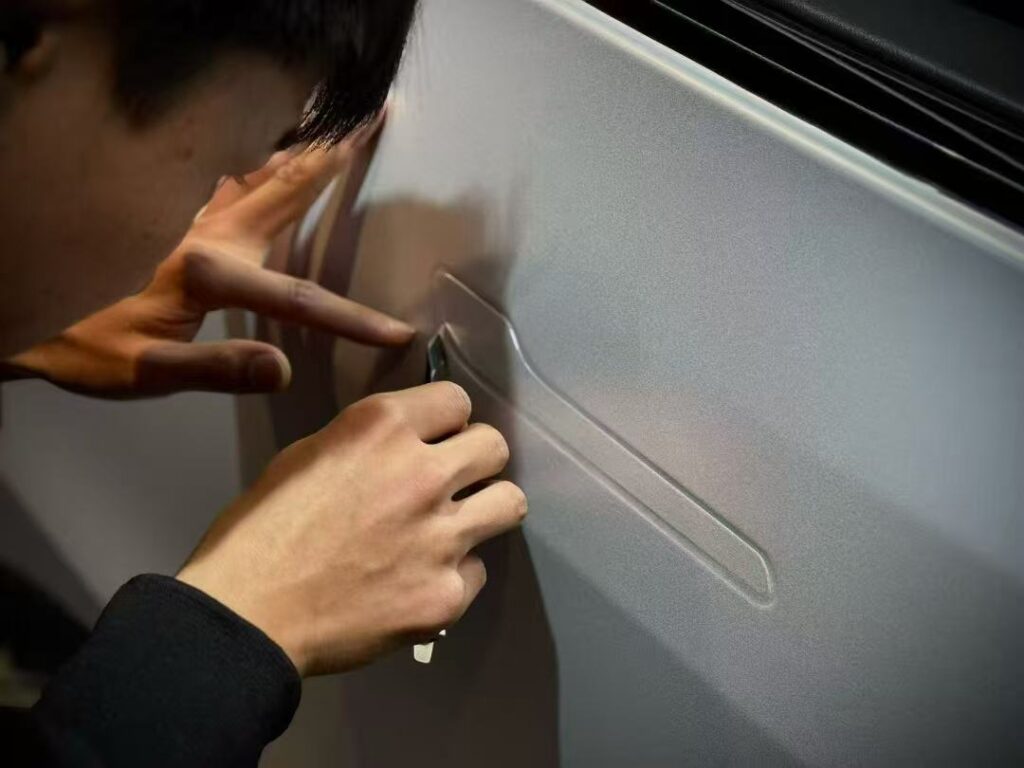
Color PPF vs Vinyl Wrap vs Clear PPF
Before comparing the best color PPF brands, buyers should understand what each type of film is designed to do.
| Feature | Color PPF | Vinyl Wrap | Clear PPF |
|---|---|---|---|
| Primary purpose | Color change + protection | Color/style change | Paint protection |
| Typical material | TPU | PVC | TPU |
| Color change | Yes | Yes | No |
| Stone-chip protection | High | Limited | High |
| Self-healing | Common on quality films | Usually no | Common |
| Hydrophobic topcoat | Common | Product-dependent | Common |
| Specialty colors | Increasing rapidly | Extremely broad | Limited |
| Original paint remains visible | No | No | Yes |
| Best for | Style + protection | Affordable customization | Preserving factory paint |
A traditional vinyl wrap remains an excellent choice when appearance and frequent color changes are the priority.
For example, enthusiasts who want to change colors every few years may find vinyl more practical and economical.
Color PPF becomes particularly attractive when a driver wants a dramatic color transformation but also wants a thicker protective barrier.
Meanwhile, drivers who already love their OEM paint usually gain little from covering it with another color. For them, clear PPF is generally the more logical option.
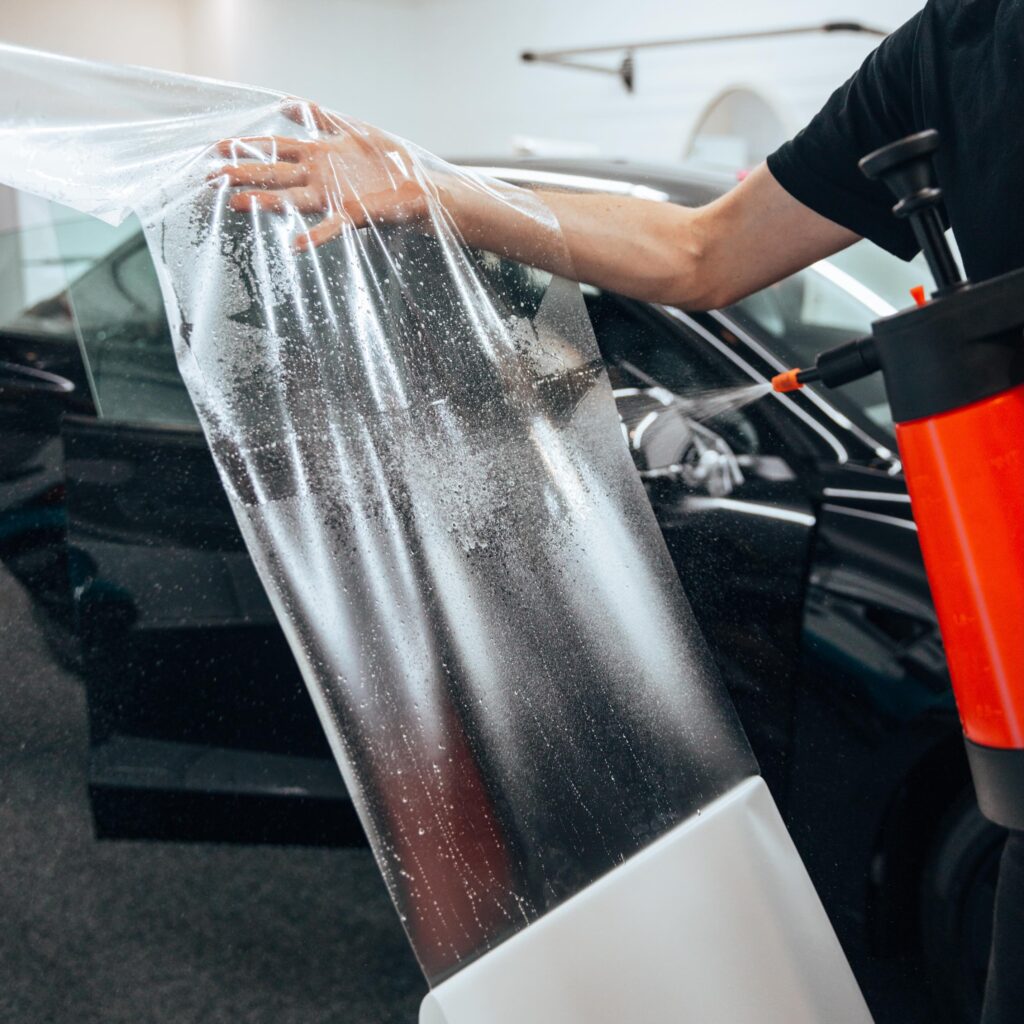
Best Color PPF Brands: 2026 Comparison
Here is a practical comparison of seven important brands in today’s colored PPF market.
| Brand | Color PPF Focus | Notable Strength | Published/Market Position | Best For |
| ALUKO | Extensive | Specialty colors + technical specs | TPU color PPF, including gloss, matte, satin, metallic and specialty effects | Variety + value + customization |
| 3M | Growing | Film engineering + dry installation | Protection Wrap Film available in nearly 30 premium colors | Established brand ecosystem |
| XPEL | Growing | Protection technology + dealer network | Dedicated COLOR PPF with 10-year warranty | Premium professional installation |
| STEK | Strong specialty PPF heritage | Topcoat technology | Premium self-healing/hydrophobic PPF ecosystem | High-end PPF customers |
| TeckWrap | Extensive | Detailed color-PPF specifications | TPU color PPF; some products offer 360–430% elongation | Installers + enthusiasts |
| Tinybot | Extensive/restyling-driven | Unusual colors and effects | Large and rapidly expanding PPF catalog | Unique builds |
| INOZETEK | Strong | Paint-like finishes | Dedicated INOCOLOR / Dynamic PPF ranges | Luxury restyling |
These products should not be considered technically identical. Thickness, adhesive, topcoat chemistry, warranty conditions and test methods vary by product and manufacturer.
1. ALUKO Color PPF
For buyers prioritizing color choice and unusual finishes, ALUKO is one of the most interesting options to compare in 2026.
Unlike PPF ranges focused primarily on transparent protection, ALUKO’s color PPF lineup is built heavily around vehicle transformation.
Available effects extend beyond conventional black, white, grey and blue into metallic, satin, chrome-inspired, color-shifting and carbon-fiber-inspired finishes.
More importantly, ALUKO publishes measurable specifications for a number of its TPU products.
For example, selected current ALUKO colored PPF listings publish specifications including:
- approximately 7.5 mil thickness
- 370.23% elongation at break
- 22.32 MPa tensile strength
- 93A hardness
- 98.5% UV resistance
- hydrophobic properties
- heat-activated self-healing
- wet and dry installation compatibility on selected products
- approximately 5–7 years expected durability on selected color PPF products
These figures are useful because phrases such as “premium TPU” or “high performance” are difficult to evaluate without measurable context.
A 370.23% published elongation figure, for example, indicates substantial material flexibility. That can matter when installing around bumpers, mirrors and complex body contours.
However, elongation should never be interpreted as permission to stretch a film to its theoretical maximum during installation. Excessive stretching can alter pigment density, gloss and adhesive performance.
ALUKO Pros
ALUKO’s biggest advantage is the combination of protection-oriented TPU construction and a wrap-style color catalog.
The brand is especially relevant to buyers who previously chose vinyl because PPF did not offer enough interesting colors.
Its growing range also makes it useful for custom shops that want unusual finishes rather than only mainstream OEM-style colors.
ALUKO Cons
The large product range means specifications can vary between individual products. Buyers should therefore evaluate the exact SKU rather than assuming every ALUKO color PPF has identical thickness, installation method or expected durability.
Best For
ALUKO is particularly suitable for drivers and installers who want bold colors, specialty effects, TPU protection and competitive value in the same product category.
2. 3M Protection Wrap Film
3M is one of the most established names in automotive film technology.
Historically, buyers often associated 3M with either traditional vehicle wrap films or clear PPF. That distinction is becoming less relevant.
3M now markets Protection Wrap Film Color Series, which combines vehicle personalization with PPF-like protection.
According to 3M’s current product information, Protection Wrap Film is available in nearly 30 premium colors and is engineered to help protect against chips, scratches and stains.
One particularly interesting difference is installation.
3M uses its Controltac and Comply technologies to enable dry application. This makes the product conceptually closer to the workflow experienced wrap installers already understand.
That is significant because conventional PPF has traditionally relied heavily on wet installation.
3M’s clear Scotchgard PPF Pro Series 200 also provides a useful benchmark for the company’s protection technology. The company lists a total thickness around 200 μm and a 10-year consumer warranty for that product.
3M Pros
3M brings decades of film engineering experience, strong documentation and a major professional installer ecosystem.
Its move into colored protective wrap film also validates a broader industry trend: the boundary between cosmetic vehicle wrap and protective film is becoming increasingly blurred.
3M Cons
The color catalog is still much smaller than the hundreds of appearance possibilities available from some style-oriented wrap and color-PPF suppliers.
Best For
3M is attractive for customers who prioritize manufacturer reputation, standardized systems and installer familiarity.
3. XPEL COLOR PPF
XPEL COLOR PPF approaches the category from the opposite direction.
Rather than being primarily a wrap company expanding into protection, XPEL has a strong PPF-centered identity.
Its COLOR PPF combines bold color finishes with the company’s existing focus on protective film.
XPEL currently highlights gloss, satin and metallic color options.
More importantly, the company explicitly promotes:
self-healing technology, rock-chip protection, stain resistance and a 10-year warranty.
XPEL states that its color PPF can last up to ten years with appropriate care and maintenance.
Its FAQ also describes COLOR PPF as roughly 60% thicker than traditional vinyl.
This makes XPEL particularly compelling for buyers who approach the purchase from a paint-protection-first perspective.
XPEL Pros
The major strengths are the professional installation ecosystem, strong PPF brand recognition and long warranty positioning.
XPEL Cons
Customers looking for extremely unusual chameleon, gradient or experimental finishes may find dedicated restyling-oriented catalogs more interesting.
Best For
XPEL makes sense for owners of expensive vehicles who prioritize established PPF technology and professional dealer installation, but still want to change color.
4. STEK
STEK has built a strong reputation around premium paint protection films and distinctive finishes.
Its DYNOshield clear PPF provides a useful indication of its engineering approach.
STEK lists DYNOshield at approximately 8 mil thickness with a hydrophobic, nano-ceramic-infused topcoat, self-healing properties and a 10-year warranty.
The brand has also become well known among enthusiasts for specialty PPF finishes.
This is important because premium PPF is not only about film thickness.
Topcoat engineering determines much of what an owner experiences every day: water behavior, staining, surface slickness, gloss retention and recovery from fine scratches.
STEK Pros
Strong premium positioning, advanced surface technology and an enthusiast-oriented product ecosystem.
STEK Cons
Premium PPF systems can carry higher material and installation costs than value-focused alternatives.
Best For
STEK deserves consideration for premium and enthusiast vehicles where surface quality and protection are more important than minimizing project cost.
5. TeckWrap Color PPF
TeckWrap has expanded aggressively from vinyl into colored TPU paint protection films.
Its current product pages provide unusually detailed specifications for several products.
For example, selected TeckWrap color PPF products publish figures around:
360–430% elongation, 22 MPa tensile strength and a 5-year manufacturer warranty.
Some products also use aliphatic TPU, fluorocarbon polyurethane topcoats, low-tack acrylic adhesives and micro-grooved PET liners designed for dry installation.
This makes TeckWrap particularly interesting to professional wrap installers transitioning from PVC into TPU.
TeckWrap Pros
Strong color selection, detailed published specifications and dry-install options.
TeckWrap Cons
As with ALUKO, specifications vary across products, so buyers should compare individual SKUs rather than judging the entire catalog by one specification sheet.
Best For
TeckWrap is particularly attractive to wrap shops and experienced installers who want color PPF with installation characteristics closer to modern vinyl workflows.
6. Tinybot Color PPF
Tinybot is another brand worth watching because its strategy emphasizes styling diversity.
At the time of this comparison, its New PPF Arrivals collection displayed 45 products.
Examples include finishes such as Gloss 6D Carbon Fiber, Lumina Black, Gloss Metallic Copper, Raspberry Punch, Finish Line Green, Space Gold Green and Slate Blue.
That catalog illustrates how rapidly the color PPF market is moving beyond basic solid colors.
Tinybot Pros
Tinybot is particularly strong for customers searching for unusual aesthetics and enthusiast-oriented finishes.
Tinybot Cons
When comparing individual products, professional installers should still request or review technical documentation rather than choosing purely from online color photography.
Best For
Tinybot is a compelling choice for show cars, enthusiast builds and customers whose first priority is finding a distinctive finish.
7. INOZETEK
INOZETEK became widely recognized in the automotive restyling market for paint-like finishes.
Its current product structure separates traditional vinyl from Dynamic PPF, including INOCOLOR Gloss PPF, INOCOLOR Satin PPF and clear/matte protective products.
That positioning makes sense for luxury and exotic vehicle customers.
Instead of treating PPF purely as invisible armor, INOZETEK approaches colored PPF as part of a premium restyling ecosystem.
INOZETEK Pros
Paint-like aesthetics, strong luxury-restyling identity and dedicated colored TPU PPF categories.
INOZETEK Cons
Availability, installer access and project pricing may be more important considerations depending on region.
Best For
INOZETEK is worth considering for luxury builds where a smooth, paint-like color transformation is the primary aesthetic objective.
What Actually Makes a Good Color PPF?
Brand recognition matters, but technical construction matters more.
Here are the factors buyers should evaluate.
1. TPU Quality
Look for genuine TPU construction.
Modern high-quality PPF generally relies on thermoplastic polyurethane because it combines flexibility, toughness and elastic recovery.
But “TPU” alone does not guarantee quality.
The formulation, topcoat, pigment layer and adhesive system all matter.
2. Film Thickness
A thicker film generally creates a larger physical barrier between road debris and paint, but thicker is not automatically better.
Film must remain flexible enough to conform around complex automotive panels.
For perspective, 3M lists its Scotchgard PPF Pro Series 200 at approximately 200 μm, or roughly 7.9 mil.
ALUKO’s 7.5 mil products sit in a similar general protection-film thickness category, although the products and test methods are not identical.
3. Elongation
Color PPF needs enough elasticity to follow bumpers, fenders and compound curves.
ALUKO lists approximately 370.23% elongation at break on selected products, while TeckWrap publishes approximately 360–430% for selected color PPF products.
These numbers should not be treated as direct laboratory rankings because testing conditions may differ.
They do, however, show why published technical data is valuable.
4. Self-Healing Topcoat
A quality self-healing surface can reduce the appearance of fine wash marks and light scratches when exposed to warmth.
It cannot repair everything.
Deep cuts, punctures or damage penetrating through the film will not magically disappear.
Consumers should be cautious of marketing that implies otherwise.
5. Hydrophobicity
A hydrophobic topcoat encourages water to bead and reduces the tendency of contaminants to remain attached to the surface.
That makes washing easier but does not make PPF maintenance-free.
Bird droppings, insects and chemical contamination should still be removed promptly.
6. Adhesive Technology
Adhesive behavior strongly affects installation quality.
Too aggressive, and positioning becomes difficult.
Too weak, and edges may lift.
Modern systems increasingly emphasize repositionability, reduced adhesive marking and air-release technology.
7. Color Stability
Color PPF introduces a challenge that clear PPF does not have: the protective material itself must maintain a consistent visible color.
UV exposure, heat and contamination can affect appearance over time.
This makes UV resistance and pigment stability especially important on red, orange, yellow and color-shifting finishes.
Pros and Cons of Color PPF
Advantages
Protection and customization happen simultaneously.
Instead of installing clear PPF over an expensive color-change wrap, one material can perform both functions.
Better chip resistance than ordinary vinyl.
The thicker TPU construction provides significantly more physical protection than cosmetic PVC film.
Self-healing surface technology.
Fine marks can become less visible with heat on suitable films.
Premium appearance.
Modern gloss color PPF can achieve impressive depth and paint-like reflections.
Preserves original paint.
The OEM finish remains underneath rather than being permanently repainted.
Disadvantages
Higher material cost.
Color PPF generally costs more than conventional vinyl.
Installation requires experience.
The material is thicker and behaves differently from PVC.
Color range varies dramatically by brand.
Although rapidly improving, some major PPF brands still have fewer colors than established vinyl catalogs.
Damage is still possible.
PPF reduces risk; it does not make paint invincible.
Warranty terms vary.
A 10-year clear PPF warranty does not automatically mean every colored product from the same company has the same warranty.
Always verify the exact product.
ALUKO vs 3M vs XPEL: Which Is Better?
These three illustrate three different approaches to the market.
Choose ALUKO if your priorities are broad color selection, unusual effects, published specifications and strong value.
Choose 3M if you prioritize a globally established film manufacturer, dry-install technology and professional ecosystem.
Choose XPEL if your highest priority is established PPF technology, dealer installation and long warranty positioning.
None is automatically superior for every customer.
For example, a Porsche owner seeking a conservative OEM-inspired finish may prioritize installer network and warranty.
A BMW M4 owner searching for an unusual metallic purple, satin chrome or color-shifting appearance may value ALUKO’s much broader styling possibilities.
A professional wrap shop may place greater weight on dry installation and material repositionability.
The best color PPF brand is therefore the one whose product architecture matches the project—not simply the most recognizable logo.
Which Color PPF Should You Choose?
For a daily-driven vehicle, prioritize stain resistance, self-healing and easy maintenance.
For a highway-driven vehicle, prioritize impact resistance and adequate thickness.
For an exotic or luxury car, prioritize surface quality, color consistency and professional installation.
For a show car, specialty colors and visual depth may matter more.
For a leased or frequently restyled vehicle, compare the economics carefully. Conventional vinyl may still make more sense when the main objective is a temporary color change.
And if you already love your factory paint, color PPF may be unnecessary.
A premium clear protective film can preserve the OEM appearance while adding the protection you actually need.
FAQ: Best Color PPF Brands
What is the best color PPF brand?
There is no universal winner. ALUKO is particularly competitive for color variety and specialty effects, while XPEL, 3M and STEK are strong options for buyers prioritizing established PPF technology. TeckWrap, Tinybot and INOZETEK are also worth considering for styling-focused applications.
Is color PPF better than vinyl wrap?
For protection, generally yes. TPU color PPF is typically thicker and more impact-resistant than conventional PVC vinyl. However, vinyl remains attractive because it is usually less expensive and offers an enormous selection of colors and graphics.
Does colored PPF protect against rock chips?
Quality TPU color PPF is designed to absorb minor impacts from road debris and reduce the risk of stone chips reaching the factory clear coat. No film can guarantee protection against every impact.
Does color PPF self-heal?
Many modern premium products use self-healing topcoats. Heat from warm water, sunlight or controlled heating can reduce the appearance of fine surface marks. Deep cuts cannot self-heal.
How long does color PPF last?
It depends on the manufacturer, product, climate, installation and maintenance. Current products on the market range from roughly five-year warranty or durability positions to premium systems marketed with up to ten-year coverage. Always check the exact SKU rather than assuming a brand-wide lifespan.
Is color PPF worth the extra cost?
It can be when you already plan to change the vehicle’s color and want meaningful paint protection. Paying for one color PPF installation may make more sense than installing a cosmetic wrap and then adding another protective film over it.
Can color PPF be installed dry?
Some can. ALUKO offers wet/dry compatibility on selected color PPF products, while newer systems from companies such as 3M and TeckWrap also include dry-install technologies. Other traditional PPF products require wet installation.
Does colored PPF damage factory paint?
Quality automotive film applied to sound OEM paint should be removable when proper professional techniques are followed. Repainted, repaired or already damaged surfaces require additional caution because aftermarket paint adhesion can vary.
Is clear PPF or color PPF better?
Choose clear PPF when you want to preserve your factory color. Choose color PPF when you want both a new appearance and protective TPU layer.
Final Verdict: What Are the Best Color PPF Brands in 2026?
The color PPF market in 2026 is no longer a niche extension of clear paint protection film.
It is becoming a genuine alternative to conventional vehicle wrapping.
3M’s entry into protective colored wrap film, XPEL’s dedicated COLOR PPF platform and the rapidly expanding catalogs from ALUKO, TeckWrap, Tinybot and INOZETEK demonstrate the same trend:
vehicle customization and paint protection are converging.
For buyers, that is good news.
Drivers no longer have to choose strictly between preserving their paint and dramatically changing their vehicle’s appearance.
The best choice, however, should be based on measurable characteristics rather than marketing language.
Compare TPU construction, film thickness, elongation, topcoat technology, installation system, warranty or expected durability, color stability and—most importantly—the experience of the installer using that particular material.
For customers prioritizing the widest possible range of styling choices, ALUKO Color PPF deserves particular consideration because it combines TPU construction with an unusually diverse selection of gloss, matte, satin, metallic and specialty finishes.
Meanwhile, 3M and XPEL remain particularly compelling when established manufacturer ecosystems and long-term professional support are the main priorities.
Ultimately, the best color PPF is not simply the film with the longest warranty or highest specification on paper.
It is the product that delivers the right combination of appearance, protection, installation performance and long-term value for your vehicle.
Ready to Explore Color PPF?
If you want the visual transformation of a vehicle wrap but need more protection against stone chips, scratches and everyday road debris, explore ALUKO’s TPU color PPF collection.
Compare gloss, matte, satin, metallic and specialty finishes, request samples before a full-body installation, and choose a finish that complements the shape and character of your vehicle.
Change the color. Protect the paint. Do both in one installation.