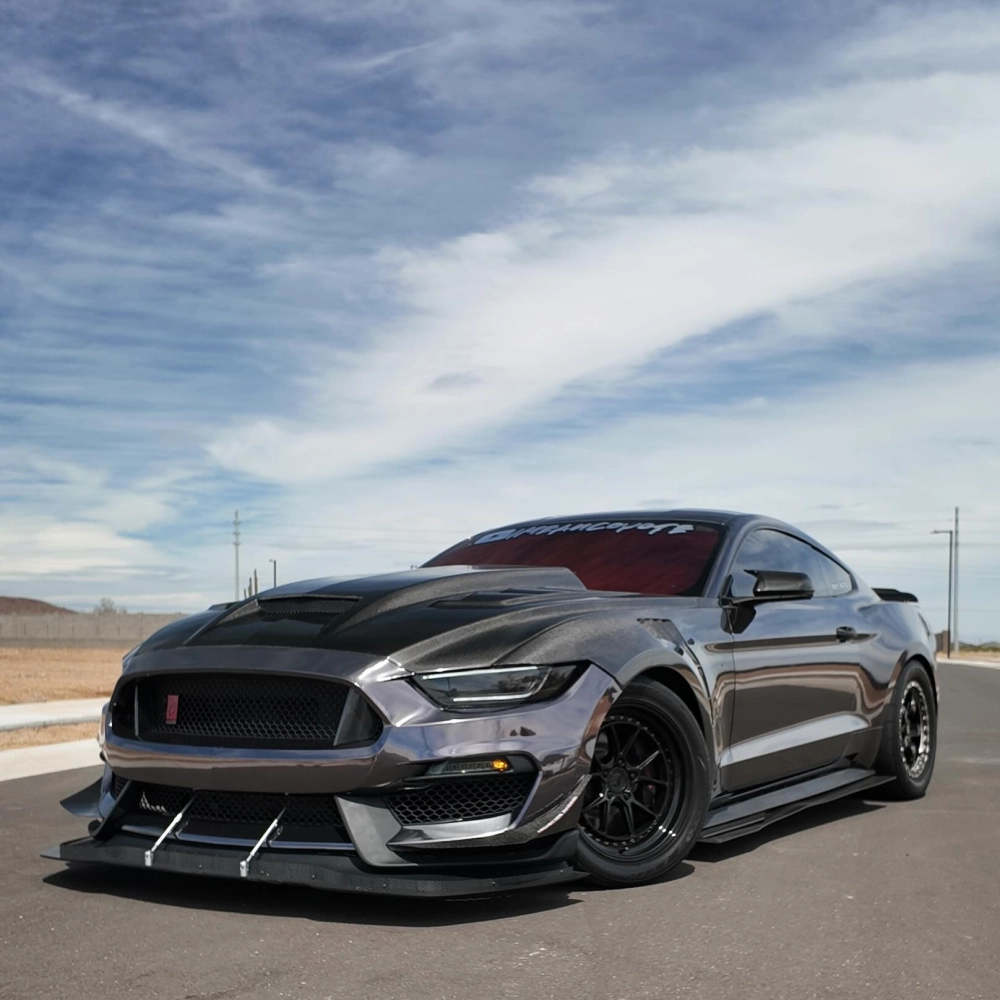
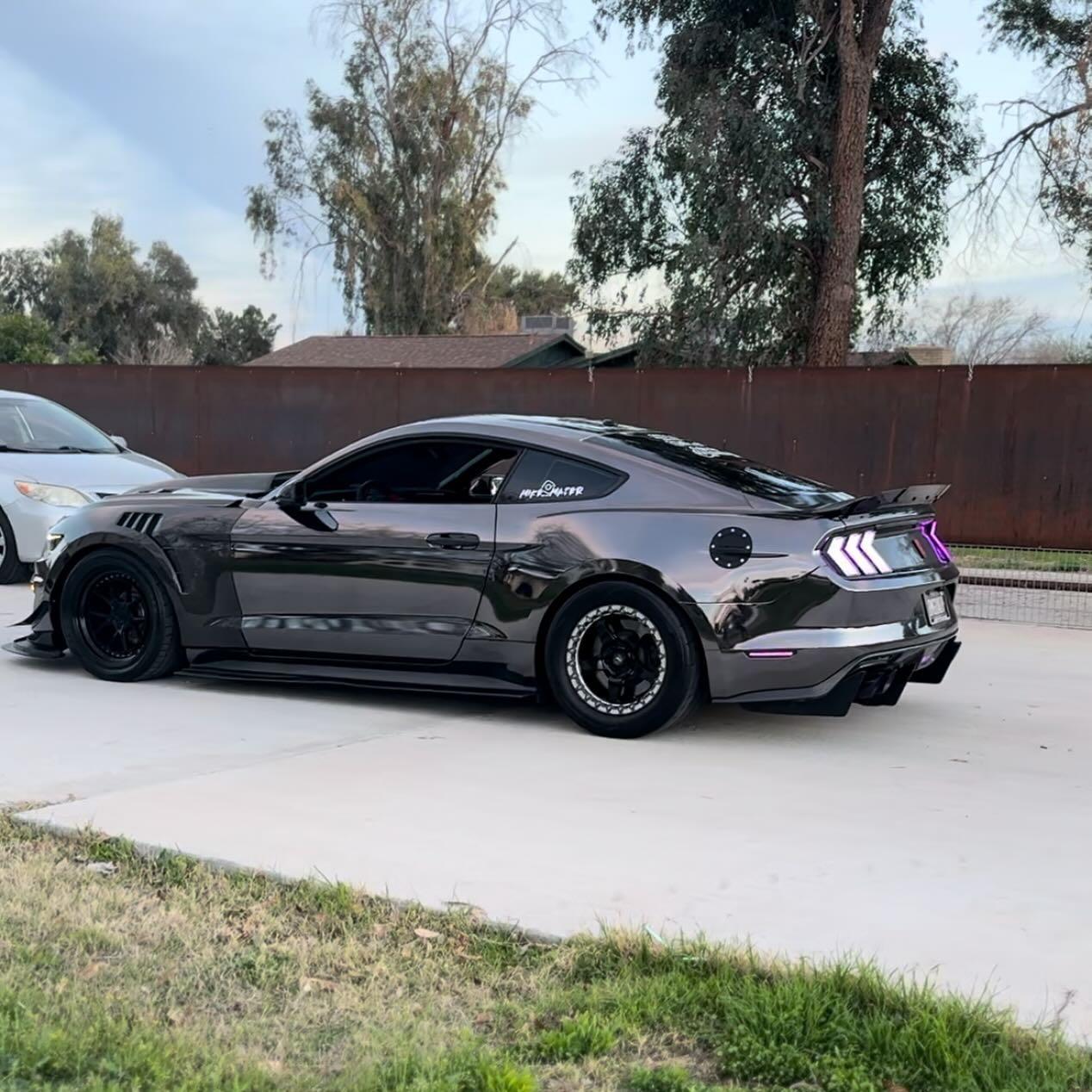
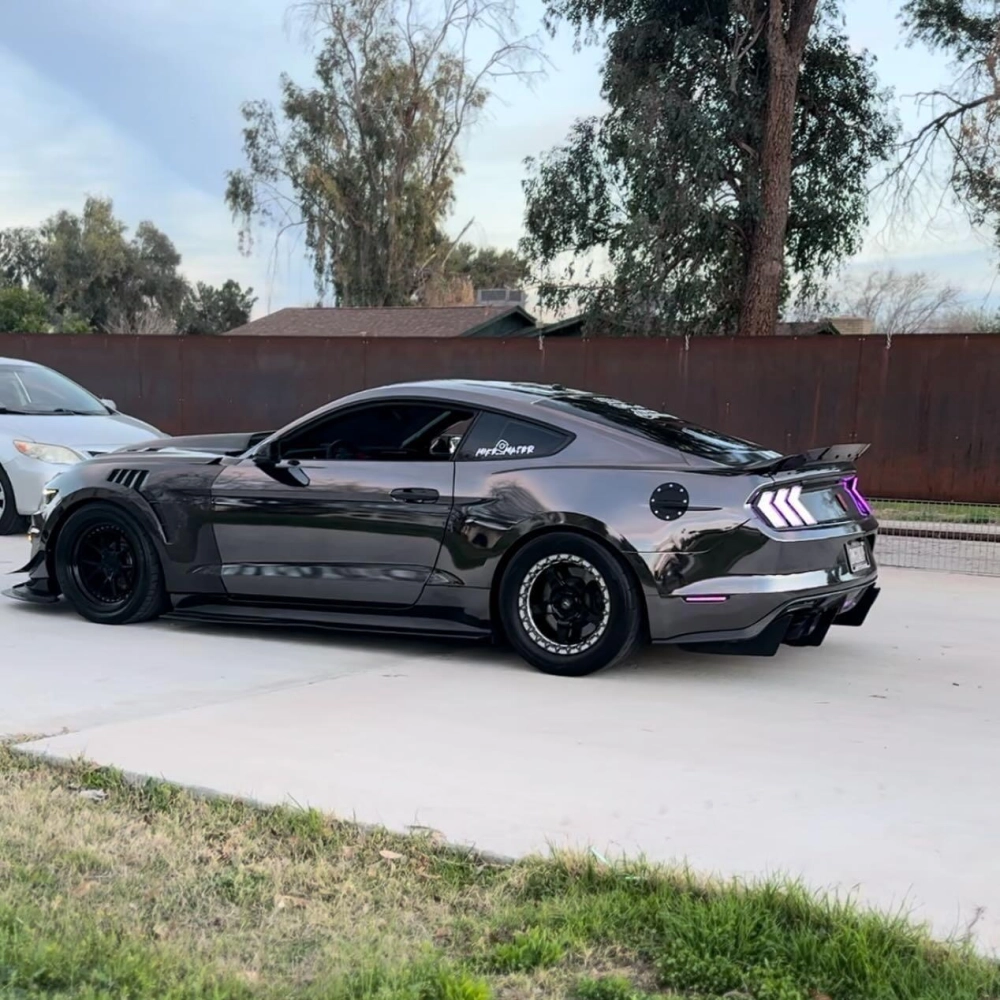
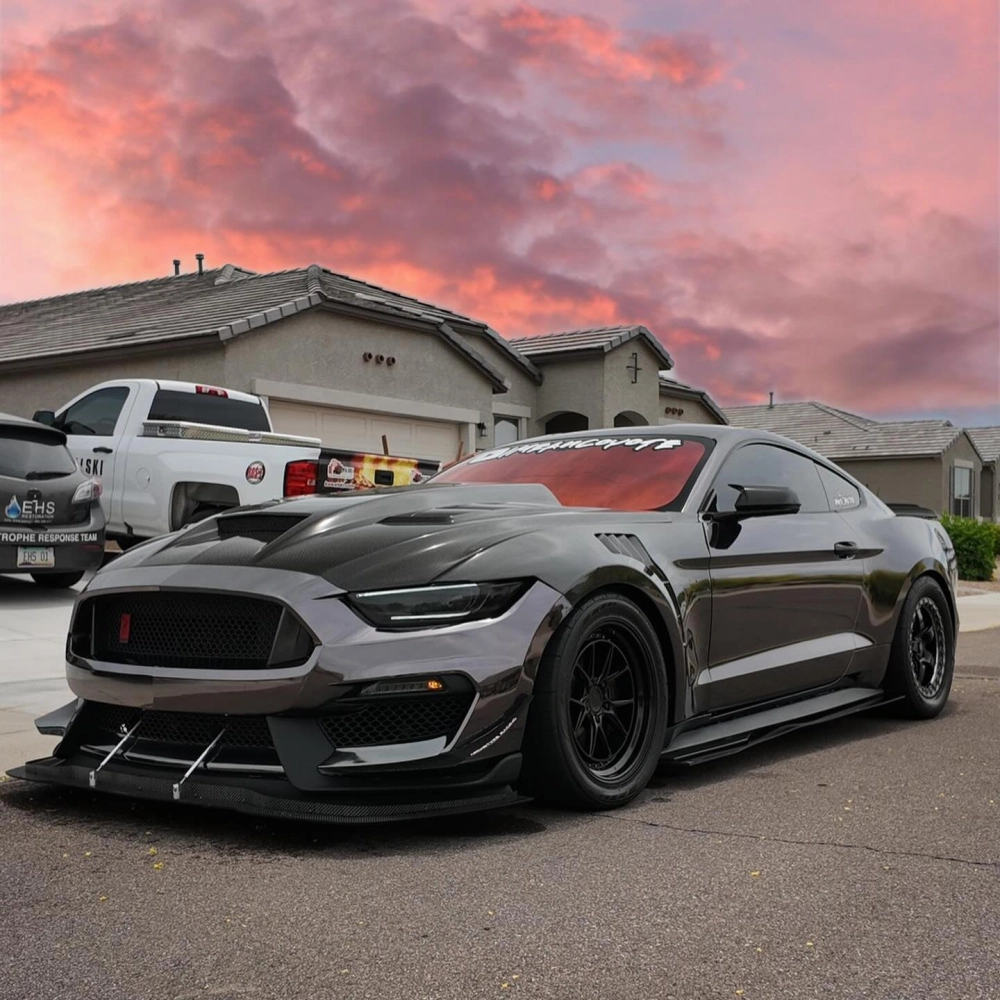
A black chrome wrap sits somewhere between gloss black and traditional mirror chrome. From a distance, it can look deep, dark and almost liquid; under direct sunlight, showroom LEDs or street lighting, the surface reveals much stronger reflections and a metallic mirror character.
That visual effect is exactly what makes gloss mirror black chrome attractive—and also what makes it more demanding than an ordinary black vinyl wrap.
If you are considering black chrome for a full vehicle, the important question is not simply whether it looks good. You should also consider installation difficulty, stretch limitations, maintenance, durability, surface condition and whether the vehicle’s body shape is suitable for chrome film.
This guide examines the pros and cons of gloss mirror black chrome wrap, using ALUKOVINYL’s Gloss Chrome Mirror Black PET film as a practical example while comparing the category with established chrome-film guidance from manufacturers such as Avery Dennison and 3M.
Manufacturer Disclosure: ALUKOVINYL manufactures and sells automotive vinyl wrap, including the product discussed in this article. Product-specific observations are identified separately from independent manufacturer references so buyers can distinguish our commercial information from broader industry guidance.
Featured Snippet: What Are the Pros and Cons of Black Chrome Wrap?
Black chrome wrap combines a dark black tone with a highly reflective chrome surface. Its biggest advantages are dramatic mirror-like depth, strong visual impact, reversible customization and some protection for the original paint. Its disadvantages include more difficult installation, higher sensitivity to scratches and fingerprints, limited stretch compared with conventional wrap films, higher maintenance requirements and typically shorter service life than standard gloss colors.
Black Chrome Pros and Cons at a Glance
| Pros | Cons |
|---|---|
| Distinctive mirror-black appearance | More difficult to install |
| Strong reflections and visual depth | Overstretching can distort the chrome effect |
| Makes body lines highly visible | Scratches and imperfections show easily |
| Reversible alternative to custom paint | Requires careful cleaning |
| Adds a sacrificial vinyl layer over paint | Usually shorter-lived than conventional colors |
| Excellent for show and performance builds | Complex vehicles may require seams/inlays |
| Available for accents or full transformations | Not ideal for every DIY installer |
Bottom line: black chrome is primarily a finish for drivers who prioritize visual impact over maximum ease of installation, low maintenance and long-term durability.
What Is Gloss Mirror Black Chrome Wrap?
A gloss mirror black chrome wrap is a reflective automotive vinyl designed to create a darkened chrome appearance rather than the conventional bright-silver appearance associated with chrome.
The distinction matters.
A normal gloss black wrap primarily reflects highlights from its glossy top surface. Black chrome is intended to make reflections themselves a much stronger part of the vehicle’s appearance. Buildings, clouds, trees and artificial lights can become visible across the body panels.
The result changes significantly with the environment:
- Bright sunlight: black chrome can look lighter and more metallic.
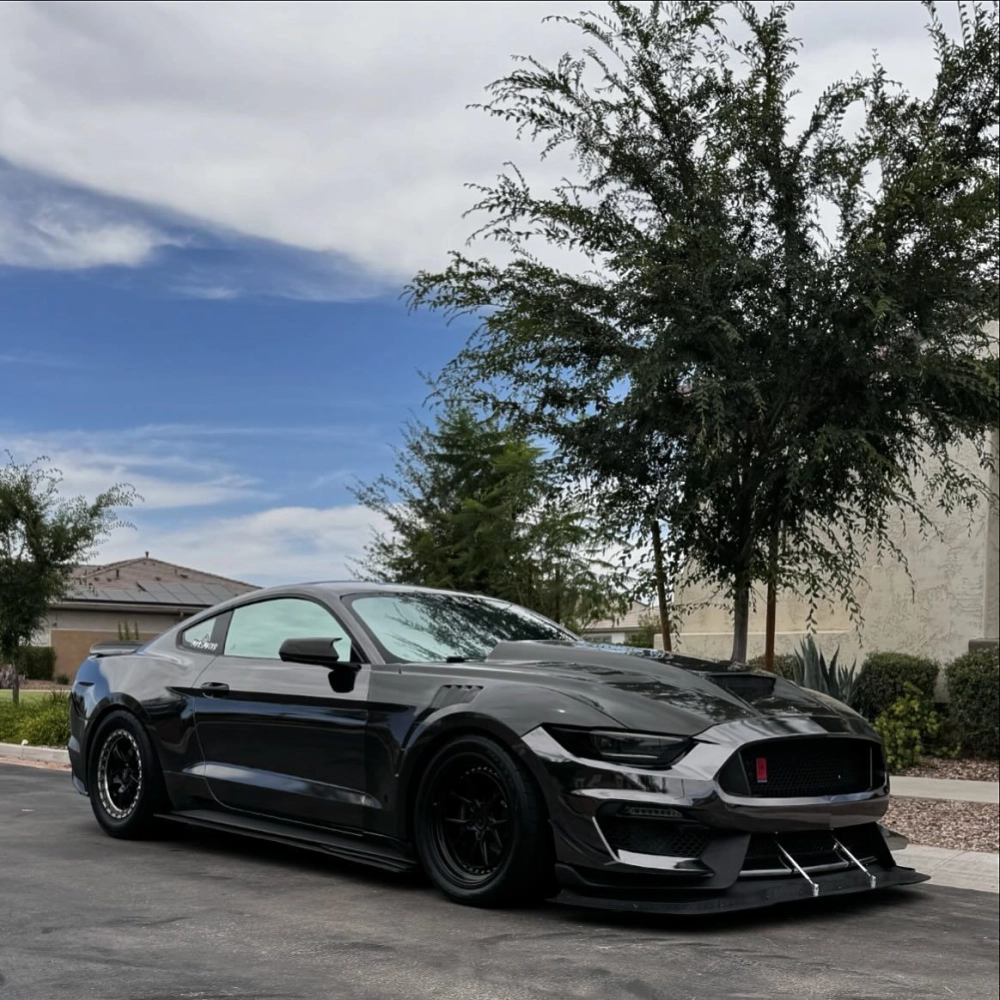
- Overcast conditions: the finish tends to appear deeper and darker.
- Indoor lighting: long LED reflections emphasize curves and panel contours.
- Nighttime: the vehicle can appear close to deep gloss black until strong light sources hit the surface.
This makes black chrome particularly interesting for cars with pronounced shoulders, fenders and sculpted doors.
[IMAGE PLACEHOLDER: Black chrome car photographed in direct sunlight vs shade]
How Does ALUKOVINYL Gloss Mirror Black Chrome Differ?
The current ALUKOVINYL Gloss Chrome Mirror Black Car Vinyl Wrap PET is listed as SKU Y0007 and uses a high-performance calendered construction with low-tack solvent acrylic adhesive and a PET release liner. The listed film thickness is approximately 1.6 mil.
ALUKOVINYL’s broader Mirror Chrome Car Wrap collection also includes silver, gold, rose gold, blue, red, green and purple mirror finishes.
This is important because “chrome wrap” is a finish category, not one universal material specification. Films from different manufacturers can differ substantially in construction, adhesive, conformability, thickness and intended application.
For example, Avery Dennison’s Conform Chrome is approximately 142 μm for the face film and is officially positioned primarily as a specialty/accent film. Avery states that its colored chrome versions have a shorter published vertical-exposure durability than many conventional wrap finishes.
That comparison illustrates a broader industry reality: buyers should not assume a chrome film behaves like an ordinary gloss color simply because both products are called vehicle vinyl.
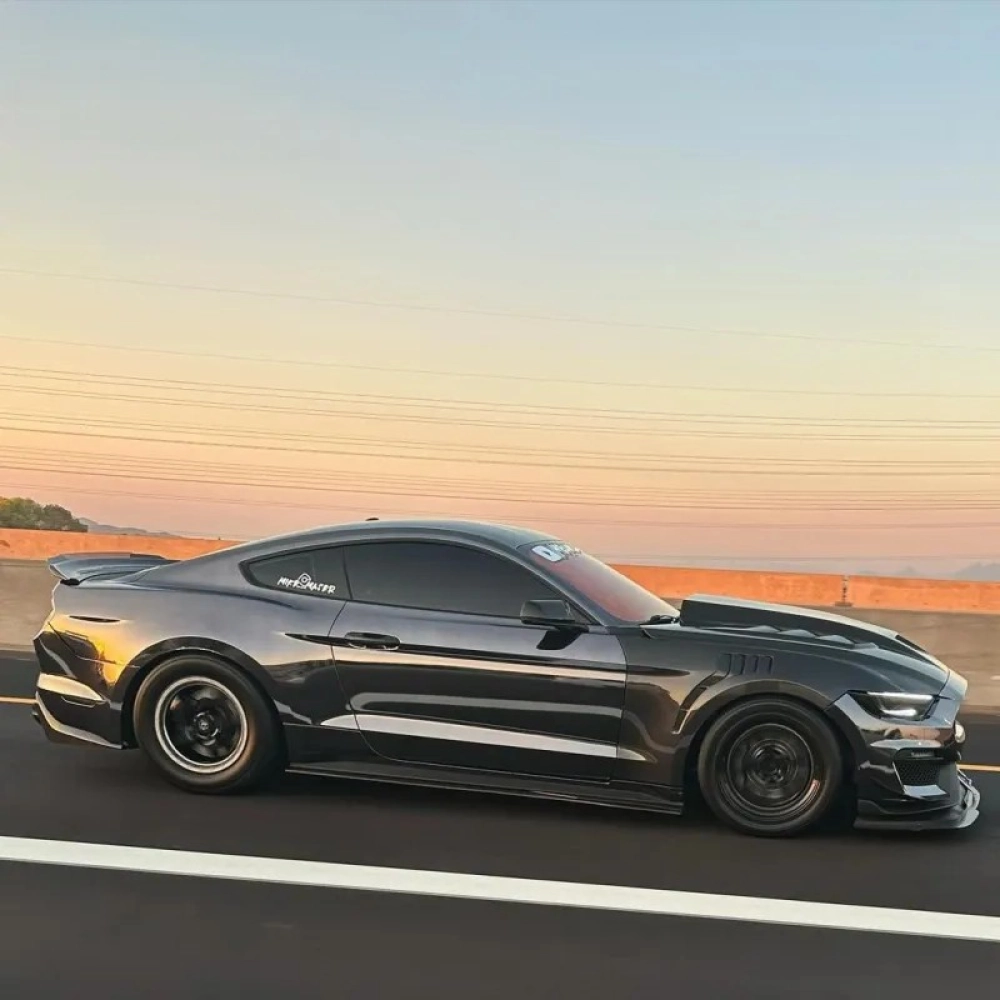
The Pros of Gloss Mirror Black Chrome Wrap
1. The Mirror Effect Creates Much More Visual Depth
This is the main reason to choose black chrome.
Standard gloss black is elegant because of its clean, deep surface. Black chrome goes further by turning environmental reflections into part of the design.
On a BMW M4, for example, light can follow the front fenders and shoulder line. On a Lamborghini Huracán, the mirror effect can emphasize the wedge-shaped body and angular air intakes. On a Tesla Model 3, the relatively clean side panels can create long, uninterrupted reflections.
This means the same wrap can look noticeably different depending on:
- time of day;
- surrounding architecture;
- lighting temperature;
- viewing angle;
- body-panel geometry.
For owners who want a finish that changes visually with its surroundings without using a multicolor chameleon film, this is one of black chrome’s strongest advantages.
2. Black Chrome Can Look More Aggressive Than Silver Chrome
Traditional mirror silver chrome is extremely bright.
Black chrome reduces that visual brightness while retaining the reflective character. The result can feel more integrated with black wheels, carbon-fiber components, tinted glass and dark exterior trim.
It is particularly effective on performance-oriented designs where conventional silver chrome may dominate the entire vehicle.
Visual Character Comparison
| Finish | Reflection | Overall Character | Maintenance Visibility |
|---|---|---|---|
| Gloss Black | High | Clean, classic | High |
| Satin Black | Low–Medium | Stealthy | Lower |
| Black Chrome | Very High | Dark, exotic, dramatic | Very High |
| Silver Chrome | Extremely High | Bright, show-oriented | Very High |
| Metallic Black | Medium | OEM-like, sophisticated | Medium |
This distinction also gives black chrome stronger differentiation from factory black paint.
3. It Makes Strong Body Lines Even Stronger
Highly reflective surfaces reveal geometry.
That is an advantage on vehicles with clean and intentional body surfacing because reflections visually trace the shape of the panel.
Vehicles That Can Work Particularly Well With Black Chrome
BMW M3 / M4
Large side panels, pronounced rear arches and aggressive bumpers provide plenty of surfaces for controlled reflections.
Porsche 911
The curved fenders can create dramatic highlights, although those curves also increase installation difficulty.
Ford Mustang
The long hood and muscular rear quarter panels suit the darker character of black chrome.
Tesla Model 3 / Model Y
Minimal exterior styling gives the mirror finish large visual areas to work with.
Lamborghini Huracán
Angular bodywork can produce highly dramatic reflection patterns, making it suitable for show-oriented builds.
But there is an important trade-off: the more complex the bodywork, the more difficult chrome installation becomes.
[IMAGE PLACEHOLDER: Black chrome BMW / Mustang / Porsche comparison]
4. It Is Reversible Compared With Permanent Custom Paint
A wrap allows the appearance of the vehicle to be changed without permanently converting the factory paint to black chrome.
When the film is compatible with the substrate, professionally installed and properly removed, this makes vinyl useful for owners who want a temporary aesthetic transformation.
It can be particularly relevant to:
- leased vehicles;
- enthusiast cars whose owners frequently change styles;
- promotional/show vehicles;
- vehicles with desirable OEM paint colors;
- seasonal or event builds.
However, removal safety depends heavily on the condition and history of the underlying paint. Repainted, poorly repaired or already failing clear coat should be inspected before wrapping.
5. Vinyl Provides a Sacrificial Surface Over the Paint
A vinyl wrap places another layer between the environment and the vehicle’s clear coat.
That can help isolate the paint from light surface contamination and everyday contact.
However, this benefit should not be confused with PPF protection.
A conventional color-change vinyl is much thinner and serves a different primary purpose than TPU paint protection film. Buyers concerned mainly with stone-chip resistance should consider PPF rather than choosing black chrome solely for protection.
That distinction makes the claim more realistic: black chrome is first an appearance modification; any paint-protection benefit is secondary.

The Cons of Gloss Mirror Black Chrome Wrap
1. Black Chrome Is Less Forgiving During Installation
This is probably the most important disadvantage.
Chrome films generally require more disciplined tension and heat management than conventional gloss colors.
Avery Dennison’s technical instructions for its own Conform Chrome explicitly warn installers against excessive heat and stretch because they can cause whitening or discoloration. The manufacturer also specifies post-heating stretched or deformed areas after application.
Although those temperature specifications apply specifically to Avery’s product—not automatically to ALUKOVINYL or every chrome film—the underlying lesson is valuable:
Chrome should not be installed using assumptions borrowed from ordinary gloss vinyl.
Always follow the instructions for the specific film being installed.
2. Overstretching Can Reduce the Mirror Effect
Imagine printing a perfect reflection onto an elastic surface and then pulling one section much farther than another.
The reflection becomes distorted.
A similar visual problem can occur with chrome-style films when they are excessively stretched around:
- bumper corners;
- deep air intakes;
- mirrors;
- recessed license-plate areas;
- aggressive fender shapes;
- compound curves.
Instead of maintaining an even mirror appearance, overstressed areas may look hazier, lighter or visually inconsistent.
Installer Insight
For difficult geometry, a strategically positioned seam or inlay may produce a better-looking and more durable result than forcing one oversized piece of chrome into every recess.
A seam is not automatically evidence of poor workmanship.
On some chrome installations, avoiding excessive stretch is more important than achieving an unrealistic “zero seams at any cost” objective.
3. Mirror Black Shows Surface Defects
Chrome does not hide much.
A tiny dent that is relatively inconspicuous under matte vinyl may become easier to notice once straight environmental reflections run across it.
The same applies to:
- sanding marks;
- stone chips;
- poorly repaired paint;
- uneven filler;
- orange peel;
- panel waves.
This leads to an important decision rule:
The more reflective the wrap, the more important substrate preparation becomes.
If the existing paint surface is rough, wrapping it in mirror black does not automatically create a perfectly flat show-car surface.
4. Scratches and Fingerprints Are Easier to See
Mirror finishes are visually unforgiving.
3M’s official chrome-film guidance recommends microfiber cleaning materials and warns that rougher materials can scratch the chrome surface. The company also recommends hand cleaning rather than industrial car washes for its chrome film.
Avery Dennison likewise provides specific installer guidance for avoiding scratches on Conform Chrome, including using a properly buffered squeegee.
Black can make this issue particularly noticeable because dust, water spots and fingerprints contrast strongly against the dark reflective surface.
For this reason, black chrome is not a “wash it however you want” finish.
5. Chrome Typically Has Shorter Durability Expectations
One of the most important E-E-A-T points is avoiding the assumption that every vinyl finish has the same expected lifespan.
They do not.
For independent context, Avery Dennison’s European Conform Chrome data lists approximately three years of vertical exposure for Gloss Silver and two years for colored and matte versions under the specified exposure conditions. The manufacturer also states that actual service life depends on factors including exposure, substrate preparation and maintenance.
Avery’s current North American material also emphasizes that durability depends on exposure angle, geography, environmental conditions and maintenance.
These figures should not be treated as the lifespan specification for ALUKOVINYL film—they describe Avery’s product.
Instead, they provide useful independent evidence for a broader purchasing principle:
Chrome should generally be selected for its visual effect rather than because maximum service life is the top priority.
If longevity matters more than mirror reflectivity, a conventional gloss black or metallic black wrap may be the more practical category.
Black Chrome vs Gloss Black: Which One Makes More Sense?
This is one of the most useful comparisons for buyers.
Choose Black Chrome When:
You want the vehicle to look dramatically different from OEM paint.
You specifically want mirror reflections.
The car is a show build, weekend vehicle or visual-content project.
You are willing to spend more time maintaining the surface.
You have access to an installer experienced with specialty films.
Choose Gloss Black When:
You prefer a more OEM-like black appearance.
Long-term practicality matters more than maximum visual impact.
The vehicle has many complex curves.
You want an easier installation.
You do not want fingerprints, scratches and water spots to be quite as visually dominant.
In other words:
Gloss black is usually the more practical finish. Black chrome is the more specialized finish.
Neither is universally better; they solve different aesthetic problems.
Black Chrome vs Regular Chrome
Black chrome and silver chrome share high reflectivity, but they create very different visual impressions.
Silver chrome maximizes brightness and reflection. Black chrome suppresses some of that brightness with a smoked appearance.
Think of them as two approaches:
Silver Chrome → reflection first, color second
Black Chrome → dark color + reflection together
For a vehicle with black wheels, exposed carbon fiber and tinted trim, black chrome often creates a more cohesive monochromatic design.
For a dedicated show car where maximum visual impact is the goal, traditional silver or colored mirror chrome may create a stronger contrast.
Is Black Chrome Hard to Install?
Compared with conventional vinyl, yes—black chrome should be treated as an advanced installation material.
Avery Dennison’s official guidance for Conform Chrome calls for careful application and warns against excessive heat and stretching. Its current product information also notes that the film is designed primarily for accents and states that Conform Chrome is not recommended over vehicle proximity sensors.
That last point deserves attention on modern vehicles.
Cars can contain parking sensors, radar systems and other driver-assistance hardware behind exterior components. Material construction varies between films, so installers should verify vehicle and film compatibility instead of assuming that every vinyl can safely cover every sensor.
Professional Installation Priorities
An experienced installer should pay particular attention to:
- surface preparation;
- panel orientation;
- stretch percentage;
- heat distribution;
- relief cuts;
- seam/inlay placement;
- edge tension;
- post-heating according to the specific film manufacturer’s instructions.
For first-time DIY installers, a standard gloss film is generally more forgiving for learning technique.
Which Cars Are Best for Gloss Mirror Black Chrome?
Rather than choosing purely by brand, evaluate panel geometry.
Excellent Candidates
Cars with large, relatively clean panels can showcase reflections especially effectively:
- Tesla Model 3
- Tesla Model Y
- BMW 3 Series
- BMW M3
- Ford Mustang
- Dodge Challenger
Visually Excellent but More Difficult
Sports and exotic cars can look spectacular but demand greater installation skill:
- Porsche 911
- Chevrolet Corvette
- Lamborghini Huracán
- McLaren models
Their complex bumpers, vents and compound curves may require more careful stretch management and strategic inlays.
Less Ideal Candidates
Black chrome may be less practical for vehicles with:
- badly damaged paint;
- extensive body repairs;
- highly textured exterior plastics;
- extremely complicated recessed panels;
- heavy off-road use;
- owners who rely exclusively on abrasive automatic car washes.
The condition of the vehicle can matter almost as much as the model.
How to Maintain a Black Chrome Wrap
A highly reflective finish rewards careful maintenance.
For 3M’s chrome wrap material, official guidance recommends hand washing, microfiber cloths and avoiding aggressive high- or low-pH soaps. 3M also recommends minimizing prolonged sun exposure where practical.
Those instructions are product-specific, but they illustrate good conservative habits for mirror finishes.
For ALUKOVINYL black chrome, follow the care instructions supplied with the specific film. As general precautions:
- wash by hand where practical;
- use clean, soft microfiber towels;
- remove bird droppings and contamination promptly;
- avoid aggressive abrasive polishing;
- do not scrub a dirty surface;
- minimize unnecessary long-term UV and heat exposure;
- test any coating or chemical for film compatibility before widespread use.
A More Useful Way to Decide: Show Car vs Daily Driver
Rather than asking, “Is black chrome good?”, ask:
“Does black chrome suit the way I actually use my car?”
Weekend / Show Vehicle
Black chrome makes considerable sense here.
The vehicle receives less environmental exposure, appearance has high priority, and the owner may be willing to perform more careful maintenance.
Daily Driver
The decision becomes more balanced.
Black chrome can still work, but scratches, road contamination, water spotting and UV exposure become more relevant.
High-Mileage Outdoor Vehicle
A conventional gloss, satin or metallic vinyl may provide a better balance between appearance and ownership effort if the vehicle spends most of its life outdoors.
Commercial Vehicle
Chrome creates enormous visual contrast, but local regulations, reflectivity, branding readability and replacement costs should be considered first.
Is Black Chrome Wrap Legal?
Do not assume mirror finishes are treated identically everywhere.
3M explicitly advises users of chrome wrap to check applicable laws and regulations because restrictions can vary by jurisdiction. Avery Dennison provides similar compliance guidance for chrome films.
Before completing a full mirror-style vehicle wrap, check local requirements concerning reflective surfaces, windows, lights, registration color requirements and other regulated components.
This is particularly important if the vehicle regularly travels between jurisdictions.
Expert Take: The Biggest Mistake Is Choosing Black Chrome Like Normal Black Vinyl
The most useful way to understand black chrome is to treat reflectivity as both its advantage and its weakness.
The mirror layer makes the vehicle extraordinary when everything is right:
good paint + careful preparation + controlled stretch + skilled installation + proper maintenance.
But that same reflectivity amplifies problems:
poor paint + excessive stretch + scratches + fingerprints + panel distortion = more visible defects.
That is why black chrome should not simply be viewed as “gloss black, but shinier.”
It is a specialty finish with a different ownership and installation profile.
Final Verdict: Is Gloss Mirror Black Chrome Worth It?
A gloss mirror black chrome wrap is worth considering when maximum visual transformation is more important than maximum convenience.
Its strongest advantages are its dark mirror effect, dramatic reflections and ability to emphasize a vehicle’s body shape. Its major compromises are installation difficulty, sensitivity to stretching and surface defects, higher maintenance demands and the generally shorter durability expectations associated with specialty chrome films.
For a show car, performance build, content vehicle or enthusiast project, those compromises may be perfectly acceptable.
For a daily driver where easy care and maximum longevity are the priorities, conventional gloss black, metallic black or satin black deserves serious consideration as well.
The key is choosing the finish based on how the vehicle will actually be used, not just how the film looks in a studio photograph.
Frequently Asked Questions
Is black chrome wrap the same as gloss black?
No. Gloss black produces a deep polished surface, while black chrome is designed to create substantially stronger mirror-like reflections. The difference becomes especially obvious under direct sunlight and artificial lighting.
Does black chrome scratch easily?
Highly reflective surfaces tend to make micro-scratches and surface contamination more visible. Both 3M and Avery Dennison publish special handling and cleaning guidance for their chrome-film products.
Can you wrap an entire car in black chrome?
It depends on the specific film. Some products are marketed for full vehicle wrapping, while other chrome products are primarily designed for accents. Avery Dennison, for example, states that its Conform Chrome is not recommended for full car wraps, illustrating why installers should verify the intended use of the exact product rather than generalizing across the category.
Is black chrome harder to install than normal vinyl?
Generally, yes. Chrome films can be less forgiving of excessive stretching, heat and uneven tension. Avery Dennison specifically warns that excessive heat or stretching can cause whitening in its Conform Chrome material.
Can black chrome wrap protect the original paint?
It creates a sacrificial vinyl layer over the painted surface, but it should not be confused with TPU paint protection film. If impact and stone-chip protection are the main goals, dedicated PPF is the more appropriate product category.
How long does black chrome wrap last?
There is no universal lifespan for all black chrome films. Film construction, installation, UV exposure, climate, panel orientation and maintenance all matter. As an independent benchmark, Avery Dennison publishes shorter durability periods for its colored chrome materials than for many conventional wrapping films. Always use the warranty or durability specification for the exact film you purchase.
Can I install black chrome myself?
Experienced DIY wrappers may be able to work with specialty chrome films, but beginners should expect a steeper learning curve than with conventional gloss vinyl. The high-reflection surface makes stretch errors, scratches and surface imperfections particularly noticeable.
What color is black chrome in sunlight?
It remains dark but can reveal considerably more metallic and mirror character in bright conditions. In shade or at night, it can appear closer to deep gloss black.