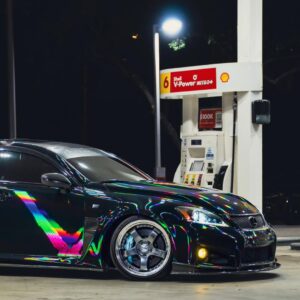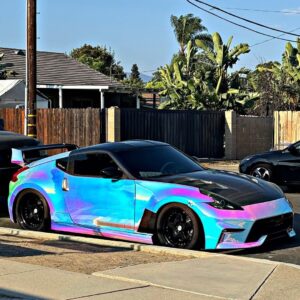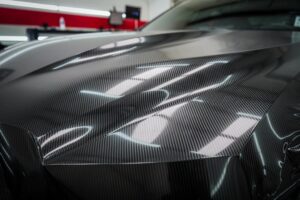
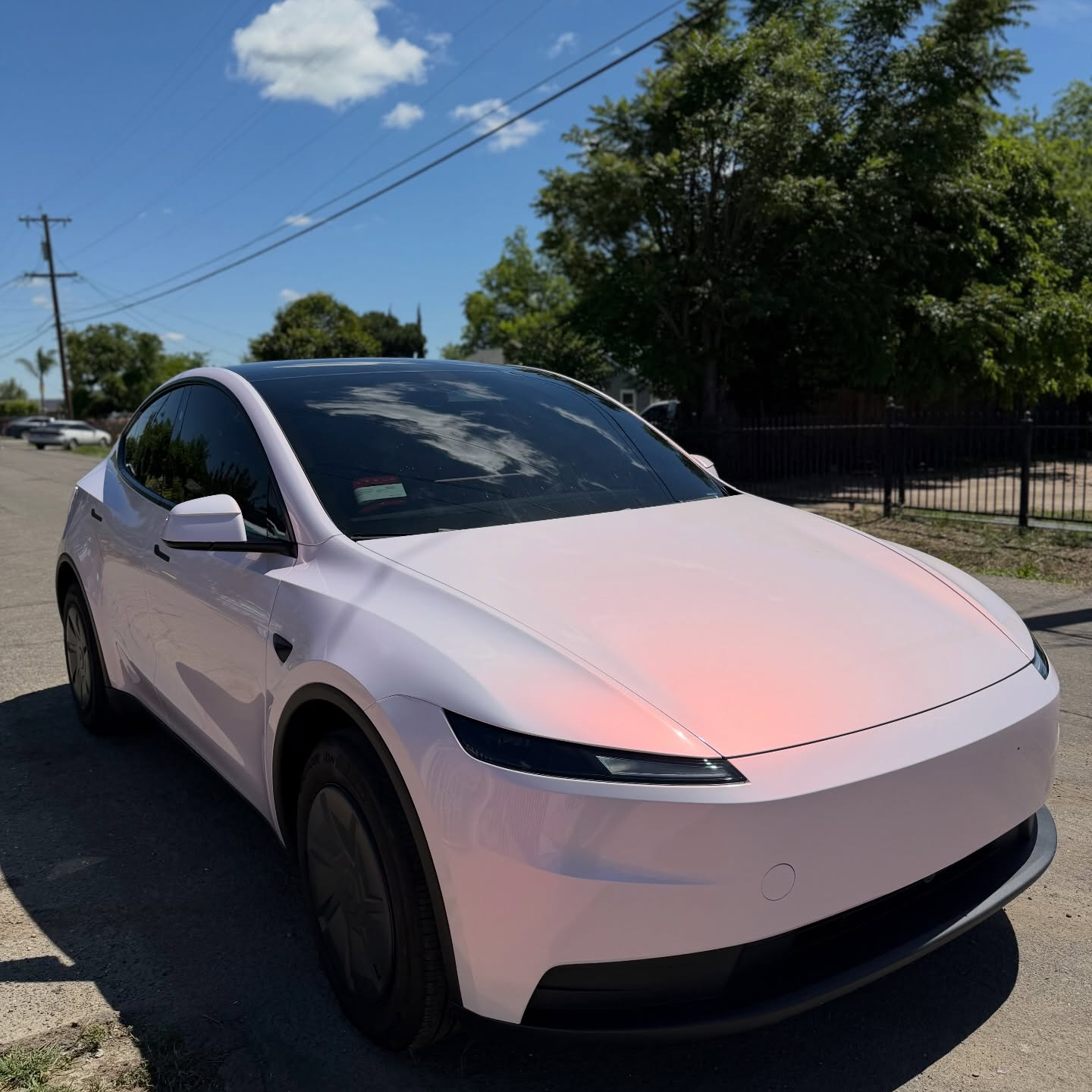
A car that looks deep purple from the front, flashes emerald green along its doors, and turns electric blue as it drives past is hard to ignore. That’s the appeal of a chameleon car wrap: one finish, multiple visual personalities.
But choosing a color-shifting wrap involves more than finding an attractive shade. The same film can look dramatically different on a curved sports car and a flat-sided SUV. Lighting, surface geometry, installation direction, and even the color of exposed trim can influence the final appearance.
If you’re considering a chameleon wrap car transformation, this guide explains how color-shifting vinyl works, which finishes suit different vehicles, and what to check before investing in a full wrap.
What Is a Chameleon Wrap Car?
A chameleon wrap car is a vehicle covered with specialized color-shifting vinyl film that appears to change between two or more colors depending on lighting conditions and viewing angles. Unlike conventional single-color vinyl, chameleon car wrap uses optical effects to create transitions such as purple-to-green, blue-to-white, or black-to-red without permanently repainting the vehicle.
The effect is visual rather than electronic: the wrap does not actively change color at the press of a button.
Chameleon finishes are also commonly called:
- Color shift car wrap
- Color flip vinyl wrap
- Iridescent car wrap
- Chameleon vinyl wrap
- Multi-color automotive wrap
At ALUKOVINYL, drivers can explore a variety of chameleon finishes designed for different styling preferences, from subtle pearlescent transitions to dramatic high-contrast color shifts.
How Does Chameleon Car Wrap Change Color?
The defining characteristic of a chameleon wrap is its angle-dependent appearance.
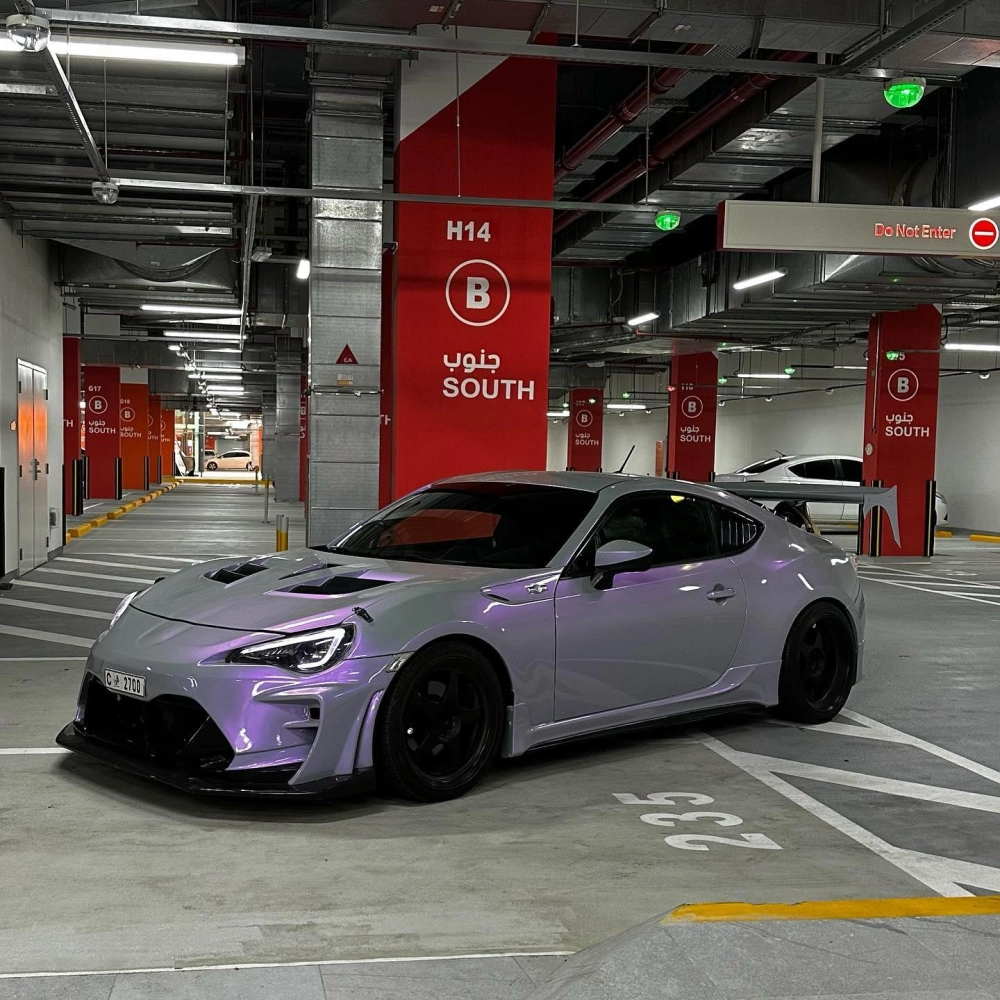
Depending on the film’s construction, specialized pigments or optical layers interact with incoming light to produce different reflected colors. As the relationship between the light source, vehicle surface, and observer changes, the visible color can shift.
Three Factors That Influence the Color-Shifting Effect
1. Lighting Conditions
Direct sunlight generally makes reflective highlights and color transitions more noticeable. Under cloudy skies, the same wrap may appear darker or less vibrant.
Artificial lighting can create different results depending on the light source’s intensity, direction, and color temperature.
2. Vehicle Body Shape
Curved body panels reflect light in multiple directions, often producing a more dramatic transition between colors.
This is why chameleon finishes can look particularly striking on sculpted fenders, rounded bumpers, and wide rear quarter panels.
3. Viewing Angle
A stationary chameleon-wrapped vehicle may display several shades simultaneously.
For example, a purple-green wrap might appear predominantly purple when viewed from the front but reveal green highlights along its sides.
Expert Insight: A chameleon wrap’s primary color is not necessarily the color you will see most often. Before purchasing, evaluate both its dominant shade and secondary reflections under the lighting conditions where you typically drive.
Popular Chameleon Car Wrap Colors: Which One Should You Choose?
Not every color-shifting wrap creates the same visual effect. Some deliver dramatic contrast, while others emphasize a refined, pearlescent appearance.
ALUKOVINYL offers multiple combinations in its Chameleon Car Wrap Collection.
1. Purple to Green Chameleon Wrap
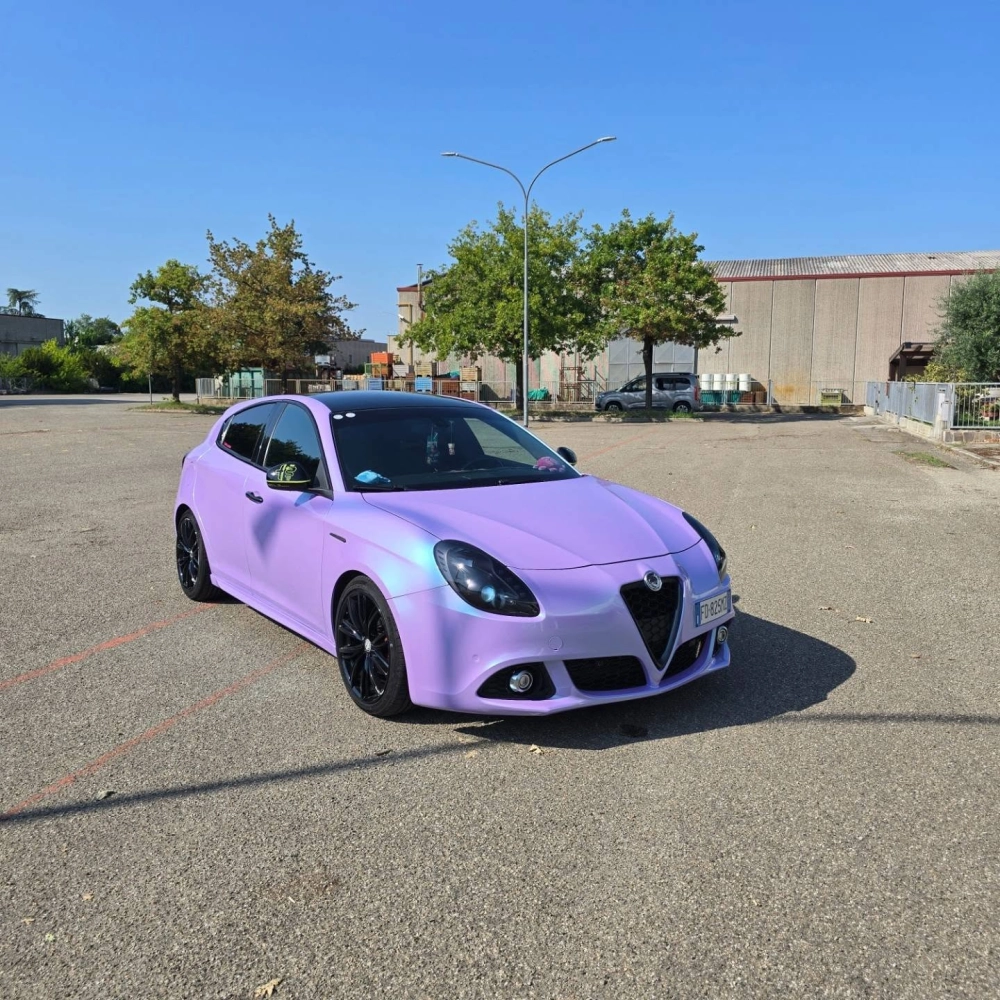
Purple-green combinations are among the most recognizable chameleon styles.
The contrast between cool purple and vivid green can produce an aggressive, futuristic appearance, especially on vehicles with pronounced body lines.
Best suited for: BMW M4, Nissan GT-R, Toyota Supra, and modified sports cars.
Styling recommendation: Black wheels, dark window trim, and minimal contrasting graphics help maintain a cohesive appearance.
2. Blue to Purple Chameleon Wrap
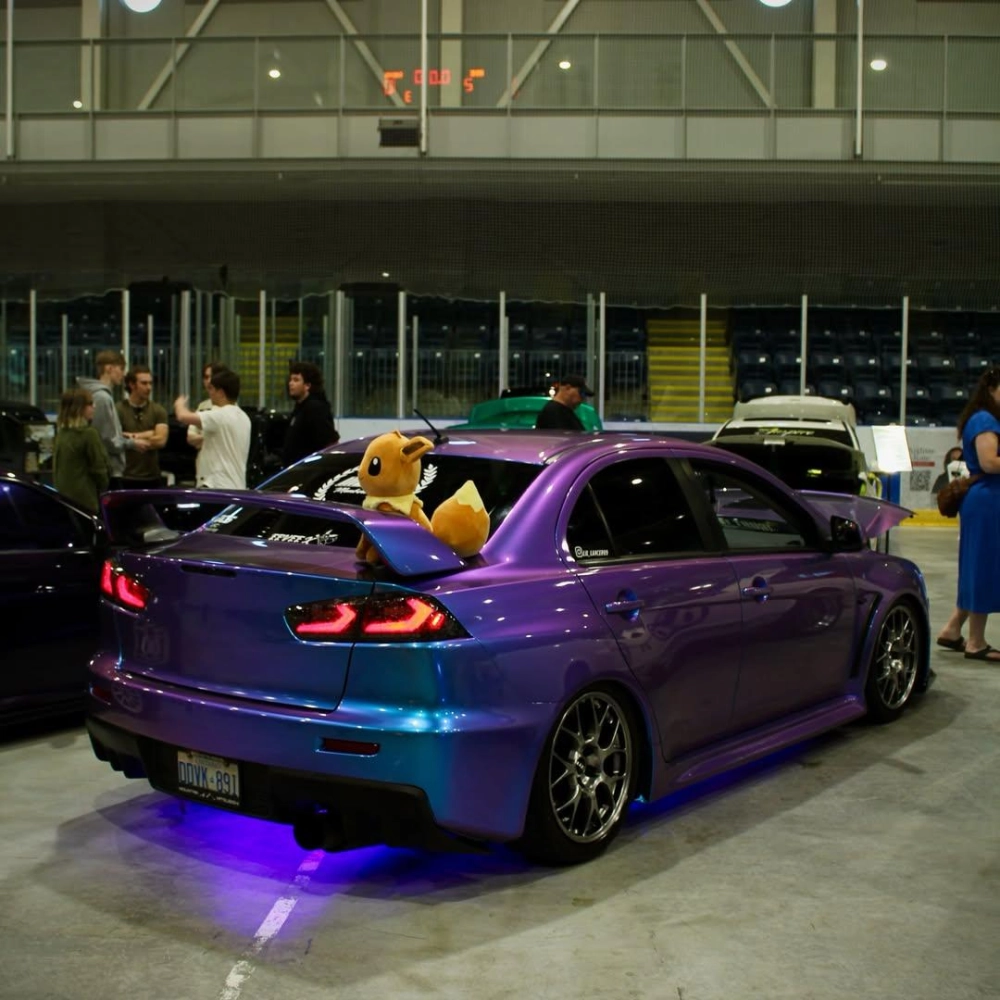
A blue-purple chameleon wrap creates a cooler, more sophisticated color transition.
Depending on the finish, it may look deep blue under one lighting condition and reveal violet or purple highlights from another angle.
Best suited for: Tesla Model 3, Porsche 911, Audi RS5, and Nissan 370Z.
Styling recommendation: Satin black accents and dark metallic wheels complement the cooler color palette.
3. Black to Red Chameleon Wrap
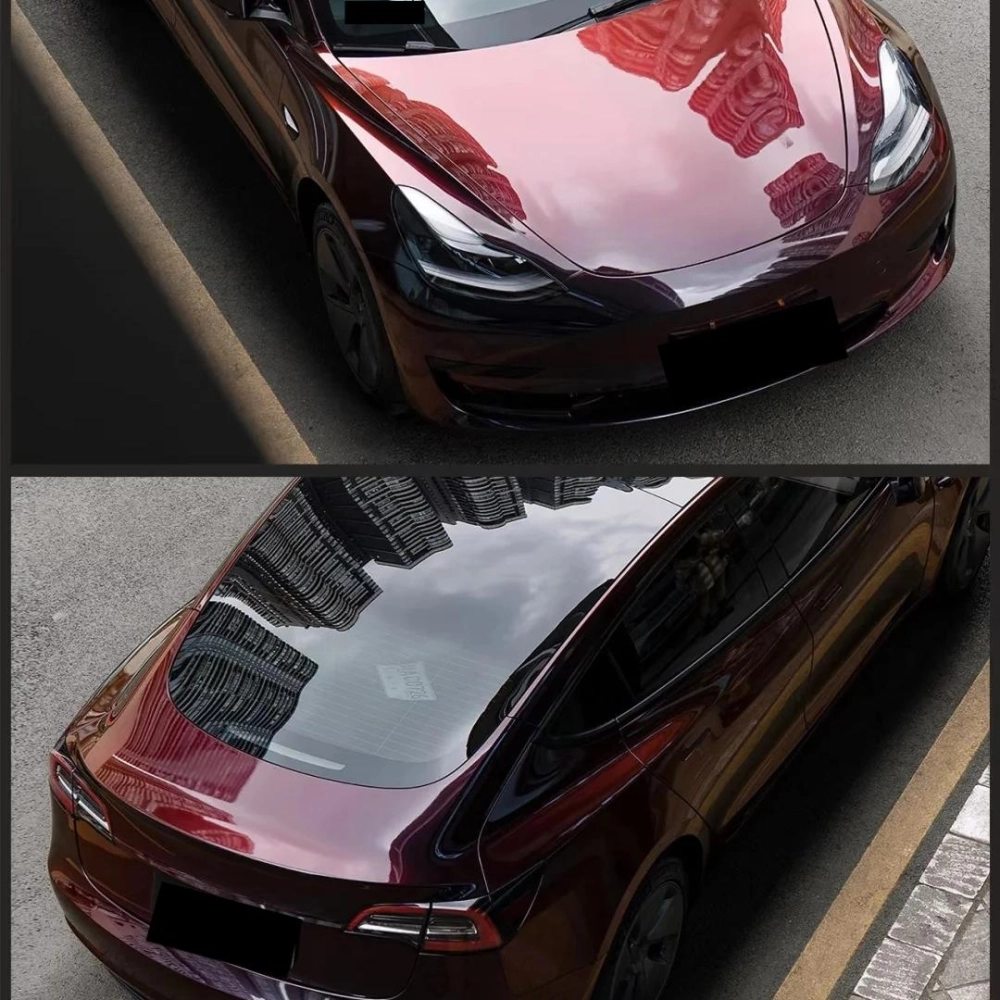
For drivers who prefer a darker vehicle with occasional flashes of color, black-red combinations offer an interesting alternative to traditional red wraps.
The base appearance may remain relatively dark, while selected angles reveal red reflections.
Best suited for: Dodge Challenger, Ford Mustang, Chevrolet Camaro, and Mercedes-AMG coupes.
Styling recommendation: Black wheels and subtle red brake-caliper accents can reinforce the performance-oriented appearance.
4. White to Pink Chameleon Wrap
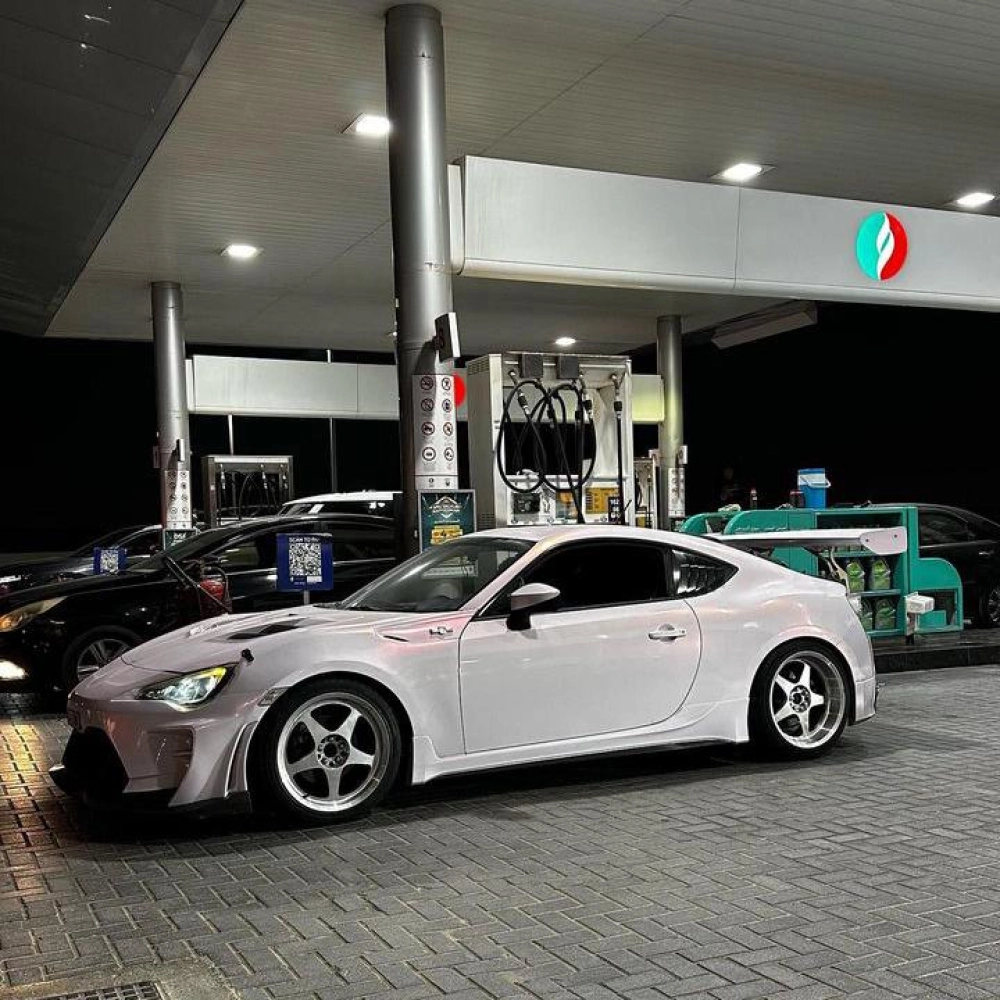
White-pink color-shifting films can create a softer, pearlescent look.
Instead of a high-contrast transition, the finish may emphasize delicate color reflections over a lighter base.
Best suited for: Tesla Model Y, Porsche Taycan, BMW 4 Series, and MINI Cooper.
Styling recommendation: Silver wheels, gloss black roof accents, and clean bodywork can enhance the elegant appearance.
5. Yellow to Purple Chameleon Wrap
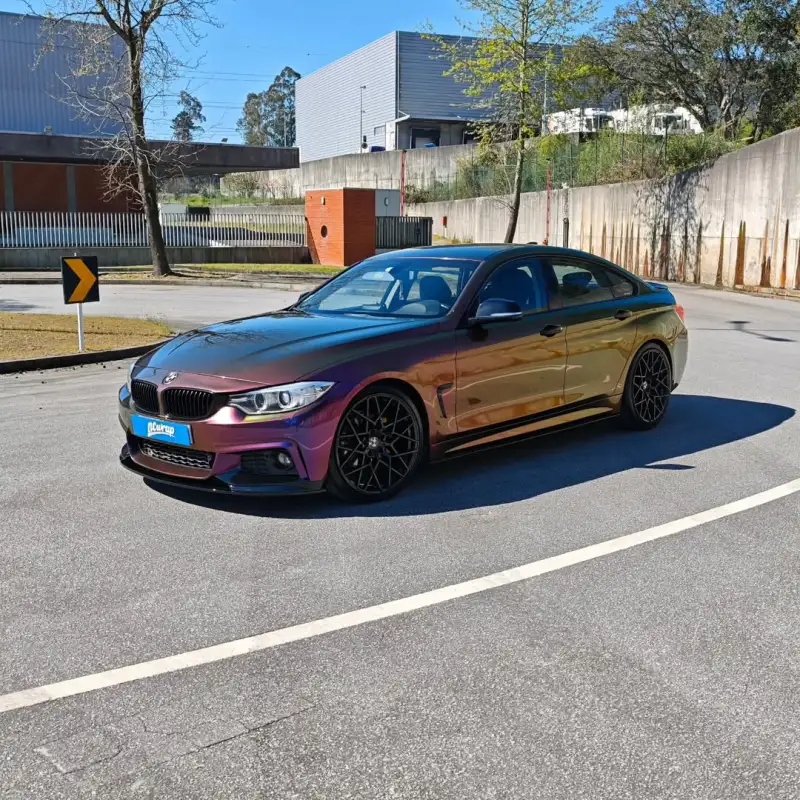
Yellow-purple combinations offer a highly expressive styling option.
Because the two colors contrast strongly, this type of wrap is particularly suitable for drivers seeking a distinctive show-car appearance.
Best suited for: Lamborghini Huracán, Toyota GR86, Nissan 350Z, and customized coupes.
Styling recommendation: Keep additional body graphics minimal to avoid competing with the color-changing effect.
Chameleon Color Comparison
| Chameleon Finish | Visual Character | Recommended Vehicle Style |
|---|---|---|
| Purple / Green | Bold and futuristic | Performance coupes |
| Blue / Purple | Cool and sophisticated | Sports cars and sedans |
| Black / Red | Dark and aggressive | Muscle cars |
| White / Pink | Soft and pearlescent | Luxury sedans and EVs |
| Yellow / Purple | Vibrant and expressive | Show cars and custom builds |
| Grey / Blue | Subtle and modern | Executive sedans and SUVs |
Buying Tip: Color names describe the intended appearance, not a guaranteed result under every light source. Always review physical samples before making a final decision.
Chameleon Wrap Car Pros and Cons
A chameleon wrap can deliver a distinctive visual transformation, but its advantages should be weighed against its installation and maintenance requirements.
Advantages of Chameleon Car Wrap
1. Multiple Colors in One Finish
A single wrap can display different colors across the vehicle, creating visual variety without requiring multiple separate films.
2. Highly Distinctive Appearance
Compared with conventional gloss black, white, or grey finishes, a chameleon wrap offers a less traditional aesthetic.
3. Reversible Vehicle Customization
When installed over suitable original paint and removed correctly within the film’s recommended service period, vinyl wraps can offer a reversible alternative to repainting.
4. Extensive Styling Possibilities
Chameleon films can be paired with gloss black roofs, carbon-fiber accents, contrasting wheels, or carefully selected trim finishes.
5. A Sacrificial Surface Layer
Vinyl can provide a barrier against some light surface contact and environmental contamination. However, ordinary color-change vinyl should not be considered equivalent to dedicated paint protection film.
Disadvantages of Chameleon Car Wrap
1. More Demanding Color Matching
Replacing a damaged panel may require careful attention to film orientation, production batch, and aging to achieve a consistent appearance.
2. Greater Installation Complexity
Directional color-shifting films can reveal inconsistencies if adjoining panels are installed in different orientations.
3. Appearance Depends on Lighting
A wrap that looks spectacular in direct sunlight may appear considerably darker in a garage or on an overcast day.
4. Specialized Finishes Require Careful Maintenance
Some reflective finishes make scratches, stains, or surface imperfections more noticeable.
5. Not Every Vehicle Benefits Equally
Large, flat body panels may display less dramatic color variation than sculpted sports-car surfaces.
Our Assessment: Chameleon wraps are particularly appealing to drivers who prioritize distinctive styling and enjoy changing visual effects. Buyers seeking a completely consistent color in every lighting condition may prefer a conventional gloss or satin finish.
Chameleon Wrap vs Regular Vinyl Wrap: What’s the Difference?
Both chameleon and traditional automotive vinyl wraps can change a vehicle’s appearance without permanently repainting it.
The main difference is how the finish interacts with light.
| Feature | Chameleon Car Wrap | Regular Color Vinyl Wrap |
|---|---|---|
| Color appearance | Changes with angle and lighting | Generally consistent base color |
| Visual complexity | High | Low to moderate |
| Styling options | Multi-color optical effects | Gloss, matte, satin, metallic and more |
| Installation | Directional alignment may be critical | Depends on finish and film |
| Panel replacement | Color matching can be more challenging | Often simpler with matching material |
| Maintenance | Finish-specific care required | Finish-specific care required |
| Best use | Unique custom styling | Everyday color changes and personalization |
Is Chameleon Wrap Better Than Metallic Wrap?
Neither finish is universally better.
A conventional metallic wrap uses reflective particles to add depth and sparkle while generally maintaining the same underlying color.
A chameleon wrap is designed to produce a more noticeable shift between different hues.
Choose a metallic wrap if you want enhanced depth without dramatic color changes.
Choose a chameleon wrap if you want the vehicle’s appearance to vary as the viewing angle changes.
For additional finishes and styling options, explore the ALUKOVINYL car wrap collection.
Chameleon Wrap vs 3M and Avery Dennison: What Should Buyers Compare?
Recognized automotive film manufacturers such as 3M and Avery Dennison provide useful technical benchmarks for evaluating vehicle wraps.
However, performance depends on the specific product series, not simply the brand name.
3M Wrap Film Series 2080
3M offers vehicle wrapping films in multiple colors and finishes, including color-flip options.
Its Wrap Film Series 2080 uses Controltac and Comply adhesive technologies designed to support repositioning and air release during installation.
3M also publishes product-specific installation guidance and warranty information.
Avery Dennison Supreme Wrapping Film
Avery Dennison’s Supreme Wrapping Film range is another established reference point in the automotive wrapping market.
Its Easy Apply RS adhesive technology is designed to support positioning and application.
As with 3M, buyers should check the exact film specification, finish availability, installation requirements, and warranty terms.
ALUKOVINYL Chameleon Wrap Collection
ALUKOVINYL focuses on providing a broad selection of decorative automotive wrap colors, including distinctive chameleon combinations.
Its collection includes purple-green, blue-purple, black-red, pink-white, and other color-shifting options.
For buyers comparing these suppliers, the most meaningful criteria include:
- Available color combinations and finish types
- Film construction and thickness
- Adhesive properties and installation requirements
- Color consistency between production batches
- Expected service life and warranty conditions
- Total material and installation cost
Important: A published warranty for one manufacturer’s product should not be applied to another brand’s film. Request the relevant technical specifications and warranty information for the exact material you intend to purchase.
Best Cars for Chameleon Wrap: 6 Vehicle Styling Examples
Vehicle geometry can significantly influence the appearance of a chameleon finish.
The following examples are styling recommendations, not claims of completed customer installations.
1. BMW M4 — Purple Green Chameleon Wrap
The BMW M4 features muscular rear arches, pronounced side surfaces, and an aggressive front-end design.
A purple-green chameleon finish can emphasize these contours, creating different reflections across the doors, hood, and quarter panels.
Recommended combination: Purple-green body wrap, gloss black roof, and dark wheels.
Why it works: The M4’s sculpted surfaces provide multiple angles for light reflection.
2. Tesla Model 3 — Blue Purple Chameleon Wrap
The Tesla Model 3 has smooth body panels and a minimalist exterior design.
A blue-purple chameleon finish can add visual complexity without requiring additional body graphics.
Recommended combination: Blue-purple body wrap with black window trim and dark aerodynamic wheels.
Why it works: The clean exterior allows the color-shifting effect to become the main styling feature.
3. Porsche 911 — Pearl White Pink Chameleon Wrap
The Porsche 911’s rounded front fenders and flowing rear bodywork make it an interesting candidate for subtle pearlescent finishes.
A white-pink chameleon wrap can create a refined appearance with gentle color transitions.
Recommended combination: Pearl white-pink body wrap, silver wheels, and minimal contrasting accents.
Why it works: Curved surfaces create varied reflection angles without requiring extreme color contrast.
4. Ford Mustang — Black Red Chameleon Wrap
The Ford Mustang’s long hood, wide stance, and muscular styling complement darker color combinations.
A black-red chameleon wrap can maintain a relatively understated appearance in some conditions while revealing red highlights under directional lighting.
Recommended combination: Black-red body wrap, black wheels, and subtle red accents.
Why it works: The dark finish reinforces the Mustang’s aggressive design.
5. Nissan GT-R — Blue Purple Chameleon Wrap
The Nissan GT-R combines sharp front styling with broad fenders and a distinctive rear profile.
A blue-purple chameleon wrap can highlight these features, particularly where curved panels meet angular body lines.
Recommended combination: Blue-purple wrap, carbon-look accents, and dark metallic wheels.
Why it works: Different body surfaces can reveal contrasting hues simultaneously.
6. Toyota Supra — Yellow Purple Chameleon Wrap
The modern Toyota Supra features sculpted side panels and pronounced wheel arches.
A yellow-purple chameleon finish can produce a dramatic custom appearance suitable for enthusiast builds.
Recommended combination: Yellow-purple wrap with black wheels and restrained exterior accessories.
Why it works: The Supra’s flowing surfaces create opportunities for pronounced color transitions.
Which Body Shapes Display Chameleon Colors Best?
As a practical design guideline, vehicles with curved fenders, sculpted doors, and contrasting panel angles tend to reveal more simultaneous color variation.
Flat-sided vehicles can still look impressive, but their appearance may change more noticeably as the vehicle moves relative to the light source.
This distinction matters when comparing product photographs taken on different vehicle models.
How Much Does a Chameleon Car Wrap Cost?
The total cost of a chameleon wrap depends on the material, vehicle size, installation complexity, and local labor rates.
Rather than relying on a universal price estimate, separate the project into three cost categories.
1. Vinyl Material
The quantity required depends on vehicle dimensions, roll width, panel layout, and installation waste.
For example, a compact coupe typically requires less material than a large SUV or pickup truck.
Directional film layouts may also increase material requirements.
2. Installation Labor
Professional installation costs vary according to:
- Vehicle size and body complexity
- Number of bumpers, spoilers, and recessed areas
- Surface preparation requirements
- Whether door jambs are included
- Installer experience with color-shifting materials
3. Additional Customization
Roof accents, trim wrapping, interior details, and complex panel removal can increase the final project cost.
Cost-Saving Tip: Before ordering a full roll, confirm the vehicle’s measurements and ask your installer how much extra material is needed for directional alignment, trimming, and possible rework.
A lower material price does not automatically mean a lower completed installation cost.
How to Install Chameleon Car Wrap Correctly
A successful installation requires careful preparation and consistent handling.
Step 1: Inspect the Paint Surface
Check for peeling clear coat, rust, damaged paint, and previous repairs.
Wrapping over unstable paint can create adhesion problems and increase the risk of damage during removal.
Step 2: Clean and Prepare the Vehicle
Remove dirt, grease, wax residue, and other contaminants using products compatible with the film manufacturer’s preparation instructions.
The surface must be clean and dry before installation.
Step 3: Check Film Direction
This is one of the most important steps for color-shifting materials.
Some chameleon films have a directional appearance, meaning rotating a panel can change how its color looks relative to adjacent panels.
3M’s Wrap Film Series 2080 technical guidance specifically recommends consistent orientation for directional metallic, pearl, and color-flip films.
Step 4: Plan the Panel Layout
Before cutting, establish a consistent film direction across the vehicle.
Mark orientation on the backing liner where appropriate and verify color consistency before installation.
Step 5: Apply Heat Carefully
Use the temperature and stretching limits specified for the particular film.
Excessive heat or stretching can distort the appearance, weaken adhesion, or cause premature lifting.
Step 6: Finish Edges and Inspect
Pay particular attention to panel edges, recessed areas, bumpers, and other complex surfaces.
Complete post-heating where required by the manufacturer and inspect the finished vehicle under multiple lighting conditions.
Professional Installation Insight: With chameleon films, matching the color across adjacent panels can be just as important as achieving a smooth, bubble-free surface.
How Long Does Chameleon Car Wrap Last?
There is no single lifespan that applies to every chameleon vinyl wrap.
Actual durability depends on:
- Film construction and manufacturing quality
- Exposure to ultraviolet radiation
- Local climate and temperature
- Horizontal versus vertical installation surfaces
- Cleaning frequency and maintenance methods
- Installation quality
- Storage conditions
For reference, 3M publishes warranty terms for its Wrap Film Series 2080, including up to eight years for certain vertical applications and up to three years for horizontal exposure, subject to product and warranty conditions.
These figures are 3M-specific warranty references, not an estimated lifespan or warranty promise for ALUKOVINYL chameleon products.
For any film, request the applicable product-specific durability and warranty information before purchase.
Does Chameleon Wrap Fade in the Sun?
Like other exterior automotive films, chameleon wraps can experience appearance changes with prolonged exposure to sunlight and environmental conditions.
The rate of change varies by material and usage.
Regular cleaning, avoiding unnecessary chemical exposure, and parking under cover when practical may help maintain the finish.
Chameleon Car Wrap Maintenance: How to Preserve the Color Shift
A clean surface allows the film’s intended reflective appearance to remain visible.
Recommended Maintenance Practices
Wash gently. Use a mild, film-compatible automotive cleaning solution and a soft microfiber wash mitt.
Avoid abrasive tools. Stiff brushes, polishing compounds, and abrasive pads can damage the film’s surface.
Remove contamination promptly. Bird droppings, insects, and other contaminants should be cleaned according to the manufacturer’s instructions.
Dry after washing. Use a clean microfiber towel to reduce water spotting.
Protect film edges. Avoid directing high-pressure water at seams and exposed edges.
Use compatible care products. Not every polish, wax, or ceramic coating is suitable for every chameleon finish.
For general reference, 3M recommends careful hand washing or suitable brushless cleaning methods for its automotive wrap films.
Always follow the care instructions supplied with your specific film.
Is a Chameleon Wrap Car Worth It?
A chameleon car wrap is worth considering if your main goal is to create a distinctive appearance that changes naturally with lighting and viewing angle.
It is especially appealing for:
- Automotive enthusiasts building personalized vehicles
- Drivers who enjoy bold exterior styling
- Show cars and exhibition vehicles
- Sports-car owners seeking a unique finish
- Owners who want a reversible alternative to custom color-shifting paint
However, chameleon vinyl may not be the best choice for everyone.
If you prefer a uniform color, straightforward panel replacement, or minimal visual variation, a conventional gloss, satin, or metallic wrap may be more suitable.
Our Recommendation
Choose the finish based on how you want the vehicle to look during everyday driving, not only in promotional photography.
A dark chameleon wrap may look subtle in shaded parking areas but dramatic in sunlight. A bright color-shifting film may produce a much more noticeable effect throughout the day.
Neither is inherently better; the right choice depends on your personal styling goals.
Frequently Asked Questions About Chameleon Wrap Car
1. What is a chameleon wrap car?
A chameleon wrap car is a vehicle covered with color-shifting vinyl film that appears to display different colors depending on the lighting and viewing angle. The effect is created by the film’s optical properties rather than electronic color-changing technology.
2. Is chameleon car wrap legal?
Vehicle wrapping is generally permitted in many jurisdictions, but regulations vary. Some locations require updates to vehicle color registration information, and certain highly reflective finishes may be restricted. Check local rules before installation.
3. Does chameleon wrap damage original car paint?
Properly installed and removed automotive vinyl generally presents a lower risk to sound factory paint than to damaged, poorly repaired, or peeling paint. Removal can still cause damage, particularly when the underlying finish is compromised.
4. Can I wash a chameleon-wrapped car?
Yes. Gentle hand washing with a suitable automotive cleaner is generally recommended. Avoid abrasive brushes and harsh chemicals, and follow the film manufacturer’s care instructions.
5. Can chameleon wrap be installed on any car?
Chameleon vinyl can be applied to many passenger cars, SUVs, trucks, and motorcycles when the surface is suitable and the film meets the installation requirements. Complex body shapes may require additional material and professional installation expertise.
6. Is chameleon wrap more expensive than regular vinyl?
It can be, depending on the material and finish. Specialized color-shifting films may cost more than basic solid-color vinyl, and directional installation requirements can increase labor or material waste.
7. What is the best chameleon wrap color?
There is no universally best color. Purple-green and blue-purple finishes suit drivers seeking noticeable transitions, while white-pink and grey-blue combinations may appeal to those who prefer subtler effects.
8. Can I remove a chameleon wrap later?
Yes. Chameleon vinyl is generally removable, but the ease and safety of removal depend on the film, adhesive, installation age, and underlying paint condition. Professional removal is recommended, especially for older installations.
9. Does chameleon wrap protect against scratches?
Vinyl can help shield the paint from some minor surface contact, but it does not provide the same impact protection as purpose-designed paint protection film. Do not rely on ordinary color-change vinyl to prevent stone-chip damage.
10. Why does my chameleon wrap look different from online photos?
Lighting direction, camera exposure, white balance, editing, body curvature, and viewing angle can all affect how the finish appears. A physical sample viewed outdoors is more reliable than a single product photograph.
11. Is chameleon wrap the same as a holographic wrap?
Not necessarily. Chameleon wraps are primarily designed around angle-dependent color shifts. Holographic wraps may produce rainbow-like or diffraction-based visual effects. Some products combine these characteristics, but the terms are not interchangeable.
12. Can a chameleon wrap be applied over a damaged paint surface?
Wrapping over peeling paint, rust, or unstable clear coat is not recommended. These conditions can reduce adhesion, make surface defects visible, and increase the risk of paint damage during removal.
Explore Chameleon Car Wrap Colors at ALUKOVINYL
A chameleon wrap transforms more than the color of a vehicle. It changes how the bodywork interacts with light, giving the same car different visual characteristics throughout the day.
From dramatic purple-green transitions to refined pearlescent white-pink finishes, the right combination can complement your vehicle’s proportions and reflect your personal style.
At ALUKOVINYL, we offer a diverse selection of chameleon automotive vinyl finishes for drivers who want something beyond conventional single-color wraps.