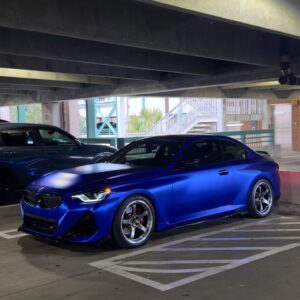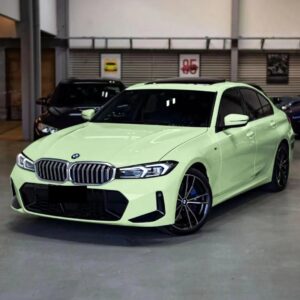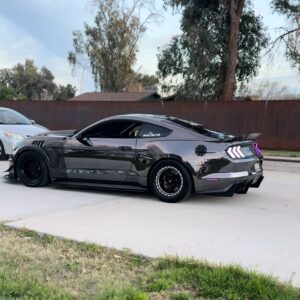
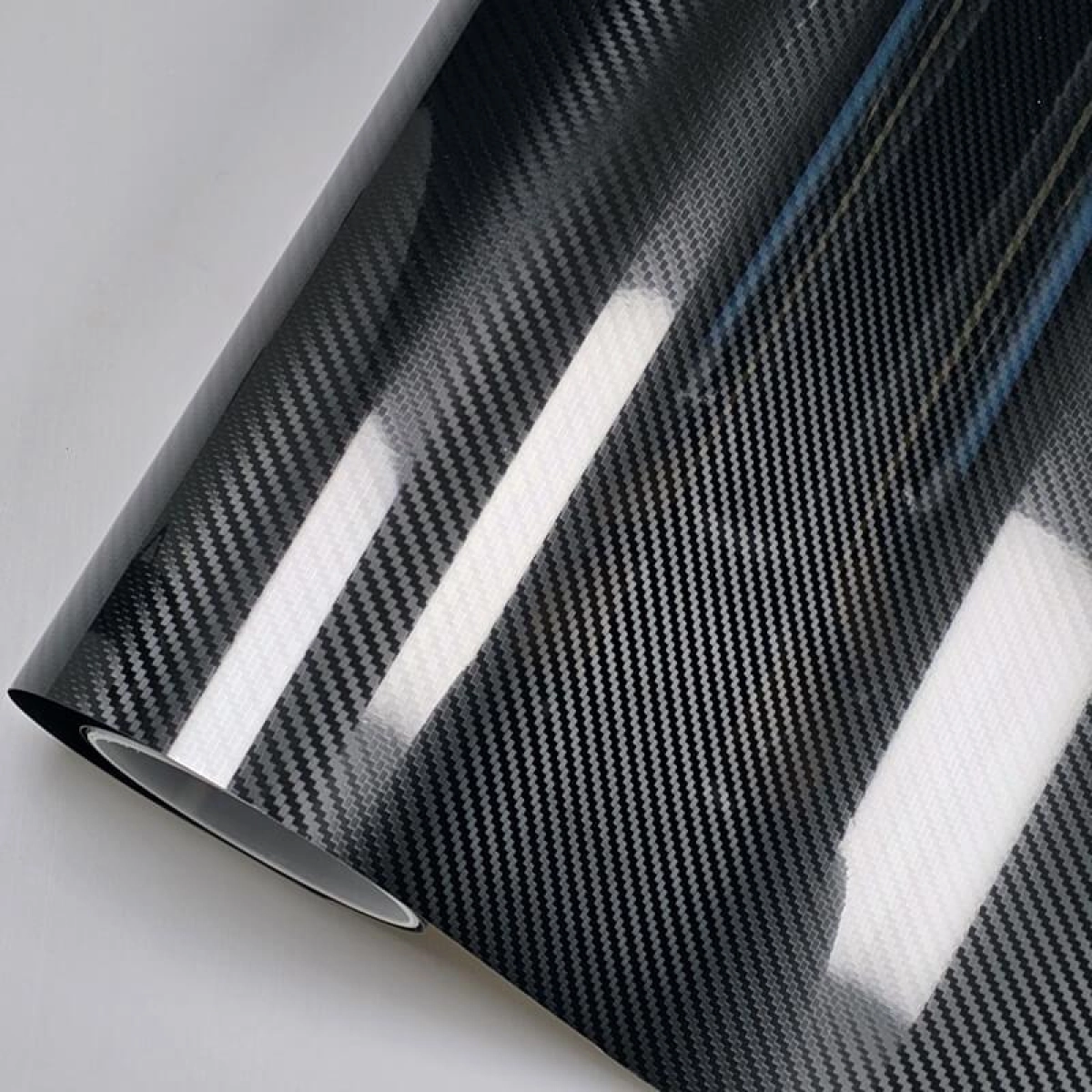
Protecting a vehicle’s finish is no longer just about keeping the paint shiny. Today’s drivers want stronger impact resistance, lower maintenance, and a finish that still looks premium years later. That is why the discussion around carbon fibre ppf has become more important than ever. While waxes, sealants, ceramic coatings, and standard clear films still have a place, carbon-fiber-textured paint protection film is quickly becoming the smarter option for owners who want both protection and visual impact.
What Makes Carbon Fibre PPF Different?
Traditional paint protection methods usually fall into two categories: surface coatings and basic protective films. Coatings can improve gloss and chemical resistance, but they do not offer the same physical barrier against chips, scratches, and road debris. Standard film products improve impact resistance, but many buyers now want more than invisible coverage. They want a finish upgrade too.
That is where carbon fibre PPF stands apart. It combines the core advantages of premium TPU-based protection film—such as scratch resistance, self-healing behavior, and UV defense—with a carbon-fiber-inspired surface appearance. Instead of forcing owners to choose between style and protection, it delivers both in one layer. For performance builds, premium daily drivers, and custom projects, that combination creates a stronger value proposition than old-school paint protection alone.
If your goal is full customization rather than a single accent area, it also helps to compare carbon-style film against a broader car wrap strategy and more conventional ppf wrap solutions before deciding.
Carbon Fibre PPF vs. Traditional Protection: The Real Comparison
1. Impact Resistance
The biggest weakness of traditional coatings is that they do not create a substantial sacrificial layer against stone chips or road rash. They may help with washing, gloss, and light chemical contamination, but they are not engineered to absorb the kind of impact that damages paint on highways and urban roads.
Carbon fibre PPF, especially when built on a TPU construction, is designed to take that abuse. It acts as a physical shield between the paint and the environment. For front bumpers, hoods, mirror caps, rocker panels, and trunk ledges, that difference matters immediately.
2. Self-Healing Performance
Modern premium films have moved far beyond the clear bras of the past. One of the strongest reasons to choose carbon fibre PPF is self-healing capability. Minor swirls and light surface marks can relax with heat, helping the finish maintain a cleaner appearance over time. Traditional protection methods simply cannot match that functionality in the same way.
3. Aesthetics and Customization
Traditional protection is often visually neutral. That may be ideal for some owners, but others want their investment to do more than preserve the original paint. Carbon fibre PPF introduces a motorsport-inspired finish that creates a premium, technical look without requiring permanent paint changes. This makes it especially attractive for owners who want a sportier appearance on roofs, spoilers, mirror caps, hood sections, or other statement panels.
For buyers who want more styling choices, color ppf can expand the visual range further while still offering the protection benefits that ordinary wraps typically do not provide.
4. Maintenance and Long-Term Appearance
Traditional waxes and sealants require frequent refreshing. Even ceramic coatings, while highly effective in some areas, cannot stop every chip or abrasion. Once paint is damaged, repair costs rise fast and color matching can become an issue.
Carbon fibre PPF is easier to justify as a long-term investment because it is designed to preserve both appearance and resale confidence. Instead of treating defects after they happen, you are reducing the chance that they appear in the first place.
Brand Comparison Table: How Key Players Position Their PPF Offerings
The market has become more competitive, so buyers should compare not only price, but also substrate quality, self-healing behavior, UV resistance, finish options, and brand positioning.
| Brand | Core Positioning | Material / Structure | Notable Claimed Benefits | Best For |
|---|---|---|---|---|
| ALUKOVINYL | Protection + design flexibility | TPU-based PPF and carbon-style options | Self-healing, UV/weather resistance, clarity, carbon-fiber styling | Shops and drivers wanting value, protection, and a custom look |
| 3M | Mainstream premium protection | Paint Protection Film Series / Pro Series | Self-healing, stain resistance, weathering defense, 10-year warranty on referenced warranty card | Owners prioritizing established brand recognition |
| Tinybot | Color and specialty-finish PPF | TPU-based PPF collections | Heat-activated self-healing, UV resistance, durable finish options including carbon-look styles | Customization-first buyers |
| TeckWrap | TPU-focused performance positioning | TPU PPF and color PPF | Self-healing, stone-chip defense, fade resistance, style-forward finishes | Drivers balancing protection and bold styling |
| Inozetek | High-gloss premium styling | Gloss and dynamic TPU PPF lines | Hydrophobic topcoat, self-healing, scratch resistance, impact defense, color-infused options | Premium appearance builds and show-focused vehicles |
Why Carbon Fibre PPF Often Delivers Better ROI
When people compare options, they often focus too heavily on initial price and not enough on replacement risk, repaint cost, downtime, and aesthetic lifespan. That is where carbon fibre PPF frequently wins.
- It reduces repaint exposure: rock chips and abrasion are among the most expensive avoidable cosmetic issues on modern vehicles.
- It protects while upgrading the look: traditional clear protection may preserve value, but carbon fibre PPF can preserve value and improve visual appeal at the same time.
- It lowers cosmetic maintenance stress: self-healing surfaces help the car stay cleaner-looking between details.
- It offers reversible customization: unlike paint modification, film can be removed when preferences change.
For many owners, that means the premium is easier to justify because the film is serving two functions at once: appearance enhancement and impact protection.
Where Traditional Paint Protection Still Makes Sense
To be fair, traditional methods are not obsolete. A ceramic coating, for example, can still be an excellent choice for drivers who mainly want easier cleaning and stronger chemical resistance. Basic clear protection may also suit owners who prefer zero visual change. If the vehicle sees limited mileage and low-impact use, a simpler solution may be enough.
But once you move into higher-value vehicles, enthusiast builds, commercial fleets, or heavily driven daily cars, the case for carbon fibre PPF becomes much stronger. The combination of visual identity and physical shielding is hard for older solutions to beat.
How to Choose the Right Film for Your Vehicle
Start by identifying your goal. If you want invisible preservation, a clear premium PPF may be the right answer. If you want a dramatic finish transformation with real surface protection, carbon fibre PPF deserves a serious look. If you want broader styling variety, compare matte, satin, metallic, and color-infused films alongside your chosen application areas.
Also consider:
- Driving conditions and road debris exposure
- Whether the car is a daily driver, luxury vehicle, or performance build
- The importance of self-healing and easier maintenance
- Whether you want accent coverage or a full-body restyle
In many cases, the most efficient strategy is combining clear protection in the highest-impact zones with carbon-style film on selected visual panels.
Final Verdict
So, which option delivers superior results for your investment? In most modern use cases, carbon fibre PPF offers the stronger overall value. It outperforms traditional paint protection in impact resistance, adds self-healing functionality, reduces cosmetic wear stress, and creates a premium finish that standard protection methods cannot replicate.
For owners who want protection only, traditional options still have their place. But for owners who want protection plus presence, carbon fibre PPF is the more complete solution. It is not simply a styling upgrade. It is a smarter, dual-purpose investment for vehicles that deserve to look better and stay protected longer.
To explore current product options and decide which finish best matches your build, review ALUKOVINYL’s ppf wrap collection and its dedicated carbon-fiber product pages.
Authoritative Industry References
For buyers comparing the broader market, it is useful to review how major suppliers describe their own current film technologies and positioning, including 3M, Tinybot, TeckWrap, and Inozetek. Comparing these brands side by side can help installers and end users identify the right balance of finish, protection, and value.
FAQ
Is carbon fibre PPF better than ceramic coating?
For physical protection against chips and abrasions, yes. Ceramic coating is useful for gloss and easier cleaning, but it does not create the same sacrificial barrier as TPU-based PPF.
Does carbon fibre PPF really self-heal?
Premium TPU-based versions are designed to reduce the visibility of minor surface marks when exposed to heat. The exact performance depends on film construction and installation quality.
Is carbon fibre PPF only for sports cars?
No. It is equally useful on luxury cars, premium SUVs, high-mileage commuters, and custom builds where owners want both paint defense and a stronger visual identity.