If you have ever looked at stone chips on a hood, light scratches around the door handles, or fading caused by UV exposure, you have probably asked the same question many vehicle owners ask: is PPF worth it? In most cases, the answer depends on how long you plan to keep the car, how much you value appearance, and whether you want to avoid costly paint correction or repainting later.
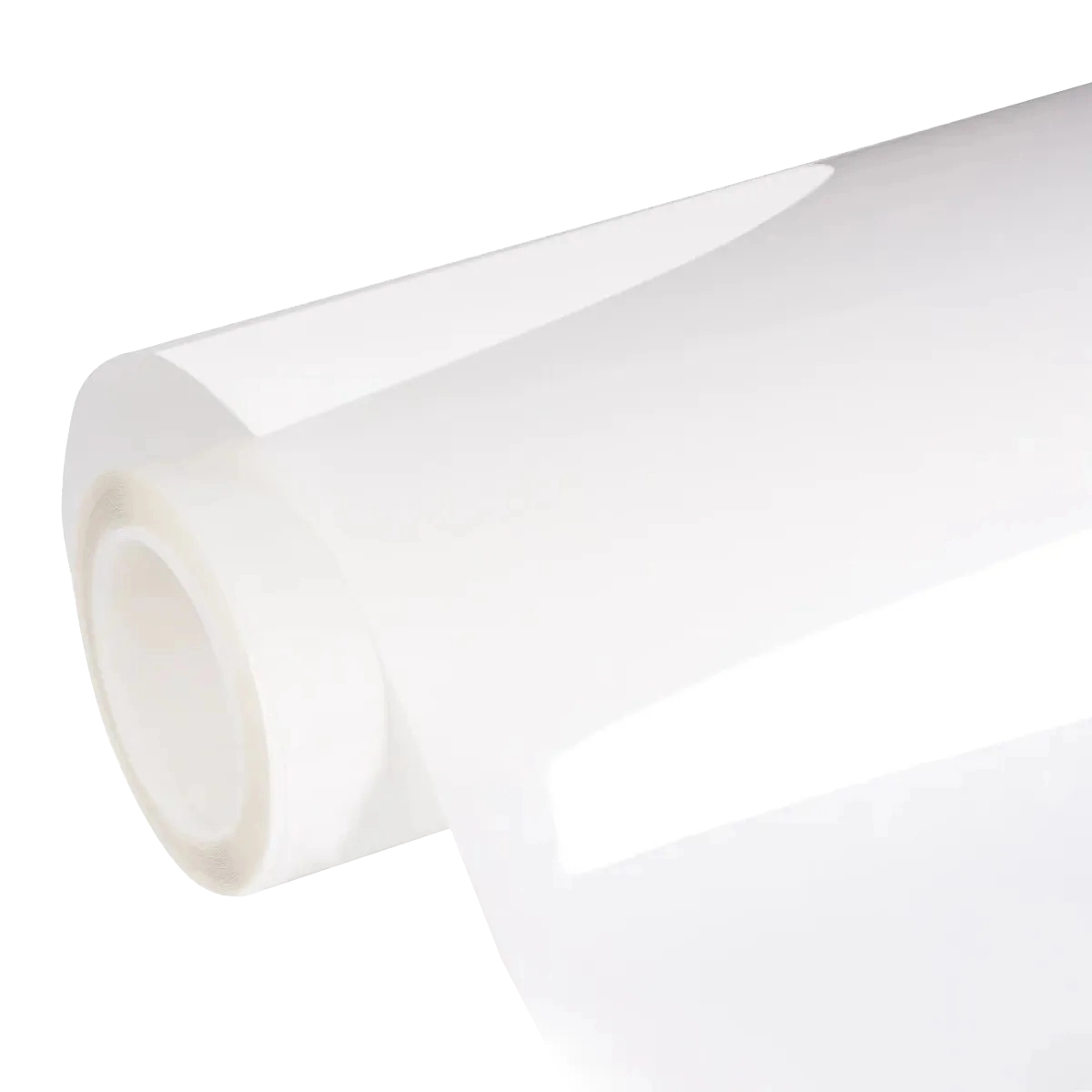
Paint Protection Film, or PPF, is a transparent or colored polyurethane-based protective layer applied over painted surfaces. Modern TPU-based films are engineered to absorb light impacts, resist staining, and in many cases self-heal minor swirls with heat. That combination has made PPF one of the fastest-growing protection categories in automotive restyling.
Why More Drivers Are Choosing PPF in 2026 and Beyond
Market demand supports the idea that PPF is no longer a niche luxury upgrade. According to a recent industry report by Fortune Business Insights, the global paint protection film market is projected to grow from USD 670.09 million in 2026 to USD 1,086.07 million by 2034. A separate Grand View Research report estimated the market at USD 502.55 million in 2024 and forecast growth to USD 726.63 million by 2030. That momentum reflects a simple reality: more owners see protective film as a practical asset, not just a cosmetic add-on.
For drivers comparing options, ALUKO offers solutions across standard protection and appearance customization, from car wrap solutions to high-performance tpu wrap products, advanced tpu color wrap finishes, and invisible clear ppf for factory-look protection.
The Real Benefits of PPF
1. Protection from daily damage
The most obvious value of PPF is impact and abrasion resistance. Road debris, gravel, bug splatter, bird droppings, tar, and minor parking-lot contact all wear away at factory paint over time. A quality film acts as the sacrificial layer, taking abuse so the original finish does not have to.
2. Better appearance retention
High-end films help preserve gloss and clarity while reducing visible swirl marks and fine scratches. On many TPU films, heat from sunlight or warm water can soften away light surface marring, which means the vehicle looks cleaner for longer with less polishing.
3. Lower long-term paint correction costs
While PPF requires an upfront investment, it can reduce future expenses tied to chip repair, paint correction, panel repainting, or aggressive detailing. For owners who keep a vehicle for years, that long-term protection often becomes the real return on investment.
4. Stronger resale appeal
Buyers notice clean paint. A vehicle with fewer chips, fewer scratches, and better-preserved original finish may inspire more confidence in the used market. That does not mean PPF always returns its full cost at resale, but it can absolutely help maintain perceived vehicle quality.
5. More styling flexibility
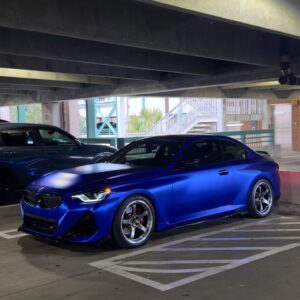
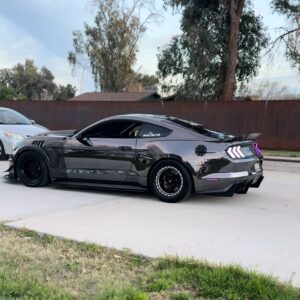
Today, PPF is not just clear. Newer TPU color films make it possible to combine protection and personalization in one product. That matters for owners who want a fresh look without giving up durability.
When Is PPF Most Worth It?
- New vehicles: It is easier and more effective to protect paint before damage begins.
- Luxury and performance cars: Higher-value paintwork usually justifies premium protection.
- Highway commuters: More miles usually means more rock chips and road rash.
- Leased or resale-conscious owners: Better paint condition can support stronger vehicle presentation later.
- Collectors and enthusiasts: PPF helps preserve finish quality on low-mileage or show-oriented vehicles.
When PPF May Not Be the Best Fit
PPF may be less compelling if the vehicle is already heavily worn, if you plan to sell it very soon, or if your budget is extremely limited. In those cases, a simpler cosmetic solution may be enough. But for most owners who care about long-term paint preservation, PPF remains one of the most practical upgrades in the aftermarket.
Brand Comparison: ALUKO vs. Other Popular PPF Brands
The table below compares ALUKO with several well-known market options based on publicly visible product positioning, category focus, and buyer fit from their official sites.
| Brand | Public Positioning | Notable Strength | Best For | Official Link |
|---|---|---|---|---|
| ALUKO | TPU-based paint protection and color-focused solutions | Balanced mix of clear protection, colored TPU options, self-healing, and wholesale-friendly product coverage | Drivers, installers, and distributors seeking value plus broad application choices | ALUKO Paint Protection Film |
| 3M | Global premium film ecosystem with protection and wrap technologies | Strong brand reputation and expanding protection-wrap crossover lineup | Buyers prioritizing brand familiarity and installer network | 3M |
| Tinybot | Style-forward PPF and colored protection products | Strong emphasis on TPU, color variety, and visible consumer-facing warranty messaging | Owners wanting bold looks with protective performance | Tinybot |
| TeckWrap | Accessible PPF portfolio with multiple material options | Broad catalog and price-conscious appeal | Shoppers comparing entry-to-mid-market protection options | TeckWrap |
| Inozetek | Premium appearance-driven colored PPF | Strong design and finish positioning with dealer-oriented presentation | Drivers focused on visual transformation plus protection | Inozetek |
Why ALUKO Delivers Strong Value
ALUKO stands out because it addresses the two biggest reasons people buy film in the first place: protection and customization. Its product lineup makes it easier for customers to choose between invisible protection and appearance upgrades without leaving the same ecosystem.
If your priority is preserving the original paint, ALUKO’s clear film options are ideal. If you want both protection and a transformed finish, ALUKO’s TPU color offerings create a more flexible route than traditional wrap-only solutions. That product breadth gives ALUKO an edge for both end users and commercial buyers looking for consistency across categories.
So, Is PPF Worth It?
For most serious vehicle owners, yes—PPF is worth it. It protects one of the most visible and expensive parts of your vehicle, helps preserve value, and reduces the stress of daily wear. The key is choosing the right film type for your goals.
Choose clear PPF if you want near-invisible protection and factory-finish preservation. Choose colored TPU film if you want a custom appearance with the added benefit of impact resistance. Either way, quality material and expert installation matter.
If you are evaluating brands, ALUKO offers a compelling balance of durability, clarity, customization, and overall value. In a market where more owners are treating paint protection as a long-term investment, that balance is exactly what makes PPF worthwhile.
Frequently Asked Questions
Is PPF worth it on an older car?
It can be, especially if the paint is still in good condition. However, the best results typically come when PPF is installed before major damage appears.
Does PPF increase resale value?
It may not add direct dollar-for-dollar resale value, but it can improve buyer confidence by keeping paint in better visible condition.
Is colored TPU film better than standard vinyl wrap?
For customers who want both styling and paint protection, colored TPU film can offer a stronger all-in-one solution than appearance-only wrap materials.