Sticker residue can be one of the most frustrating cleaning challenges. Whether it’s leftover adhesive on glass, plastic, metal, or even your vehicle, removing it improperly can damage surfaces—especially delicate finishes like vinyl wraps. In this guide, we’ll show you exactly how to clean sticker residue safely and effectively using proven methods backed by real-world applications.
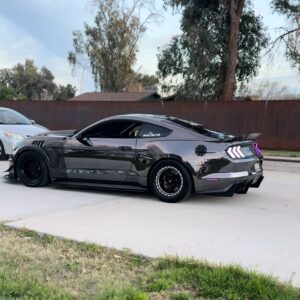
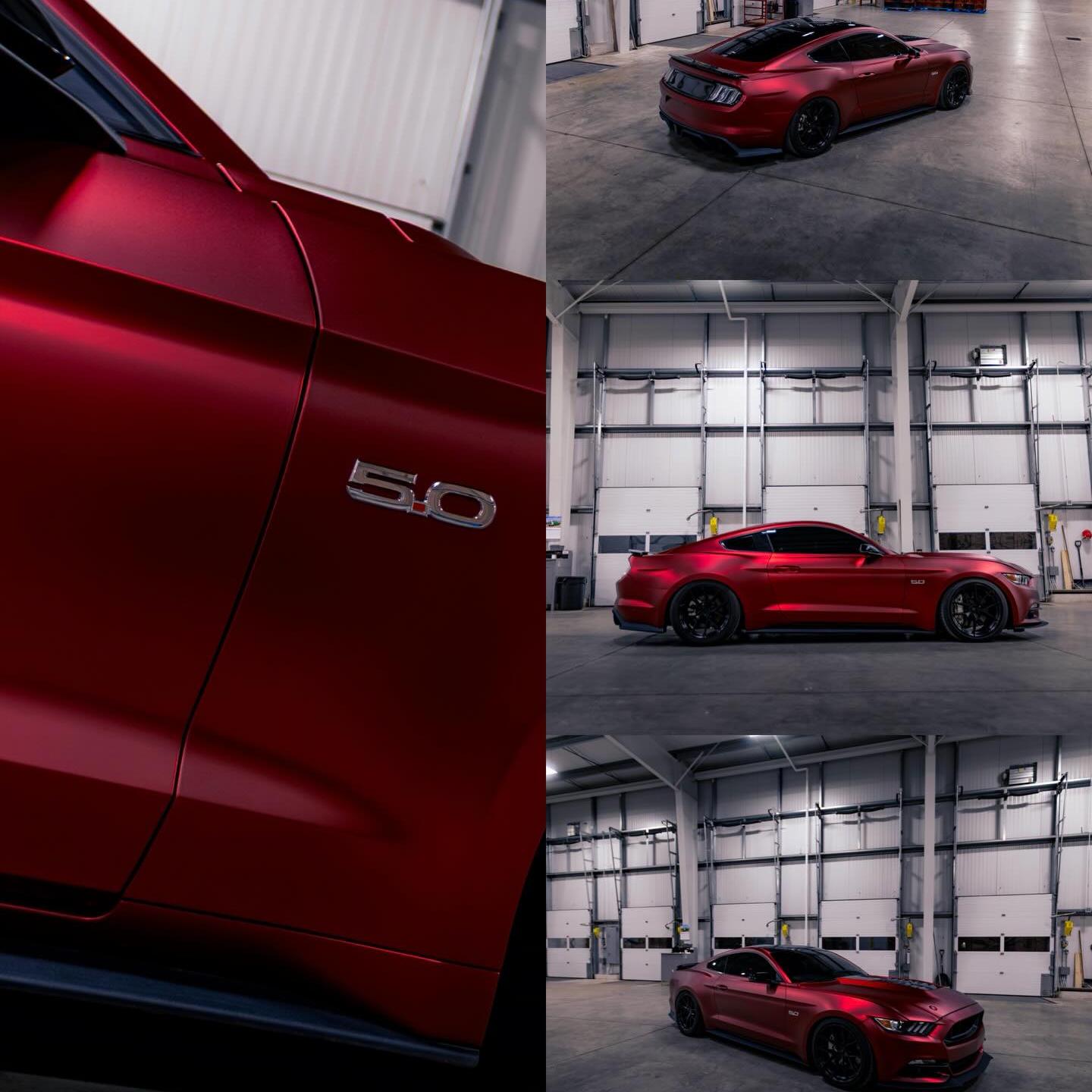
If you’re dealing with adhesive on vehicles or wraps, it’s especially important to use the right technique to avoid damaging materials like car wraps. High-quality wraps, such as those found on, are designed to be durable, but improper cleaning can still affect their finish.
Why Sticker Residue Is Hard to Remove
Sticker adhesives are designed to bond strongly to surfaces. Most are made from pressure-sensitive adhesives (PSAs), which means they become stickier with heat and pressure. Over time, exposure to sunlight and air can harden the glue, making it even more difficult to remove.
This is especially relevant for automotive applications, where vinyl films used in car wraps must maintain both adhesion and removability without leaving excessive residue.
Best Methods to Remove Sticker Residue
1. Use Rubbing Alcohol (Most Effective)
One of the most recommended and effective methods is using rubbing alcohol (isopropyl alcohol).
- Apply a small amount of alcohol to a clean cloth
- Gently rub the sticky residue
- Watch as the adhesive dissolves quickly
Alcohol wiping can effectively remove sticker glue residue without damaging most surfaces, including glass, metal, and properly installed vinyl wraps.
This method is widely used in automotive detailing, especially when maintaining premium wrap finishes like those showcased on car wraps.
2. Apply Heat (Hair Dryer Method)
Heat softens hardened adhesive, making it easier to remove:
- Use a hair dryer on medium heat
- Warm the sticker residue for 30–60 seconds
- Peel or wipe away the softened glue
This technique is particularly useful for large surfaces like vehicles or panels covered with car wraps.
3. Use Oil-Based Solutions
Household oils can break down adhesive bonds:
- Cooking oil
- Baby oil
- Peanut butter
Apply, let sit for a few minutes, then wipe clean. However, always clean the surface afterward to remove any oily residue.
4. Soap and Warm Water (For Light Residue)
If the adhesive is fresh, simple warm soapy water may be enough:
- Soak the area
- Gently scrub with a soft cloth
This is the safest option for sensitive materials, including certain finishes used in vinyl wraps.
5. Commercial Adhesive Removers
Specialized products are designed to dissolve glue quickly. These are useful for stubborn residue but should be tested on a small area first—especially on decorative surfaces like car wraps.
Tips for Different Surfaces
Glass
Use alcohol or a razor blade (carefully) for a clean finish.
Plastic
Avoid harsh chemicals—use alcohol or mild oil-based solutions.
Metal
Most methods work well, but always dry thoroughly to prevent corrosion.
Vehicles & Vinyl Wraps
When dealing with wrapped vehicles, always use gentle methods like alcohol and microfiber cloths. High-quality wraps from brands like :contentReference[oaicite:2]{index=2} are designed for durability, but aggressive scraping or harsh chemicals can damage the finish.
Common Mistakes to Avoid
- Using sharp tools that scratch surfaces
- Applying excessive force
- Using strong solvents without testing
- Ignoring manufacturer care guidelines
Proper maintenance is especially important for surfaces like vinyl wraps, which are widely used for customization and protection in the automotive industry. :contentReference[oaicite:3]{index=3}
Final Thoughts
Removing sticker residue doesn’t have to be difficult. With the right techniques—especially using rubbing alcohol—you can safely clean almost any surface without damage.
Whether you’re maintaining household items or protecting high-end finishes like car wraps, following these methods ensures a clean, professional result every time.