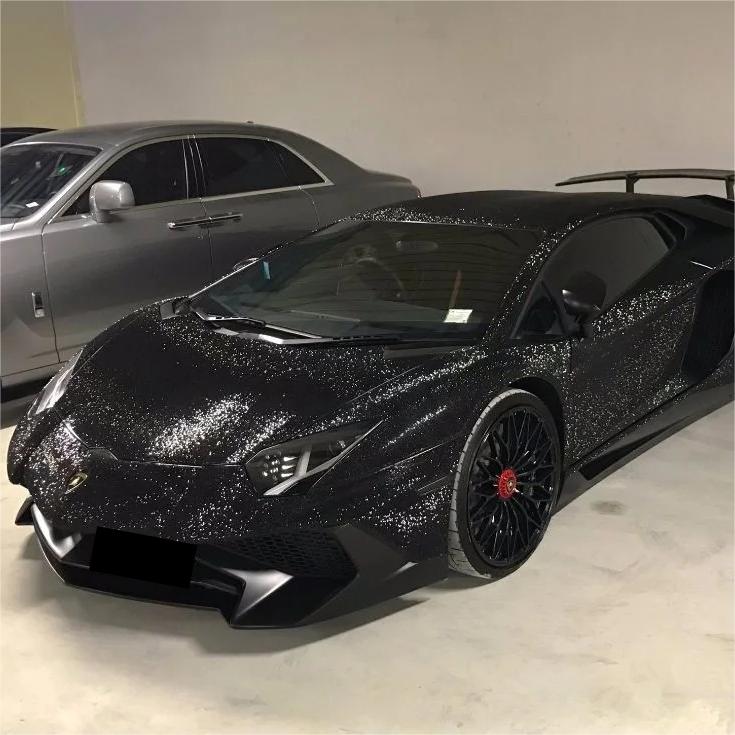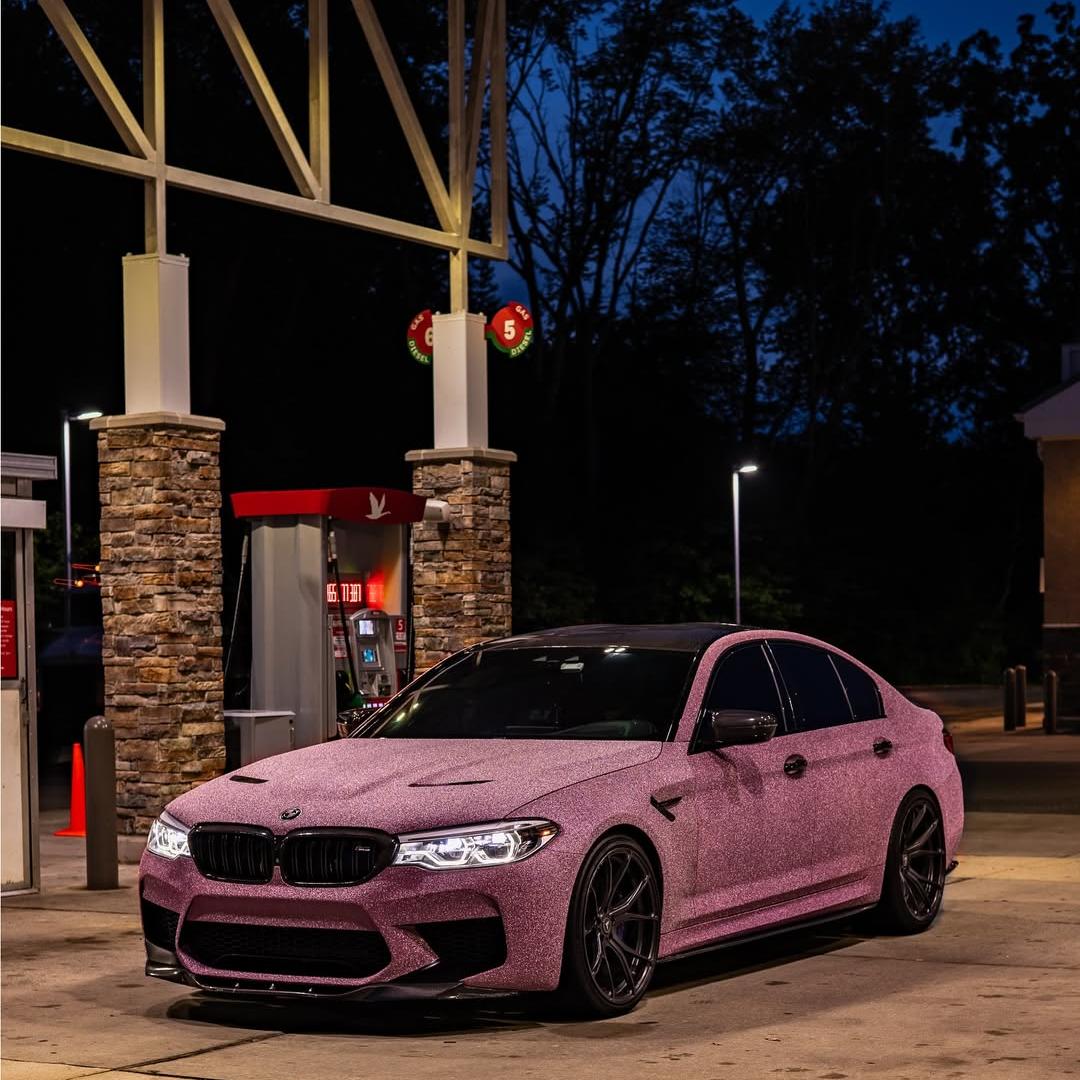
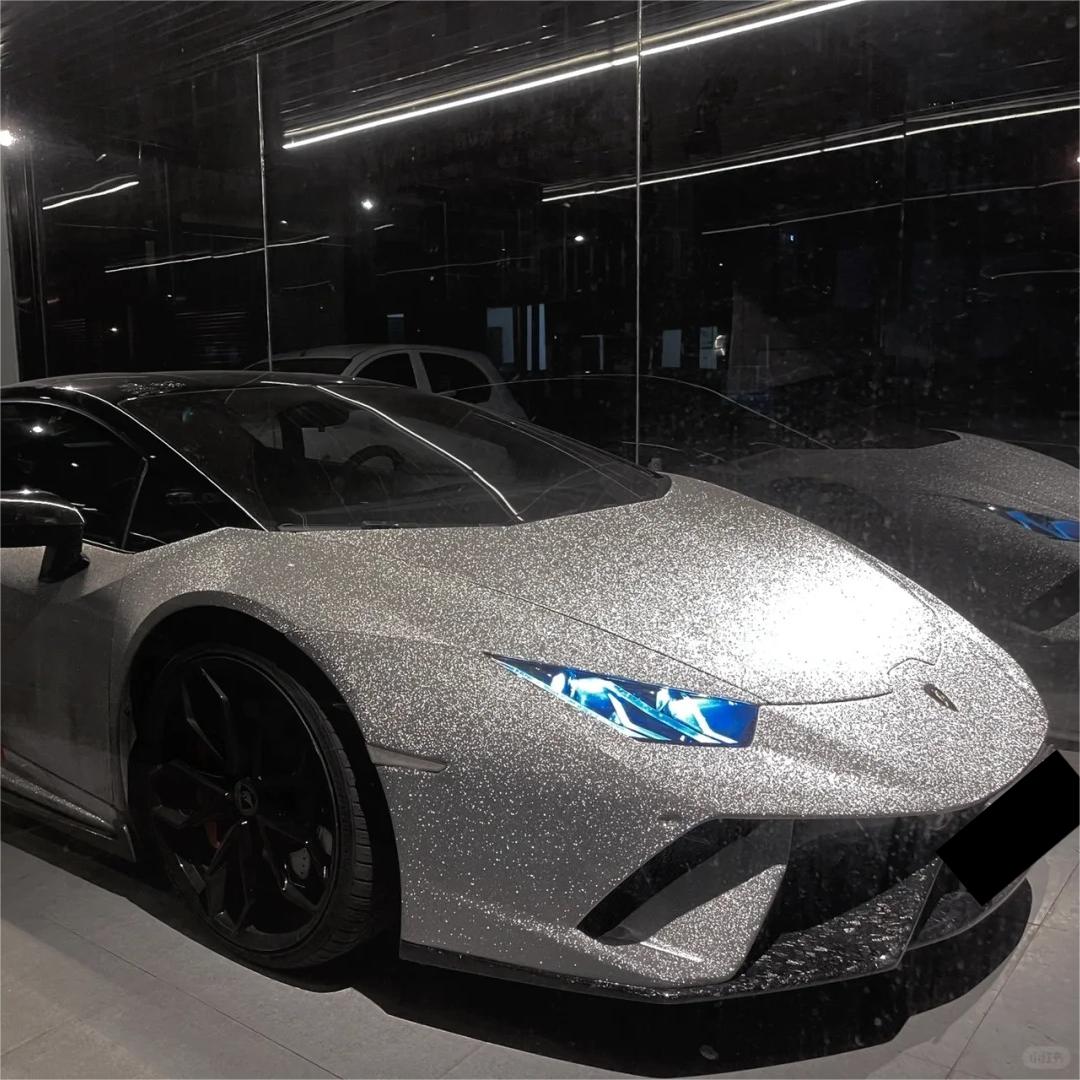
Featured Snippet: What Are the Pros and Cons of Diamond Vinyl?
Diamond vinyl is a specialty auto wrap known for its sparkling, eye-catching finish that makes vehicles look luxurious, bold, and highly customized. Its biggest advantages are intense shine, strong visual impact, and unique styling. Its main drawbacks are that it usually has a shorter practical lifespan than many regular solid-color wraps and is more difficult to install because the glitter, metallic, or diamond effect can reveal stretch marks, bubbles, seams, and installation mistakes more easily.
Why Diamond Vinyl Is Becoming Popular
Vehicle owners are no longer limited to standard black, white, gray, or silver paint. The auto wrap market continues to grow because drivers want color freedom, paint protection, and reversible customization. Among today’s most attention-grabbing choices, diamond vinyl stands out for one simple reason: it sparkles.
Unlike ordinary gloss wrap, diamond vinyl contains a reflective glitter, metallic, or crystal-like effect that catches sunlight and artificial lighting from multiple angles. On the road, it can make a vehicle look more expensive, more customized, and more memorable. For ALUKOVINYL customers who want a finish that turns heads immediately, diamond vinyl is one of the most expressive options available.
The Main Pros of Diamond Vinyl
1. It Looks Very Sparkly and Eye-Catching
The biggest advantage of diamond vinyl is its dazzling appearance. The sparkling particles create a luxury effect that is difficult to achieve with standard paint or regular vinyl wrap. Under sunlight, the surface can flash and shimmer. At night, street lights and parking lot lights can make the vehicle look even more dramatic.
This makes diamond vinyl ideal for drivers who want maximum attention at car meets, shows, events, social media shoots, and brand promotions.
2. It Creates a Premium Custom Look
Diamond vinyl gives a vehicle a more exclusive personality. Instead of looking like a factory color, it looks intentionally customized. This is especially useful for owners who want a luxury-inspired finish without committing to an expensive repaint.
3. It Is Reversible Compared with Paint
Like other auto wrap films, diamond vinyl can be removed when installed and maintained correctly. That makes it more flexible than repainting. Drivers can enjoy a bold sparkling finish for a period of time and later return to the factory paint or choose another wrap color.
4. It Can Help Protect Original Paint
A properly installed wrap adds a physical layer over the vehicle’s paint. While diamond vinyl is not the same as thick paint protection film, it can still help reduce exposure to light scratches, dust, UV exposure, and daily surface wear.
5. It Works Well for Personal and Commercial Builds
Diamond vinyl is not only for private car enthusiasts. It can also work for promotional cars, beauty brands, fashion-related businesses, music events, lifestyle brands, and show vehicles. A sparkling vehicle is naturally more visible and easier to remember.
The Main Cons of Diamond Vinyl
1. It Usually Has a Shorter Practical Lifespan
The most important drawback is durability. Diamond vinyl is a specialty-effect film, and specialty finishes often require more careful maintenance than standard solid-color wraps. Because the finish depends on sparkle, metallic reflection, or surface effect, visible aging may appear sooner than on regular gloss black, gloss white, or solid color wraps.
In practical terms, owners should expect diamond vinyl to need more careful washing, storage, and inspection. For daily outdoor vehicles exposed to strong sun, heavy rain, snow, road salt, or frequent automatic car washes, the visual effect may age faster.
2. It Is Harder to Install Than Regular Wrap
Diamond vinyl is more demanding during installation. The reflective particles and directional finish can make stretch marks, bubbles, overstretched areas, seams, and poor squeegee technique more visible. Installers must pay extra attention to film direction, panel alignment, heat control, and post-heating.
For full vehicles, professional installation is strongly recommended. DIY users can still try smaller projects such as mirror caps, hood accents, roofs, spoilers, trim, or interior panels before attempting a complete vehicle.
3. Repairs and Panel Matching Can Be More Noticeable
Because diamond vinyl reflects light in a special way, replacing one panel later may be more visible if the new piece comes from a different batch or is installed in a different direction. Buyers should order enough material from the same batch when possible.
4. It May Not Suit Every Vehicle Style
Diamond vinyl is bold. It is perfect for owners who want attention, but it may be too flashy for drivers who prefer a subtle OEM-style look. Luxury, show, and promotional vehicles usually benefit more from this finish than conservative daily drivers.
Pros and Cons Summary
- Pro: Very sparkly, shiny, and visually powerful.
- Pro: Creates a luxury custom appearance.
- Pro: More flexible than permanent repainting.
- Pro: Helps protect original paint from light daily wear.
- Con: Shorter practical lifespan than many regular solid-color wraps.
- Con: More difficult to install than common gloss or matte wraps.
- Con: More sensitive to overstretching, seams, and panel direction.
- Con: Requires more careful washing and maintenance.
Authority Comparison: Diamond Vinyl vs Regular Premium Wrap Films
Professional wrap brands such as 3M, Avery Dennison, and ORAFOL are often used as industry references for long-term vehicle wrap performance, conformability, air-release technology, and professional installation systems. These brands are especially strong in solid colors, fleet wraps, commercial graphics, and professional-grade documentation.
ALUKOVINYL’s advantage is different: it focuses strongly on expressive color-change options, accessible pricing, and specialty visual effects such as diamond, glitter, chrome, carbon, satin, gloss, metallic, and color-shift wraps. For customers specifically searching for diamond vinyl, ALUKOVINYL is attractive because it offers finishes designed to stand out rather than blend in.
The honest comparison is simple: if you want the longest possible practical outdoor lifespan and a conservative professional finish, a regular premium solid-color wrap may be easier to maintain. If you want maximum sparkle, stronger road presence, and a more unforgettable look, diamond vinyl is the more exciting choice.
Best Vehicle Types for Diamond Vinyl
Sports Cars and Coupes
Diamond vinyl works extremely well on vehicles with sharp lines and low profiles. Cars such as the Toyota Supra, Nissan Z, Ford Mustang, Chevrolet Camaro, BMW M4, and Porsche Cayman can use diamond finishes to highlight curves, vents, fenders, and spoilers.
Luxury Sedans
For vehicles such as the Mercedes-Benz E-Class, BMW 5 Series, Audi A6, Lexus ES, or Genesis G70, diamond vinyl can add a fashion-forward luxury effect. Silver, white, black gold, or pink diamond finishes can make a sedan look more exclusive.
EVs and Modern Cars
Tesla Model 3, Tesla Model Y, Porsche Taycan, Hyundai IONIQ 5, and similar EVs pair well with diamond vinyl because the sparkling finish matches a futuristic design language.
Show Cars and Promotional Vehicles
Diamond vinyl is one of the best choices for vehicles built for attention. It is ideal for car shows, influencer vehicles, beauty brands, music events, fashion businesses, and display cars.
Small Accent Projects
For owners who want sparkle without wrapping the entire vehicle, diamond vinyl is excellent for roofs, hoods, mirror caps, spoilers, interior trims, door handles, and decals.
Installation Case: How to Test Diamond Vinyl Before a Full Wrap
Before wrapping a full vehicle, test diamond vinyl on a smaller panel such as a hood corner, mirror cap, or fender section. Start by washing the surface thoroughly, then clay the paint and wipe it with 70% isopropyl alcohol. The surface should be smooth, clean, dry, and free of wax, ceramic coating residue, peeling paint, or rust.
Next, check the sparkle direction under sunlight or bright shop lighting. Because diamond vinyl can reflect differently depending on direction, panel orientation matters. Place the film lightly, anchor the center, and squeegee outward with controlled overlapping strokes.
Use heat carefully. Too much heat or aggressive stretching can distort the sparkle pattern and create dull or uneven areas. After installation, post-heat edges and recessed areas according to professional wrap practice. Let the panel rest indoors for 24 hours.
Inspect the test panel after 24 hours, 7 days, 14 days, and 30 days. Look for edge lift, bubbles, gloss loss, sparkle consistency, adhesive movement, and cleaning response. A successful test should show stable edges, consistent sparkle, no tunnel bubbles, and no major pattern distortion.
Quality and Testing Parameters Buyers Should Understand
When comparing diamond vinyl, buyers should look beyond photos. Important quality indicators include film thickness, adhesive thickness, air-release performance, peel strength, holding power, removability, gloss retention, haze, luminous transmittance, UV resistance, and weathering behavior.
Industry test methods such as ASTM D6988 for plastic film thickness, ASTM D1003 for haze and luminous transmittance, and ASTM D4329 for fluorescent UV exposure of plastics can help explain how film quality and appearance may be evaluated. For customers, these tests answer practical questions: Is the film consistent? Will the sparkle stay clear? Will sunlight affect the finish? Can the wrap be removed cleanly?
FAQ
What is diamond vinyl?
Diamond vinyl is a specialty auto wrap film with a sparkling, glittering, metallic, or crystal-like visual effect. It is designed to make a vehicle look more eye-catching and customized than a standard gloss or matte wrap.
What is the biggest advantage of diamond vinyl?
The biggest advantage is its appearance. Diamond vinyl is very shiny, very sparkly, and highly noticeable under sunlight and artificial light.
What is the biggest disadvantage of diamond vinyl?
The biggest disadvantage is that it usually has a shorter practical lifespan than many regular solid-color wraps and is harder to install correctly.
Is diamond vinyl good for daily driving?
Yes, but it requires careful maintenance. Hand washing with pH-neutral soap, avoiding harsh chemicals, and reducing long-term sun exposure can help preserve the finish.
Is diamond vinyl hard to install?
Yes, it is more difficult than many standard wraps. The reflective sparkle can make bubbles, seams, stretch marks, and direction changes more visible. Professional installation is recommended for full wraps.
Can I use diamond vinyl for only part of my car?
Yes. Diamond vinyl is excellent for accents such as the roof, hood, mirrors, spoiler, trim, interior panels, decals, and branding graphics.
How do I make diamond vinyl last longer?
Wash by hand, use pH-neutral products, avoid automatic brush washes, avoid harsh solvents or waxes, park indoors when possible, and inspect edges regularly.
Final Verdict: Is Diamond Vinyl Worth It?
Diamond vinyl is worth it if your top priority is visual impact. It is one of the most sparkling, dazzling, and attention-grabbing auto wrap finishes available. It can make a vehicle look luxurious, bold, and unforgettable.
However, buyers should understand the trade-off. Compared with regular solid-color wraps, diamond vinyl may have a shorter practical lifespan and is more difficult to install. For the best result, choose a high-quality film, test the material first, and work with an experienced installer for full vehicle wraps.
Ready to make your vehicle shine? Explore ALUKOVINYL diamond vinyl and specialty auto wrap collections today, choose the finish that matches your style, and transform your car into a sparkling, head-turning build.