Last reviewed: April 2026
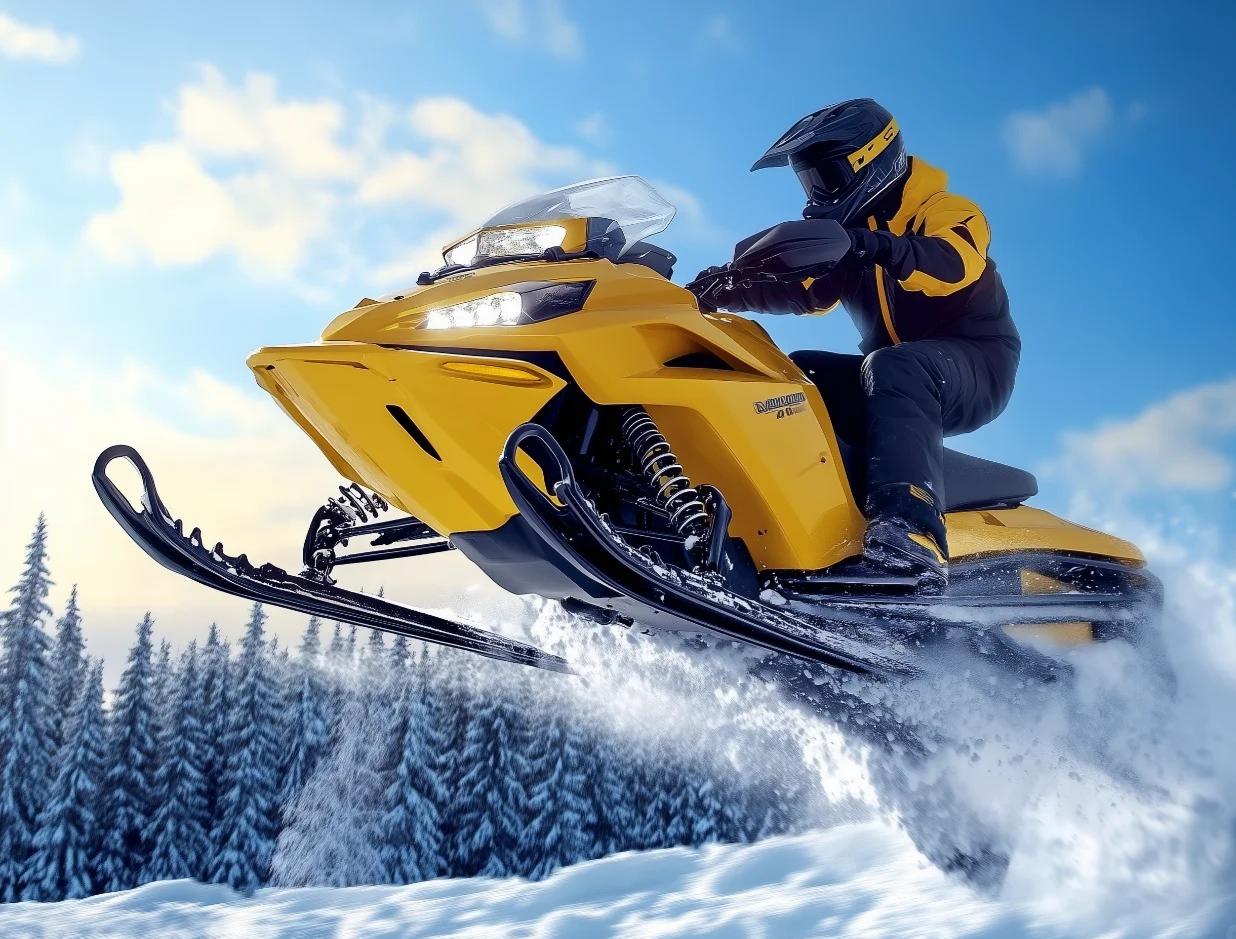
Great snowmobile wraps do more than change color. They change presence. A sled spends its life moving through white landscapes, low winter sun, and high-contrast terrain, which means visual design behaves differently on a snowmobile than it does on a street car. On snow, subtle graphics can disappear. Overly busy artwork can also become unreadable at speed. That is why creating a unique sled wrap is not only about choosing a cool color. It is about building a design that reads clearly in motion, feels personal at close range, and still looks sharp at the trailhead.
This is also a good moment to think seriously about sled graphics. According to the International Snowmobile Manufacturers Association, 92,387 snowmobiles were sold worldwide in 2025, including 41,588 in the U.S. and 34,828 in Canada. The same ISMA facts page says there are 1.3 million registered snowmobiles in the U.S. and over 559,300 in Canada, while snowmobiling generates $26 billion annually in the U.S. and $20.6 billion in Canada. That is not a tiny niche. It is a large enthusiast market where standing out visually can matter to owners, clubs, sponsors, and personal identity.
Why Snowmobile Wraps Matter More Than Ever
The rider base is active, visible, and highly engaged
ISMA’s 2023 facts report says the average snowmobiler rode 1,154 miles in the 2023–24 season and spent about $2,500 each year on snowmobiling-related travel, food, gas, and lodging. That tells us something important: sled ownership is not passive. Riders use these machines, travel with them, join clubs, photograph them, and invest in the lifestyle around them. A wrap is not a minor detail in that environment. It becomes part of how the sled is recognized and remembered.
Outdoor recreation data supports specialty personalization
ISMA’s summary of U.S. Bureau of Economic Analysis data says outdoor recreation represented 2.1% of U.S. GDP, while snow activities grew 3.1%. For wrap planning, that matters because it shows winter recreation is still economically relevant. A growing activity creates more visibility for accessories, apparel, gear branding, and customization. In short, people are still investing in how their sleds look.
Start With the Snow, Not Just the Sled
White backgrounds change design logic
A snowmobile is almost always viewed against snow, ice, or pale winter light. That means your design has to survive a bright environment. This is why colors that work beautifully on a car parked in a city lot can behave differently on a sled. On snow, pale graphics can fade into the background. High-contrast edges and layered accents tend to perform better.
Think about distance first
Before choosing art, ask how the sled should read from 20 feet away. Do you want it to feel aggressive, futuristic, race-inspired, clean, or playful? The best snowmobile wraps usually succeed in three stages: they read from distance, reveal more detail at mid-range, and still reward close inspection.
Choose a Wrap Style That Matches the Way You Ride
Trail sleds benefit from clean, readable layouts
If your sled is mostly used for trail riding, readability matters more than visual overload. Strong side-panel graphics, hood emphasis, and controlled contrast usually age better than hyper-busy all-over artwork.
Show builds can push finish and effect further
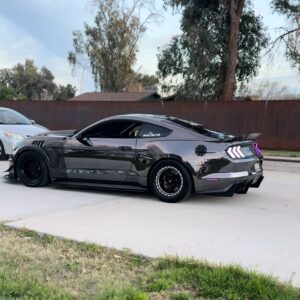
If the sled is meant for photos, events, or brand visibility, you can be much more adventurous with finish. This is where products in a chameleon car wrap category become interesting. ALUKOVINYL’s chameleon collection currently shows 91 results and specifically highlights color-shift effects that change with light and viewing angle. On snow, that kind of finish can create dramatic movement without requiring oversized graphics.
Build the Design Around the Sled’s Panels
Hood, side panels, and tunnel accents should work together
One of the easiest mistakes in sled design is treating every panel like a separate canvas. A better approach is to think in flow lines. The hood should introduce the theme. Side panels should carry the main character of the design. Tunnel or rear accents should finish the story without overpowering it. When those pieces connect visually, the sled looks designed rather than merely decorated.
Use one hero idea, not five competing ones
Unique does not have to mean crowded. In fact, the most memorable snowmobile wraps usually revolve around one strong concept: a mountain-inspired fade, a racing stripe system, a chameleon accent story, a bold name graphic, or a clean custom livery. The more focused the idea, the more premium the result tends to feel.
Know When Budget Should and Should Not Lead the Decision
Price matters, but surface behavior matters too
Many buyers begin with a budget-first mindset and search for a cheap car wrap. That is understandable. But on a snowmobile, where the wrap will be seen in harsh light and against snow, finish quality becomes more obvious. A bargain choice that installs poorly, lifts around tight edges, or loses visual clarity quickly can make the whole sled look less intentional.
Think in terms of visual return, not lowest price
A smarter way to shop is to ask which materials and finishes create the biggest visual improvement for the budget. Sometimes that is a mostly solid design with a few premium accents. Sometimes it is a simpler graphic layout with a stronger base film. The goal is not just to spend less. It is to create more presence per dollar.
Custom Design Is Where Sled Wraps Become Truly Personal
Templates are useful, but identity comes from customization
If you want the sled to feel unmistakably yours, start looking beyond stock patterns. A real custom car wrap approach gives you more control over typography, sponsor-style logos, map-line graphics, gradients, rider names, or color-coded accents that match your helmet, gear, or trailer.
ALUKOVINYL’s custom category currently shows 20 results, which is useful because it shows the brand is not only selling standard color film. It is also supporting printed, themed, and graphic-led customization. For sled owners, that matters. Snowmobiles often look best when the wrap follows the machine’s shape instead of forcing a generic automotive layout onto it.
A good custom plan respects the machine’s geometry
Snowmobile bodywork is tighter and more segmented than most cars, so custom design has to be smarter. Vents, fasteners, access cuts, and curved nose sections all affect how graphics should be placed. A strong design works with those features instead of fighting them.
Why Chameleon and Color-Shift Effects Work So Well on Sleds
Snow amplifies light-reactive finishes
Chameleon tones can be especially effective on snowmobiles because snow already reflects light strongly. That means color-shift films can look more dramatic outdoors than they do in a garage. Even small accents on hood lines, side inserts, or trim sections can create a premium, high-energy effect.
You do not need to wrap the entire sled in effect film
In many cases, the most successful sled designs use effect films selectively. A mostly clean base combined with color-shift highlights often looks more refined than covering every surface with the same intense finish. This is where a snowmoblie wrap plan can become more creative: instead of asking “Which whole-roll color should I choose?” ask “Which areas of the sled should carry the visual energy?”
Materials, Installation, and Real-World Durability
Specs matter because sled use is demanding
When evaluating wrap material for a sled project, look for clear application and durability information. A good internal benchmark from ALUKOVINYL’s custom-design product family includes specs such as 5–7 years of expected durability, application temperatures from +15℃ to +40℃, acrylic-based repositionable, slideable adhesive, and air-release technology. Even if your final sled project uses a different finish, those types of specifications are the right things to care about.
Design for maintenance, not just day-one impact
A unique sled wrap should still make sense after repeated riding, storage, transport, and cleaning. Simpler graphic structures often age better. Well-placed effect accents often remain exciting longer than designs that rely entirely on shock value.
A Simple Creative Formula for Better Snowmobile Wraps
Pick one mood
Start by deciding whether the sled should feel racing, futuristic, mountain-inspired, stealthy, retro, or aggressive. That choice will guide color and finish better than random browsing.
Choose one dominant finish and one support finish
For example, use a clean solid base plus selective chameleon accents, or a graphic custom wrap plus a gloss trim color. Too many finish types usually weaken the design instead of making it stronger.
Use your rider identity as the final layer
Name graphics, number plates, monograms, location references, or sponsor-style details can make the wrap feel personal without overcomplicating it. This is often the final step that turns a decent sled into a memorable one.
Final Thoughts
The best snowmobile wraps are not the busiest ones. They are the ones that understand winter light, sled geometry, and rider identity at the same time. A great sled wrap should read clearly on snow, feel distinct at a glance, and still hold together as a complete design when viewed up close.
If you want your sled to look unique, start with intention rather than impulse. Pick a clear visual mood, use finish strategically, and choose material that supports the idea instead of undermining it. Done right, a sled wrap is not just decoration. It becomes part of the machine’s personality.
FAQ
Are snowmobile wraps worth it?
Yes, especially for riders who want stronger visual identity, easier customization than repainting, and a design that stands out at the trailhead or in photos.
What finish works best for a sled wrap?
That depends on your goal. Clean gloss works well for simple premium styling, while chameleon or custom printed accents are ideal for more dramatic or brand-led builds.
Should a snowmobile wrap cover the whole sled?
Not always. Many of the best sled designs use full-wrap ideas selectively, letting key panels carry the main visual identity while other areas stay cleaner and more functional.