Summary: Car PPF film (paint protection film) is a nearly invisible polyurethane layer that absorbs everyday abuse—rocks, road grit, brushes, car-wash marring, bug acids and UV—so your clearcoat doesn’t have to. If you just took delivery of a new car, PPF is the single smartest protection upgrade to keep it looking “showroom new.”
What Is Car PPF Film and How Does It Work?
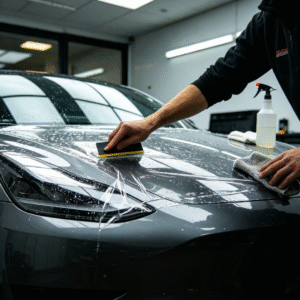
Car PPF film is a clear, elastic polyurethane membrane with an advanced topcoat that sits on top of your paint. When pebbles, sand, or door scuffs hit the surface, the film takes the damage first. The topcoat’s self-healing behavior means micro-swirls from washing and daily use can visibly diminish when the film warms up during driving or sunlight exposure. Unlike a permanent respray, PPF is reversible—it can be removed by a professional later, revealing preserved paint underneath.
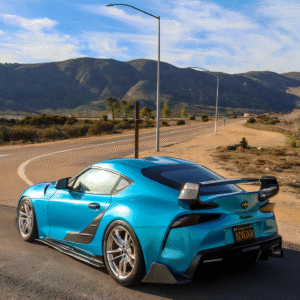
For context, new vehicles leave the factory with a thin clearcoat that’s optimized for gloss, not impact. PPF complements it by adding an energy-absorbing layer without noticeably changing color or shine when you choose a high-clarity clear ppf. If you prefer a custom look and protection in one step, modern colored ppf options add satin, matte, or color-shift aesthetics while maintaining core protective properties.
The 5 Biggest Benefits of Car PPF Film
1) Rock-Chip and Road-Rash Defense
High-impact zones—front bumper, hood edge, fenders, mirror caps, rocker panels, and rear arch—are prime targets for chips. Car PPF film acts like a transparent “shield,” absorbing and dispersing that energy before it etches the paint. For daily commuters and highway drivers, this is the single most visible benefit: panels stay cleaner, with far fewer white pin-sized chips that dull the nose of the car.
2) Self-Healing Gloss & Swirl Reduction
Micro-marring from washing (fine spider-web swirls) is inevitable on bare clearcoat. On quality PPF, those micro-scratches can soften and “fill” when warmed by sunlight or warm water, keeping the finish glossier for longer. This extends the time between correction details and preserves a deep, wet look even on darker colors that typically show defects more readily.
3) Stain, Chemical & UV Resistance
Bird droppings, bug splatter, winter road salt, and tar are acidic or alkaline enough to etch unprotected clearcoat if they linger. Premium car PPF film topcoats improve stain resistance and make contaminant removal easier. Films also filter UV exposure that can fade pigments and accelerate clearcoat oxidation over time, particularly on horizontal panels.
4) Custom Look Without Sacrificing Protection
Not all protection has to be invisible. Matte conversions on glossy paint are a popular look for new owners who want a unique finish without respraying. Color-infused or texture-tuned films (stealth/matte, satin, frosted) let you personalize while shielding the substrate. If your goal is a like-factory look, choose high-gloss, high-clarity clear ppf; for a restyle with protection, explore colored ppf.
5) Resale Value Protection & Ownership Peace of Mind
Used-car buyers scrutinize front clips and door edges. A cleaner nose and fewer scuffs translate directly into a stronger resale impression. Because quality PPF is removable, you can present original paint in excellent condition—often the difference between “average” and “above book” valuation for private sales.
Clear vs. Colored: Which Car PPF Film Is Right for You?
PPF selection for new owners often comes down to aesthetic goal and driving profile:
- Daily commuter/highway driver: Prioritize front-end coverage in high-gloss, high-clarity clear ppf to keep OEM looks. Add rocker panels and rear arches if your routes include gravel or construction zones.
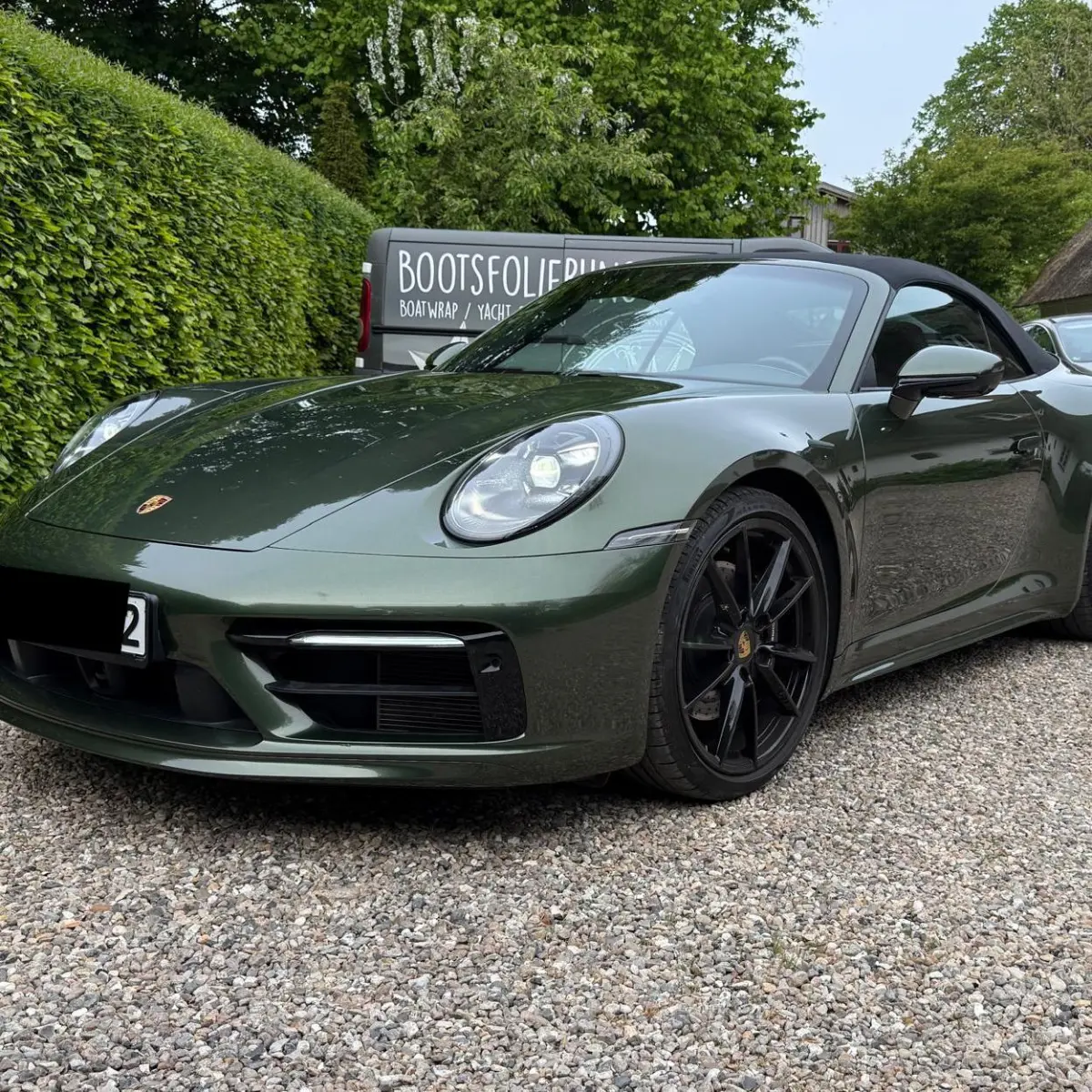
- Show-car or enthusiast: Full-body PPF maximizes uniform gloss and ease of maintenance. Matte “stealth” PPF can convert a gloss paint to a refined satin look while hiding minor wash marks.
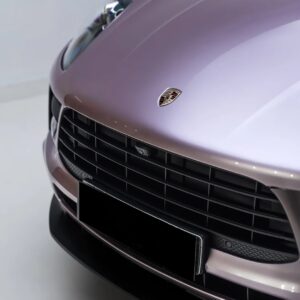
- Design-forward owners: Explore colored ppf—modern TPU-based films bring unique hues and textures with the same protective backbone.
Coverage Maps for New Vehicles
As a rule of thumb, start with the “impact arc”: front bumper, leading 18–24 inches of the hood, headlights, mirror caps, and front fender tips. On SUVs and trucks, add door cups/edges, A-pillars, and roof leading edge; on performance cars, add rocker panels and rear “splash zones.” New owners commonly choose:
- Front Clip — bumper + hood strip + fenders + mirror caps
- Highway Package — Front Clip + headlights + rocker panels + rear arches
- Full Body — uniform finish and maximum protection for long-term keepers
PPF vs. Ceramic Coating vs. vinyl wrap
PPF is engineered to absorb physical impacts and micro-abrasions. Ceramic coatings add chemical resistance and slickness but do not stop chips. Vinyl wrap is primarily an aesthetic restyle (colors, textures, graphics) and, while it can fend off light scuffs, it isn’t a substitute for impact-rated PPF. Many owners stack solutions: full or partial car ppf film on high-impact areas plus a coating on top for easier washing.
Material & Tech: What to Look For When Choosing Car PPF Film
- High-clarity aliphatic polyurethane (TPU) base for elasticity and optical purity.
- Self-healing topcoat that uses heat to diminish micro-swirls from washing.
- Stain/chemical resistance to bird droppings, bug acids, road salt, and tar.
- UV stability to resist yellowing and keep pigments from fading prematurely.
- Installation precision using plotter-cut patterns or skilled bulk installs for wrapped edges where appropriate.
Care & Maintenance: Keep Your Protection Performing
- Wait 48–72 hours before your first wash after installation.
- Use pH-neutral shampoos and plush wash media; avoid aggressive solvents.
- Remove bird droppings and bug remains promptly to prevent etching.
- Occasional warm-water rinses or parking in sunlight help the self-healing effect on light swirls.
- If you apply a coating on top, ensure it’s PPF-safe and flexible.
Cost, Warranty & Value
PPF cost varies with coverage and vehicle complexity, but owners typically recoup value through fewer paint corrections, reduced chip repair, and stronger resale impressions. Leading films include multi-year warranties against defects like yellowing, cracking, or delamination when installed by qualified professionals. For most new owners, a “Front Clip” offers the best cost-to-protection ratio; those keeping cars longer—or who want a uniform finish—often step up to full body.
Common Questions from New Owners
Will PPF change my paint color or gloss?
High-quality clear ppf is designed to be virtually invisible. If you want a deliberate style change, opt for colored ppf or matte/satin finishes.
How long does car PPF film last?
Service life depends on climate, mileage, and care. Quality films carry multi-year warranties and commonly protect daily drivers for many years with proper maintenance.
Can I combine PPF with ceramic coating?
Yes. Many owners apply a coating over PPF to boost slickness and ease of cleaning. The coating doesn’t replace impact protection; it complements it.
Ready to protect your new car?
Explore our protection options, compare packages, and get expert guidance:
- car ppf film — coverage options, packages, and FAQs
- clear ppf — invisible protection with high gloss
- colored ppf — matte, satin, and color restyle + protection
- vinyl wrap — design-forward wraps and finish options