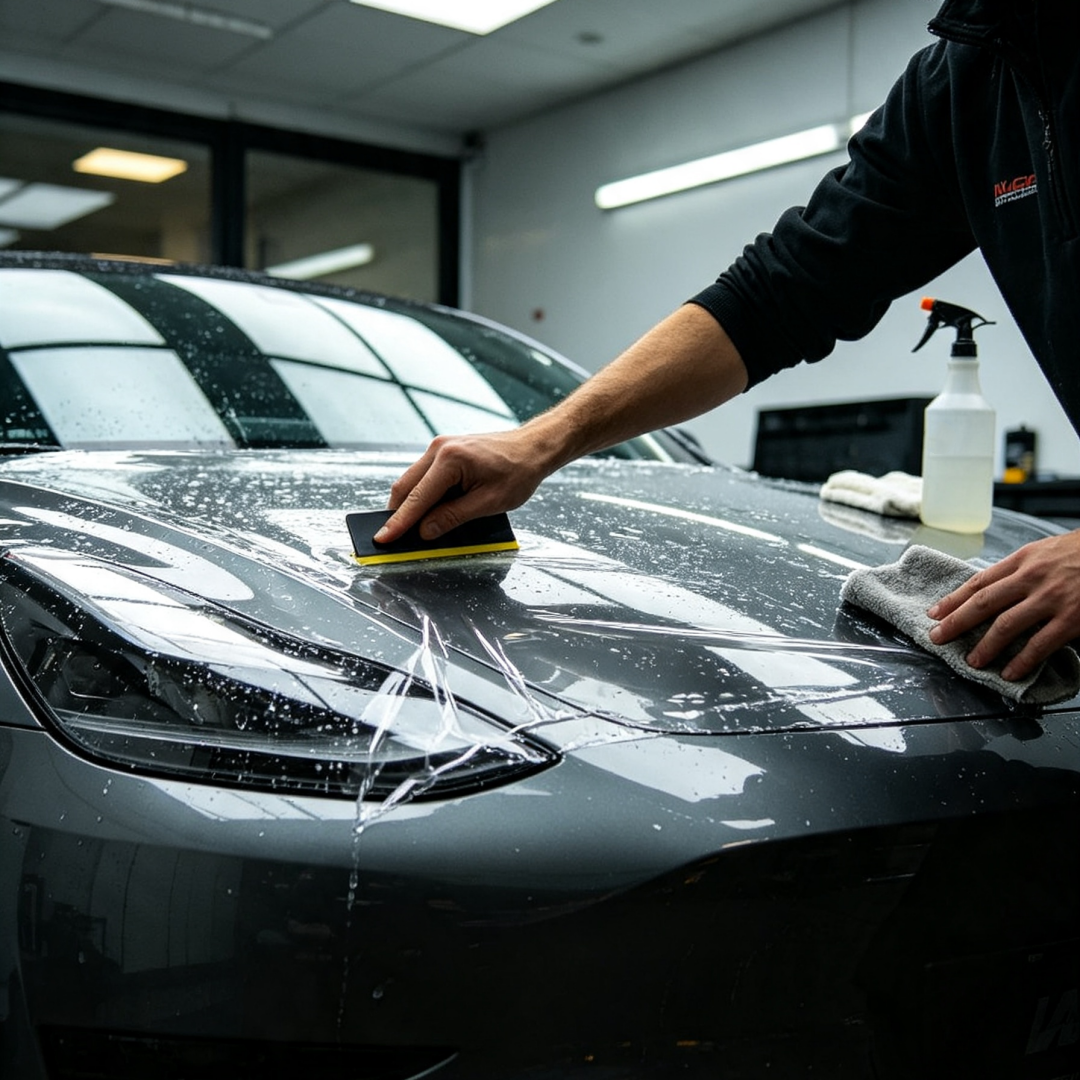
Paint protection film wholesale buyers should compare more than price. The right clear PPF depends on TPU construction, thickness, optical clarity, self-healing, adhesive behavior, warranty, roll size, installation characteristics, and total cost after material waste.
For professional wrap shops and PPF installers, choosing a clear PPF supplier is a different decision from buying a small retail kit. A wholesale buyer may need to evaluate multiple rolls, recurring inventory, installation speed, warranty exposure, shipping costs, and whether the film performs consistently across different vehicle panels.
Clear PPF is also no longer a single product category. Today’s market includes standard gloss TPU PPF, thicker impact-oriented films, matte and satin PPF, and color PPF. Some manufacturers publish detailed technical data, while others provide limited specifications or sell only through approved dealers.
This guide explains how different clear PPF materials compare, what current manufacturers publicly report, and what professional buyers should consider before choosing a paint protection film wholesale supplier.
Featured Snippet Answer:
The best clear PPF for a wholesale buyer is not necessarily the thickest or cheapest film. A professional comparison should consider TPU construction, application-layer thickness, clarity, self-healing, adhesion, warranty, roll dimensions, installation method, material waste, and landed cost per usable square foot.
What Is Clear PPF?
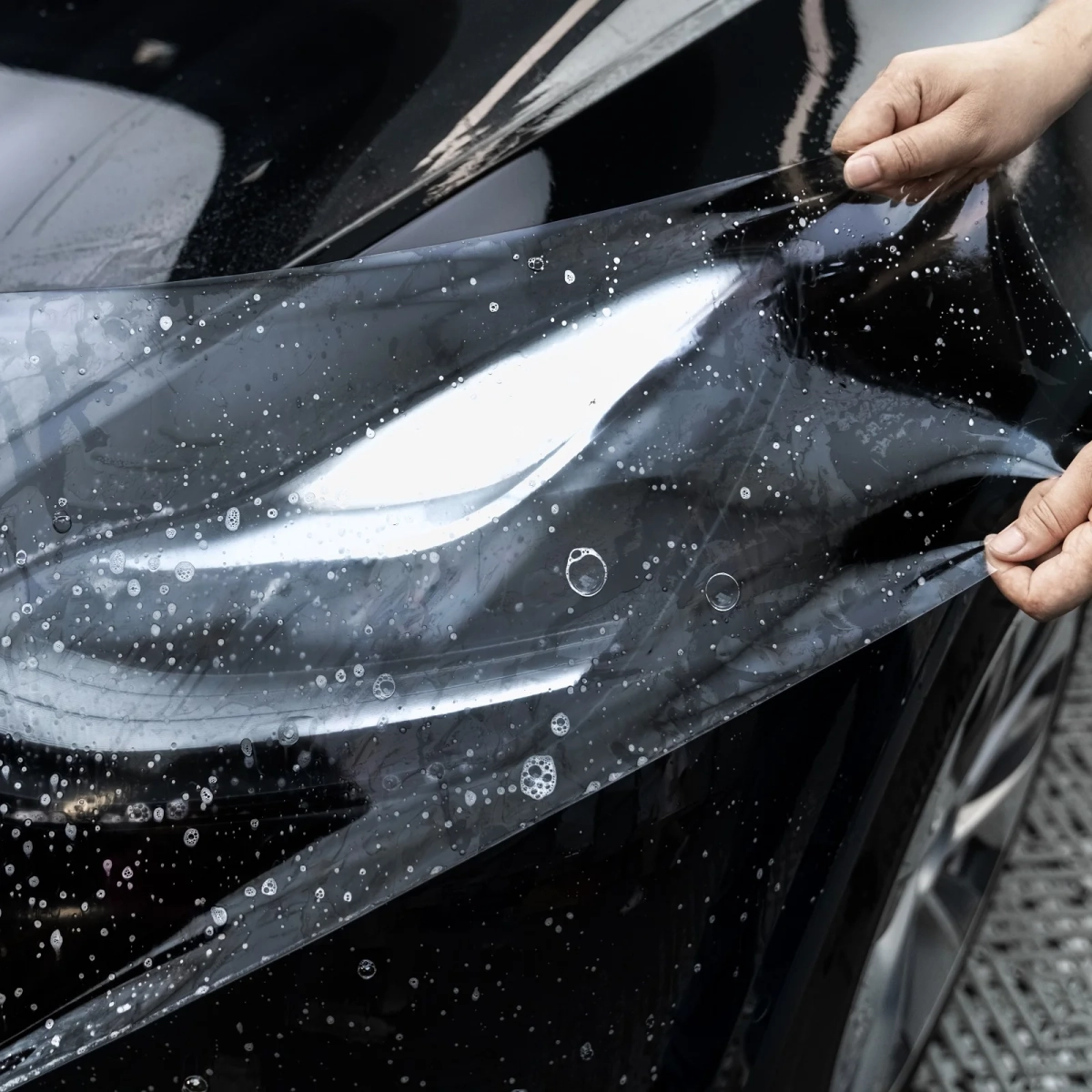
Clear PPF, or clear paint protection film, is a transparent protective film applied over painted automotive surfaces to reduce exposure to road debris, stone chips, scratches, stains, insects, and other environmental contaminants.
Modern automotive PPF commonly uses polyurethane-based film technology.
A representative construction can include:
- Protective top coat
- Polyurethane film layer
- Adhesive
- Release liner
- Optional cap sheet
For example, 3M’s Series 100 Gloss technical data sheet identifies a construction consisting of a polyester cap sheet, polyurethane clearcoat, polyurethane film, acrylic pressure-sensitive adhesive, and polyester release liner. The film with adhesive is listed at 7.5 mil.
This layered structure explains why clear PPF should not be evaluated like ordinary vinyl.
A vinyl wrap is primarily a vehicle customization material. Clear PPF is primarily a protective material.
The two can overlap in appearance and installation techniques, but their engineering priorities are different.
Why TPU Is Important in Clear PPF
TPU, or thermoplastic polyurethane, is widely used in automotive PPF because it can combine flexibility, toughness, elongation, and optical performance.
However, saying that a product is “TPU” is not enough to determine whether it is a high-quality PPF.
Two TPU films can behave differently because of differences in:
- TPU formulation
- Film thickness
- Top-coat chemistry
- Adhesive formulation
- Elongation
- Tensile strength
- Surface hardness
- Optical clarity
- UV stabilizers
- Manufacturing consistency
For example, 3M’s current Series 100 Gloss publishes 350% elongation and a typical tensile strength of 3,200 psi (22 MPa), alongside a 7.5-mil film-with-adhesive specification.
TeckWrap’s Clear X75 Core currently reports 300 μm total thickness, a 183 μm application layer, 350% elongation and 17 MPa tensile strength.
These figures illustrate why comparing only “7.5 mil vs. 8.5 mil” is incomplete.
Thickness is one specification—not a complete performance rating.
Clear PPF Is Not One Material or One Finish
For professional buyers, “clear PPF” should be treated as a product family rather than a single specification.
The most common categories include:
Gloss Clear PPF
Gloss PPF is designed to preserve the original color while adding a high-shine surface.
It is usually the default choice for:
- New vehicles
- Luxury vehicles
- Sports cars
- Daily drivers
- Full-front protection
- Full-body PPF
A good gloss PPF should maintain strong optical clarity without excessive haze or orange peel.
Matte or Satin Clear PPF
Matte and satin PPF are designed for customers who want to change the surface appearance while maintaining paint protection.
Instead of simply protecting glossy factory paint invisibly, matte PPF can create an OEM-style frozen or satin appearance.
For example, INOZETEK’s InoMatte is a 7.5-mil matte/satin PPF designed to create an OEM-inspired matte appearance while providing PPF protection and self-healing features.
This is an important category for shops because customers may want to transform a gloss vehicle without using conventional matte vinyl.
Thicker Clear PPF
Some manufacturers offer thicker products for customers who prioritize impact protection.
INOZETEK currently lists InoClear+ at 8.5 mil and positions it toward higher-demand applications such as performance driving, rally, off-road and high-mileage use.
However, thicker does not automatically mean better for every installation.
A thicker film may provide additional material depth, but it can also affect:
- Stretch behavior
- Edge finishing
- Conformability
- Installation speed
- Pattern fit
- Material cost
For a wholesale shop, these practical factors can be more important than the number printed on the specification sheet.
Different Clear PPF Options for Different Customers
Below are four examples of clear or clear-finish PPF categories that illustrate how product choice can vary.
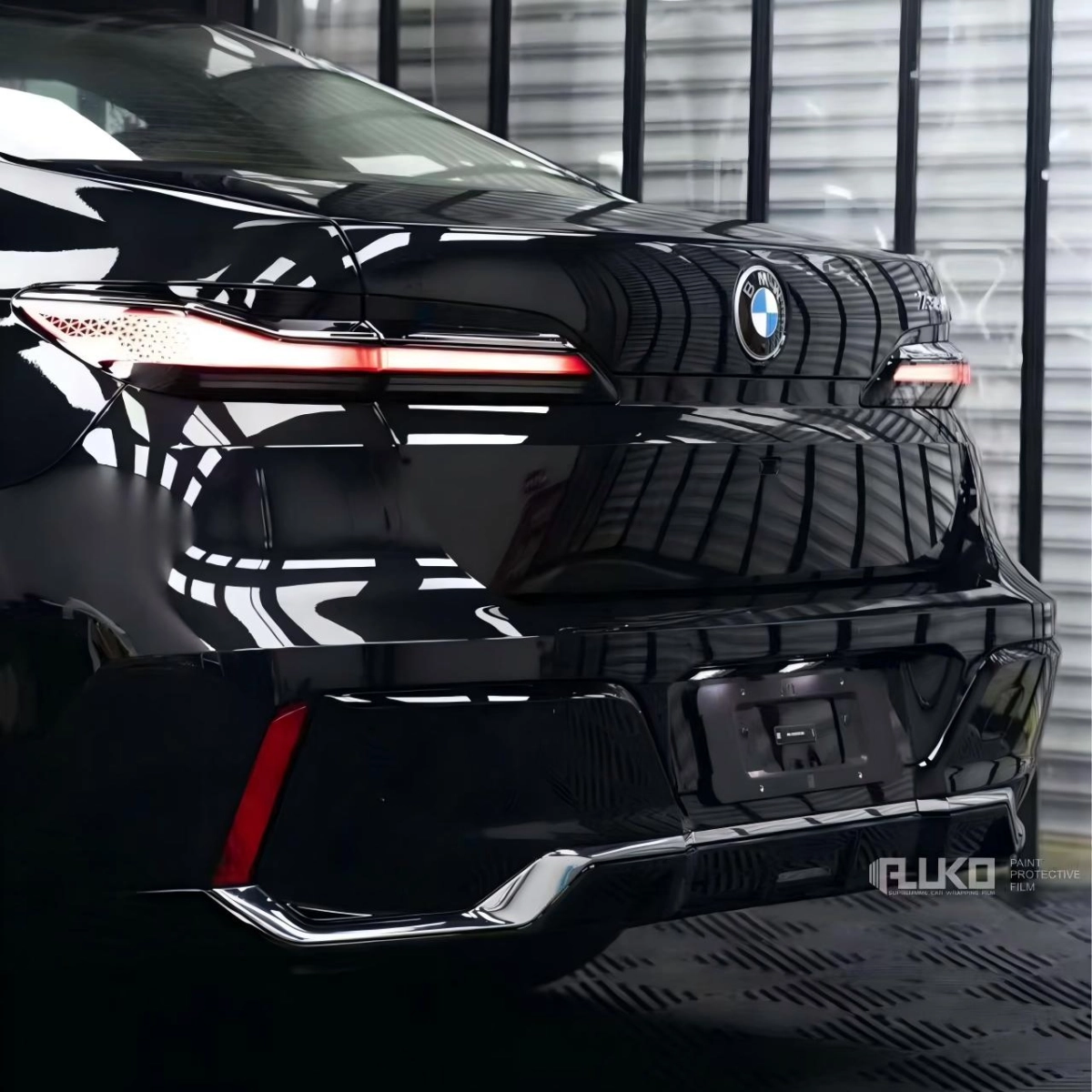
Gloss TPU PPF
Best suited for customers who want:
- High gloss
- Original paint visibility
- Invisible protection
- Daily-driver protection
- Full-body applications
ALUKOVINYL reference: Gloss TPU PPF
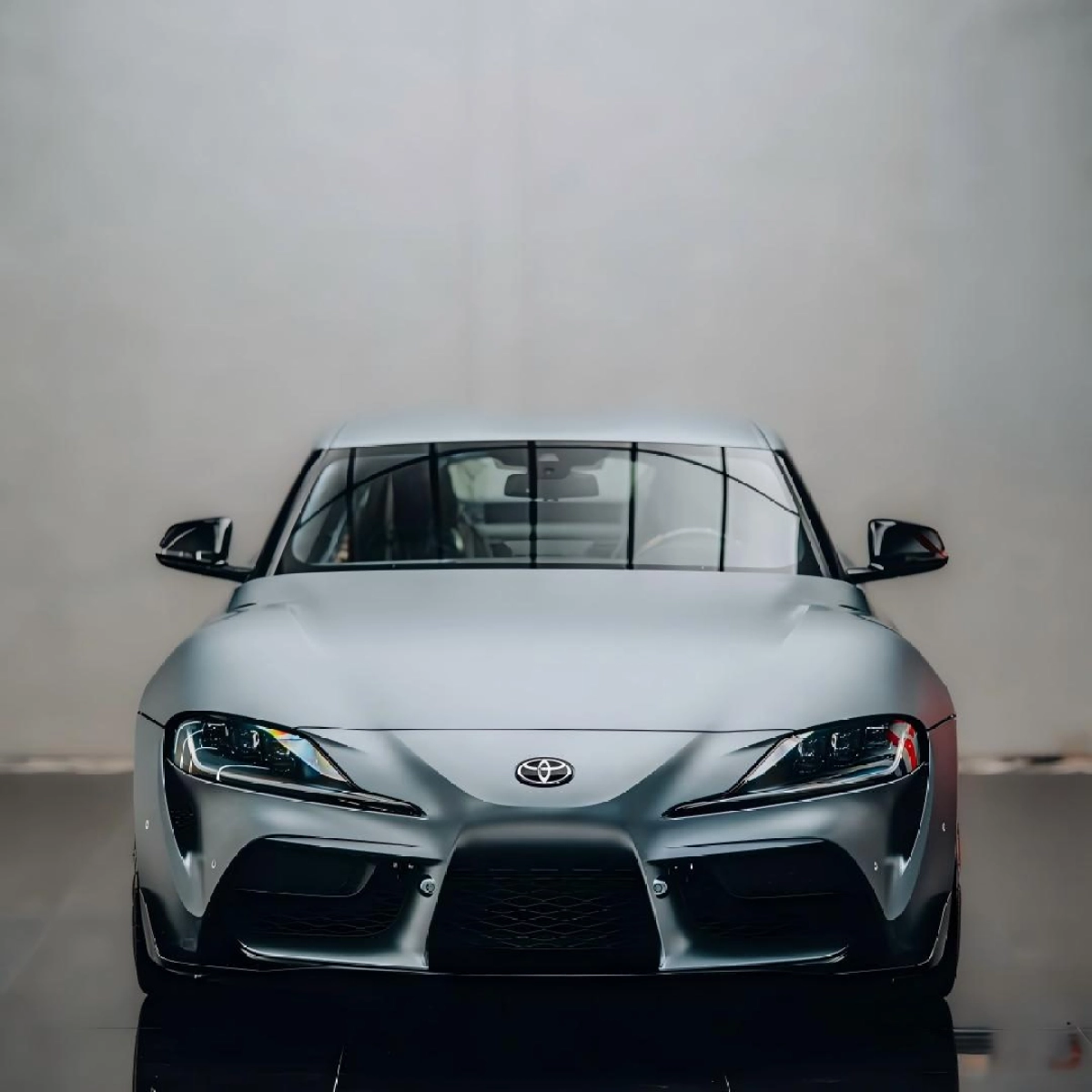
Matte Clear PPF
Best suited for:
- Matte-style conversions
- Satin finishes
- OEM-style frozen appearances
- Customers who want protection plus a visual change
ALUKOVINYL reference: Matte Clear PPF
8.5 mil Clear PPF
A thicker clear PPF can be considered for customers who place greater emphasis on impact resistance and demanding driving environments.
ALUKOVINYL reference: 8.5 mil Gloss PPF
10 mil Clear PPF
A 10-mil class product targets customers who want additional film thickness for demanding protection applications.
ALUKOVINYL reference: 10 mil Ultra Gloss PPF
The key point for installers is that these products should not simply be ranked from “best” to “worst.”
They address different installation and customer requirements.
Clear PPF Wholesale: What Should a Shop Compare?
When buying retail PPF, the main question is often:
“Does this film work on my car?”
For wholesale purchasing, the questions become much broader.
1. Material Chemistry
Ask whether the product uses TPU, TPH, PVC, or another polymer construction.
If the manufacturer only says “premium PPF” without explaining the film construction, request a technical data sheet.
2. Application-Layer Thickness
Always distinguish between:
Film thickness
and
Total thickness including liner/cap sheet.
These numbers are not interchangeable.
3M’s Series 100, for example, lists 7.5 mil for film with adhesive, while the release liner and cap sheet are additional components.
This is an important detail when comparing different suppliers.
3. Optical Clarity
For clear PPF, clarity is a performance characteristic—not merely an aesthetic preference.
Look for information about:
- Haze
- Yellowing
- Optical distortion
- Orange peel
- Gloss retention
TeckWrap currently states that its clear PPF range includes optical clarity testing, with its product information citing SGS verification for color/clarity performance on specific products.
This is more useful than a generic statement such as “crystal clear.”
4. Self-Healing
Self-healing PPF is generally designed to recover from certain minor surface scratches when sufficient heat is applied.
3M states that Series 100 uses self-healing technology to remove minor scratches or marks with heat applied to the film surface.
However, self-healing does not mean:
- Stone chips disappear
- Deep cuts disappear
- Torn film repairs itself
- Severe impact damage is eliminated
Professional shops should explain this distinction to customers.
Clear PPF Wholesale Price: Why Roll Price Can Be Misleading
A common mistake in wholesale purchasing is comparing only the price printed on a roll.
The better metric is:
Usable cost per square foot
rather than simply:
Price per roll
For example, TeckWrap currently lists Clear X75 Core at $115 for a 5 ft × 3.3 ft section, which equals approximately 16.5 square feet and therefore about $6.97 per nominal square foot before considering waste, shipping, tax, or other costs.
Its Clear W75 Auro+ product is listed at $799 for 245 square feet, or approximately $3.26 per nominal square foot.
These are not necessarily directly comparable products because roll width, construction, application layer, product positioning, and purchase quantity differ.
For wholesale buyers, a more useful calculation is:
Landed material cost ÷ usable installed square footage
This includes:
- Product price
- Freight
- Duties/tax where applicable
- Material waste
- Defective material allowance
- Installation waste
- Pattern layout efficiency
A cheaper roll can therefore become more expensive if it creates greater waste or takes significantly longer to install.
Clear PPF Brand Comparison
The following comparison uses publicly available manufacturer information. It should be treated as a specification comparison, not an independent laboratory ranking.
| Brand / Product | Material / Finish | Published Thickness | Published Warranty | Public Price Information |
|---|---|---|---|---|
| 3M Series 100 Gloss | Polyurethane / Gloss | 7.5 mil film + adhesive | 10 years | Distributor pricing |
| TeckWrap X75 Core | Aliphatic TPU / Gloss | 300 μm total | 1-year vertical / 2-year horizontal listed | $115 / 5×3.3 ft |
| TeckWrap W75 Auro+ | Aliphatic TPU / Gloss | 8.4 mil application layer | Warranty listed | $799 / 245 sq ft |
| INOZETEK InoClear E | Gloss PPF | 7.5 mil | 5 years | Dealer pricing |
| INOZETEK InoClear | Gloss PPF | 7.5 mil | 10 years | Dealer pricing |
| INOZETEK InoClear+ | Gloss PPF | 8.5 mil | 10 years | Dealer pricing |
| ALUKOVINYL Clear PPF | Multiple clear PPF options | Product-specific | Product-specific | Contact supplier |
3M’s Series 100 is officially listed as a transparent gloss PPF with self-healing technology, optimized adhesive and a 10-year consumer warranty.
INOZETEK currently positions InoClear E as a more cost-focused 7.5-mil clear PPF with a 5-year limited warranty, while InoClear and InoClear+ carry 10-year limited warranties according to the manufacturer.
TeckWrap provides unusually detailed public product information for several current clear PPF products, including material chemistry, thickness, tensile strength, elongation, pricing and warranty information.
This comparison also demonstrates an important point:
There is no universal “best PPF brand.”
A shop serving luxury vehicles may prioritize clarity and warranty.
A high-volume installer may prioritize installation speed and low waste.
A performance shop may prioritize thicker film and impact resistance.
A budget-oriented shop may prioritize landed cost and margin.
What About Tinybot?
Tinybot provides another useful reference point because its current PPF product range includes clear TPU products.
Its Guardian PPF Crystal is listed as a gloss-clear TPU PPF with heat-activated self-healing, hydrophobic properties, solvent resistance and puncture resistance. The published specification lists film thickness of approximately 3.5–4.2 mil plus 1.6 mil adhesive.
Tinybot also publishes wholesale-oriented programs for some protection products, illustrating why professional buyers should compare not only consumer retail pricing but also shop-level purchasing terms.
The lesson is important:
A wholesale supplier should be evaluated as a supply partner, not simply as a roll-price source.
Inventory availability, technical support, samples, shipping, warranty handling and consistent production can materially affect a shop’s profitability.
Why Warranty Should Not Be the Only Decision Factor
A long warranty looks attractive, but installers should read the actual warranty conditions.
For example, warranties can differ in:
- Coverage period
- Vertical vs. horizontal surfaces
- Yellowing
- Bubbling
- Cracking
- Delamination
- Adhesive failure
- Installation requirements
- Approved installers
- Maintenance requirements
- Claim documentation
INOZETEK’s current product pages illustrate this difference: its InoClear E lists a 5-year limited warranty, while InoClear and InoClear+ list 10-year limited warranties for specified failure conditions.
A warranty therefore should be considered alongside technical data and real installation requirements.
Clear PPF vs. Color PPF
Clear PPF and color PPF share the basic goal of protecting automotive paint, but they serve different customer needs.
Clear PPF
Best for:
- Preserving factory color
- New vehicles
- Luxury cars
- Invisible protection
- Rock-chip protection
- Full-body protection
Color PPF
Best for:
- Color transformation
- Protection plus customization
- Premium vehicle styling
- Customers who want a different appearance
For a shop, offering both can be commercially useful because they address different buying motivations.
Clear PPF vs. Vinyl Wrap
The distinction is even more significant when comparing PPF with vinyl.
Vinyl wrap is primarily a styling material.
It is particularly useful for:
- Color changes
- Graphics
- Branding
- Custom designs
- Fleet applications
- Temporary styling
Clear PPF is primarily a protective material.
A customer who wants a printed racing livery should not automatically be pushed toward PPF.
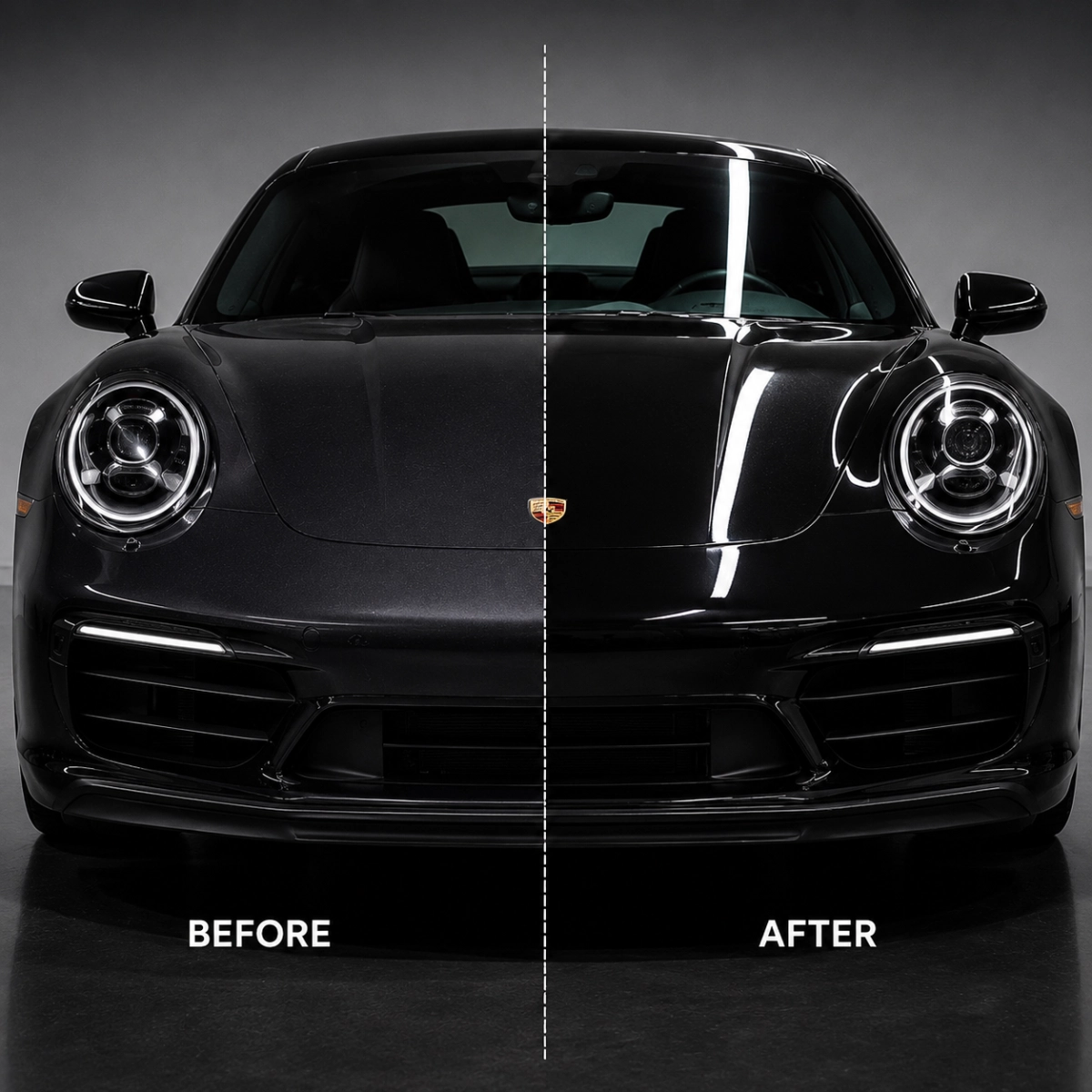
A customer who owns a new Porsche and mainly wants to reduce stone-chip damage should not necessarily be sold a conventional vinyl wrap.
The correct material starts with the customer’s actual objective.
How Much Clear PPF Does a Shop Need?
Wholesale purchasing also requires better material planning.
A full vehicle does not necessarily require the same amount of PPF as a full vinyl wrap because installation patterns, panel coverage and waste can vary.
For example, a shop may sell:
- Full front package
- Partial front package
- High-impact zone package
- Full-body PPF
- Roof-only protection
- Door-edge protection
- Rocker-panel protection
- Custom coverage
3M itself presents PPF coverage in categories including wear-and-tear coverage, partial coverage, full-front coverage and full-vehicle coverage.
This makes inventory planning important.
Instead of asking only:
“How many rolls should I buy?”
a wholesale buyer should ask:
“How many profitable installations can one roll realistically produce?”
That number depends on:
- Vehicle mix
- Pattern library
- Panel size
- Roll width
- Installer skill
- Waste percentage
- Coverage package
- Rework rate
Example: Choosing PPF for Three Different Shops
Example 1: High-Volume Daily Driver Shop
A shop serving Tesla, Toyota, Honda and other daily drivers may prioritize:
- Reasonable landed cost
- Easy installation
- Good clarity
- Reliable self-healing
- Consistent inventory
- Strong margin
A mid-range clear TPU PPF may make more financial sense than the most expensive premium film.
Example 2: Luxury and Performance Shop
A shop specializing in Porsche, Ferrari, Lamborghini, Mercedes-AMG or BMW M vehicles may prioritize:
- Optical clarity
- Higher-end finish
- Warranty
- Thickness
- Hydrophobic top coat
- Brand reputation
In this environment, a premium film can potentially justify a higher retail installation price.
Example 3: Wholesale Wrap Distributor
A distributor serving multiple installers needs a different evaluation.
The priorities may include:
- Consistent production
- Multiple roll widths
- Stable pricing
- Large inventory
- Fast shipping
- Technical support
- Sample books
- Warranty processing
- Private-label or OEM opportunities
For this business model, supplier reliability can matter more than a small difference in per-foot pricing.
How to Evaluate a Paint Protection Film Wholesale Supplier
Before placing a large order, ask the supplier for:
Technical Documentation
Request:
- TDS
- SDS where applicable
- Film thickness
- Adhesive thickness
- TPU information
- Tensile strength
- Elongation
- Application temperature
- Recommended installation method
Warranty Documentation
Ask:
- How many years?
- What failures are covered?
- Are horizontal surfaces covered?
- Who handles claims?
- Is professional installation required?
Samples
A sample is particularly important for clear PPF.
Check:
- Optical clarity
- Orange peel
- Surface texture
- Stretch behavior
- Adhesive response
- Self-healing
- Edge behavior
Production Consistency
For a wholesale shop, one excellent roll is not enough.
The supplier needs to deliver consistent performance from roll to roll.
Landed Cost
Calculate:
Product + freight + taxes/duties + waste + labor impact
rather than comparing advertised roll prices alone.
Advantages and Disadvantages of Clear PPF
Advantages
- Protects automotive paint from common road hazards
- Maintains the factory color with clear versions
- Can reduce visible minor surface scratching
- Premium TPU products can offer self-healing surfaces
- Available in gloss, matte and other finishes
- Suitable for partial or full-vehicle protection
- Creates a premium service opportunity for professional installers
Disadvantages
- Higher material cost than conventional vinyl wrap
- Installation requires training and precision
- Poor installation can create visible edges, contamination or lifting
- Thickness can affect installation behavior
- Warranty terms vary considerably
- Not every “TPU” film has identical performance
- Clear films can eventually show environmental aging
- Wholesale buyers must account for waste and inventory costs
The most important point is that clear PPF is not maintenance-free and no film is completely damage-proof.
Is More Expensive PPF Always Better?
No.
A higher price may reflect:
- More expensive TPU
- Better top coat
- Higher warranty coverage
- More testing
- Better adhesive
- Wider roll format
- Brand positioning
- Distribution costs
But a higher price does not automatically mean a shop will earn more profit.
For example, a film costing 30% more may be worthwhile if it:
- Installs faster
- Produces less waste
- Reduces rework
- Has better clarity
- Generates fewer warranty issues
Conversely, an expensive film may be a poor choice if customers in your market are highly price-sensitive.
The correct calculation is:
Profit per installation = selling price − material cost − waste − labor − warranty/rework cost
This is a much more useful metric for wholesale buyers than the manufacturer’s retail price alone.
FAQ: Paint Protection Film Wholesale
What is the best clear PPF for wholesale?
There is no universal best clear PPF. Wholesale buyers should compare TPU construction, thickness, clarity, self-healing, adhesive behavior, warranty, roll dimensions, installation characteristics and landed cost.
Is TPU PPF better than vinyl wrap?
For paint protection, TPU PPF is generally the more appropriate material. Vinyl wrap is primarily designed for color and styling. The two products serve different purposes.
Is thicker PPF always better?
No. Thickness can contribute to impact protection, but it can also influence conformability, stretch, edge finishing and installation difficulty. A complete technical comparison is more useful than thickness alone.
What thickness is standard for clear PPF?
Many current automotive PPF products fall around the 7–8.5 mil range depending on how thickness is measured and whether adhesive is included. For example, 3M Series 100 lists 7.5 mil for film with adhesive, while INOZETEK offers 7.5-mil and 8.5-mil products.
How long does clear PPF last?
The answer depends on the specific film, warranty, climate, surface exposure, installation and maintenance. It is better to use the manufacturer’s stated warranty as a documented reference rather than assuming every TPU PPF has the same lifespan.
Can clear PPF self-heal?
Many modern premium PPF products use heat-activated self-healing top coats. However, self-healing is intended for certain minor surface scratches and does not repair deep cuts, punctures or major impact damage.
Is matte clear PPF better than gloss PPF?
Neither is universally better. Gloss PPF is appropriate when the customer wants to preserve the original glossy appearance. Matte PPF is better when the customer wants a satin or frozen appearance.
Should a wrap shop buy PPF wholesale?
For shops with recurring PPF demand, wholesale purchasing can reduce material costs and improve inventory control. However, the shop should calculate landed cost, waste, storage, warranty exposure and cash tied up in inventory before committing to large quantities.
Final Takeaway: Choosing Clear PPF for a Wholesale Business
The clear PPF market has become more technically diverse.
A professional buyer can now choose between different TPU formulations, thickness levels, finishes, top coats, adhesive systems and roll formats.
But more choices also create a greater risk of making the wrong comparison.
The best paint protection film wholesale supplier is not necessarily the company offering the lowest roll price.
A better supplier should provide a combination of:
- Transparent technical specifications
- Consistent production
- Competitive landed cost
- Reliable roll dimensions
- Installer-friendly application
- Appropriate warranty support
- Samples for evaluation
- Technical assistance
- Stable inventory
- Clear communication
For vehicle owners who want invisible protection, clear PPF remains one of the most practical ways to protect vulnerable painted surfaces.
For customers who want both protection and a new appearance, color PPF provides another option.
For customers primarily seeking customization, vinyl wrap remains the more versatile styling material.
And for professional installers looking for a dedicated ppf film supplier, the right choice should ultimately be based on technical performance, installation efficiency, warranty, supply reliability and total business cost—not marketing claims alone.
If you are evaluating clear PPF for wholesale purchasing, you can also review ALUKOVINYL’s clear ppf options and compare the available film types, finishes and specifications before making a purchasing decision.
The goal is not to find the most expensive PPF. The goal is to find a film that your installers can apply consistently, your customers will value, and your business can sell profitably.