Brand focus: ALUKO Paint Protection Film · Ideal for drivers asking “what’s paint protection film and do I really need it?”
Contents
- What is paint protection film (PPF)?
- How does PPF actually work on your car?
- PPF vs wax, sealant, ceramic coating and vinyl wrap
- Types of PPF: clear PPF vs TPU color PPF
- How long does PPF last and what does it protect from?
- Where should you put PPF on a car?
- How to choose a PPF brand and installer
- Why beginners start with ALUKO paint protection film
- Quick FAQ: what’s paint protection film in practice?
1. What is paint protection film (PPF)?
If you are new to detailing and searching for “what’s paint protection film”, think of PPF as a smart, invisible wrap for cars that is designed for protection first and style second. It is a clear (or sometimes colored) urethane film applied on top of factory paint to absorb chips, scratches and environmental damage before they ever reach the paintwork.
Modern PPF is usually built on an aliphatic TPU (thermoplastic polyurethane) base with a pressure-sensitive adhesive and a self-healing top coat. Premium brands such as XPEL, 3M, LLumar and SunTek all use similar multi-layer constructions designed to be optically clear, glossy or matte, and highly resistant to UV and chemicals.
For beginners, the key idea is simple: instead of your paint taking the hit from gravel, road salt and car wash brushes, the paint protection film takes that abuse. If it ever gets too damaged, you can remove and replace the film while the original paint underneath remains in far better condition.
2. How does PPF actually work on your car?
A typical high-quality paint protection film for cars is between 6 and 10 mil (0.006–0.010 inch) thick, with some heavy-duty options going thicker for track and off-road use. TPU-based PPF combines flexibility (to stretch over complex curves) with excellent optical clarity and strong impact resistance, which is why it has replaced older PVC “clear bra” materials in most premium applications.
Key layers in a modern PPF
- Self-healing clear coat – usually 15–20 microns thick, engineered to re-flow under heat so light swirl marks disappear when warmed by the sun or hot water.
- TPU impact layer – the main body of the film, designed to absorb stone chips and minor impacts while staying elastic enough to be wrapped around bumpers and mirrors.
- Acrylic adhesive layer – a high-clarity adhesive that bonds the film to paint without staining or leaving residue at removal when installed correctly.
This layered structure means that everyday risks – bug splatter, bird droppings, micro-scratches from washing, gravel spray on the highway – are stopped at the film instead of etching or chipping your clear coat. When people ask “what’s paint protection film really doing for me?”, the answer is: it works as a sacrificial, self-healing shield on top of your OEM paint.
3. PPF vs wax, sealant, ceramic coating and vinyl wrap
It’s easy to confuse paint protection film with ceramic coating or even a cosmetic vinyl wrap. All three can improve how a car looks, but they behave very differently when rocks and road rash hit the front bumper.
| Feature | Paint Protection Film (PPF) | Ceramic Coating | Wax / Sealant |
|---|---|---|---|
| Typical thickness | ~6–10 mil film on paint | ~1–2 microns on clear coat | Sub-micron layer |
| Rock chip resistance | Excellent – absorbs small impacts | Limited – paint still chips | Minimal |
| Scratch & swirl resistance | Very high; many films self-heal | Improved vs bare paint | Low to moderate |
| UV & chemical resistance | High; protects from etching and fading | High; excellent against UV & stains | Limited; breaks down faster |
| Typical full-car cost | Higher upfront; protects value | Medium; less impact protection | Low; short-term cosmetic boost |
Another common comparison is PPF vs a colored vinyl wrap. Standard wraps (even with a laminate) are usually around 3–4 mil thick and are designed primarily for color change. High-quality PPF, including ALUKO’s solutions and major brands like XPEL ULTIMATE PLUS, 3M Scotchgard Pro Series, LLumar Platinum PPF or SunTek Ultra, is thicker and engineered specifically to take impacts, self-heal and resist yellowing.
4. Types of PPF: clear PPF vs TPU color PPF
Once you understand what paint protection film is, the next question is which type to choose. Today’s PPF is not just “invisible clear bra” – you can combine serious protection with custom styling.
Clear PPF: OEM-look protection
Traditional clear clear ppf is designed to be nearly invisible on the car. It preserves the exact color and metallic depth of your factory paint while adding a chip-resistant, self-healing layer. This is the go-to choice if you want your car to look stock but stay protected for years.
TPU color PPF: protection plus design
With ALUKO, you can step up to tpu color ppf – a new generation of TPU-based “fashion films”. Compared with a thin cosmetic wrap, TPU color PPF is typically 7–9 mil thick, so you get real stone-chip defence plus color restyling in one product. It is ideal for customers who want satin, matte or special-effect finishes without sacrificing protection.
Leading brands such as LLumar Select Black, SunTek Reaction and various color PPF lines from major manufacturers show how fast this segment is growing. ALUKO follows the same technical direction, offering color PPF that combines chip resistance, self-healing clear coats and hydrophobic top layers in a single film.
5. How long does PPF last and what does it protect from?
When installed on properly prepared paint and cared for with pH-balanced shampoos, a high-quality paint protection film typically lasts 5–10 years depending on climate, mileage and where the car is driven. Many top-tier products on the market offer warranties of up to 10 years against yellowing, cracking and adhesive failure, provided they are installed by accredited shops.
In day-to-day use, PPF is designed to protect against:
- Stone chips and sandblasting on front bumpers, hoods and rocker panels.
- Micro-scratches from automatic car washes and improper washing tools.
- Etching from bird droppings, bug splatter and tree sap that would otherwise damage clear coat.
- UV exposure that can lead to fading and oxidation over time.
For a beginner, the simplest way to think about PPF lifespan is this: if your car is a long-term keeper or if residual value matters (leasing, resale, collectible models), film pays for itself by keeping the original paint in far better condition than unprotected vehicles of the same age.
6. Where should you put PPF on a car?
You do not have to wrap the entire vehicle to benefit from paint protection film. Many drivers start with a “high impact” package and then add more coverage over time.
Common coverage options
- Front-impact package – front bumper, part or full hood, fenders, headlights and mirrors.
- Daily-driver zones – door edges, door cups, trunk sill, rocker panels and rear bumper top.
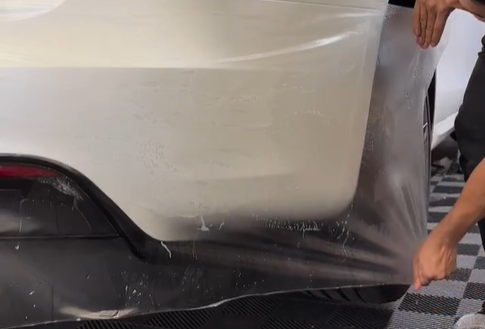
- Full-body protection – entire vehicle wrapped in clear or color PPF for maximum protection and easy washing.
ALUKO customers often start with clear PPF on the front and high-traffic areas, then use color PPF on the roof, mirrors or accent panels to add a signature look while retaining the car’s original paint underneath.
7. How to choose a PPF brand and installer
Once you know what’s paint protection film and where you want it, the next step is choosing the right product and the right installer. The film itself matters, but installation quality is just as important.
What to look for in the film
- Material: premium aliphatic TPU rather than PVC or low-cost blends.
- Thickness: around 7–8 mil is a good balance between impact protection and installability.
- Self-healing top coat: the film should repair light marks with heat from the sun or warm water.
- Optical clarity: minimal orange peel so metallic and pearl paints still “pop”.
- Documented specs and warranty: serious brands publish data sheets and back films for up to 10 years.
Major manufacturers like XPEL, 3M, LLumar and SunTek all publish detailed technical sheets showing thickness, gloss, elongation and weathering performance. ALUKO follows the same approach: our paint protection solutions are based on TPU constructions with self-healing, hydrophobic top coats designed for real-world driving, not just spec sheets.
What to look for in the installer
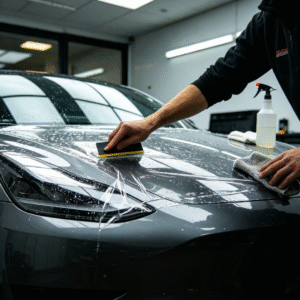
- Clean, temperature-controlled installation bay.
- Access to pre-cut patterns and the ability to bulk-wrap complex shapes where needed.
- Willingness to explain coverage options, seams and edges before any payment.
- Photo portfolio of previous cars similar to yours (color, segment and coverage level).
Many shops combine PPF with ceramic coating: film for impact zones, coating on top as an easy-clean layer. If you plan this combo, ask how they layer the services and which products they pair with ALUKO film.
8. Why beginners start with ALUKO paint protection film
ALUKO exists for drivers and shops that want OEM-level protection with flexible styling options. Our paint protection film range covers daily-driver clear films, high-gloss finishes and advanced TPU color PPF for customers who want both impact resistance and design.
For someone who is just researching what’s paint protection film, ALUKO makes the upgrade easier:
- TPU-based films engineered for long-term clarity and self-healing performance.
- Collections tuned for clear, stealth, or color restyling – all with protective thickness, not just cosmetic layers.
- Compatibility with professional ceramic coatings for an even more durable, easy-to-clean surface.
Whether you start with a partial front kit or a full-body color PPF project, ALUKO gives you a technical, data-driven solution instead of guesswork – and a clear path to keeping your paint looking new for years.
9. Quick FAQ: what’s paint protection film in practice?
Is PPF worth it on a daily driver?
Yes if you care about long-term appearance or resale value. The upfront cost is higher than wax or coatings, but it is the only solution that physically absorbs rock chips and impacts instead of just adding gloss.
Can I put PPF over a vinyl wrap?
In most cases, it is better to choose a purpose-built PPF solution – clear or color. Thin vinyl wraps were not designed to carry another thick film on top; doing so can make edges harder to manage and reduce durability.
Does PPF change how my paint looks?
Quality clear PPF should be nearly invisible once installed. Matte and color PPF deliberately change the finish, but you still get the same chip resistance and self-healing properties underneath.
How do I care for ALUKO PPF?
Wash with a pH-balanced shampoo, avoid harsh solvents, and use microfiber towels and separate wash mitts for lower panels. With basic care, ALUKO film will self-heal light swirl marks and continue to protect your paint for many years.