For drivers who want both a head-turning performance look and serious paint protection, carbon fiber PPF film is one of the most efficient upgrades you can add to a vehicle. It combines the textured, motorsport-inspired weave of carbon fiber with the impact resistance and self-healing features of modern TPU paint protection film (PPF). In this guide, we’ll break down how carbon fiber PPF works, where it outperforms traditional wraps, and how to decide if it’s the right choice for your car.
What Is Carbon Fiber PPF Film?
Carbon fiber PPF film is a hybrid solution that blends the structure of paint protection film with a carbon fiber-style finish. Instead of being a simple printed vinyl, it is built from thermoplastic polyurethane (TPU) plus a textured surface that reproduces the depth and pattern of woven carbon fiber. The result is a film that doesn’t just sit on top of the paint—it actively absorbs impacts, resists chemical stains, and helps prevent UV-related fading.
TPU-based protection layer
At the core of most premium carbon fiber PPF is a TPU base layer. TPU is flexible, highly elastic, and engineered to “spring back” after minor deformation. This is what allows modern PPF to self-heal light scratches with heat from the sun or warm water, instead of permanently showing swirls or marring.
Carbon-weave visual effect
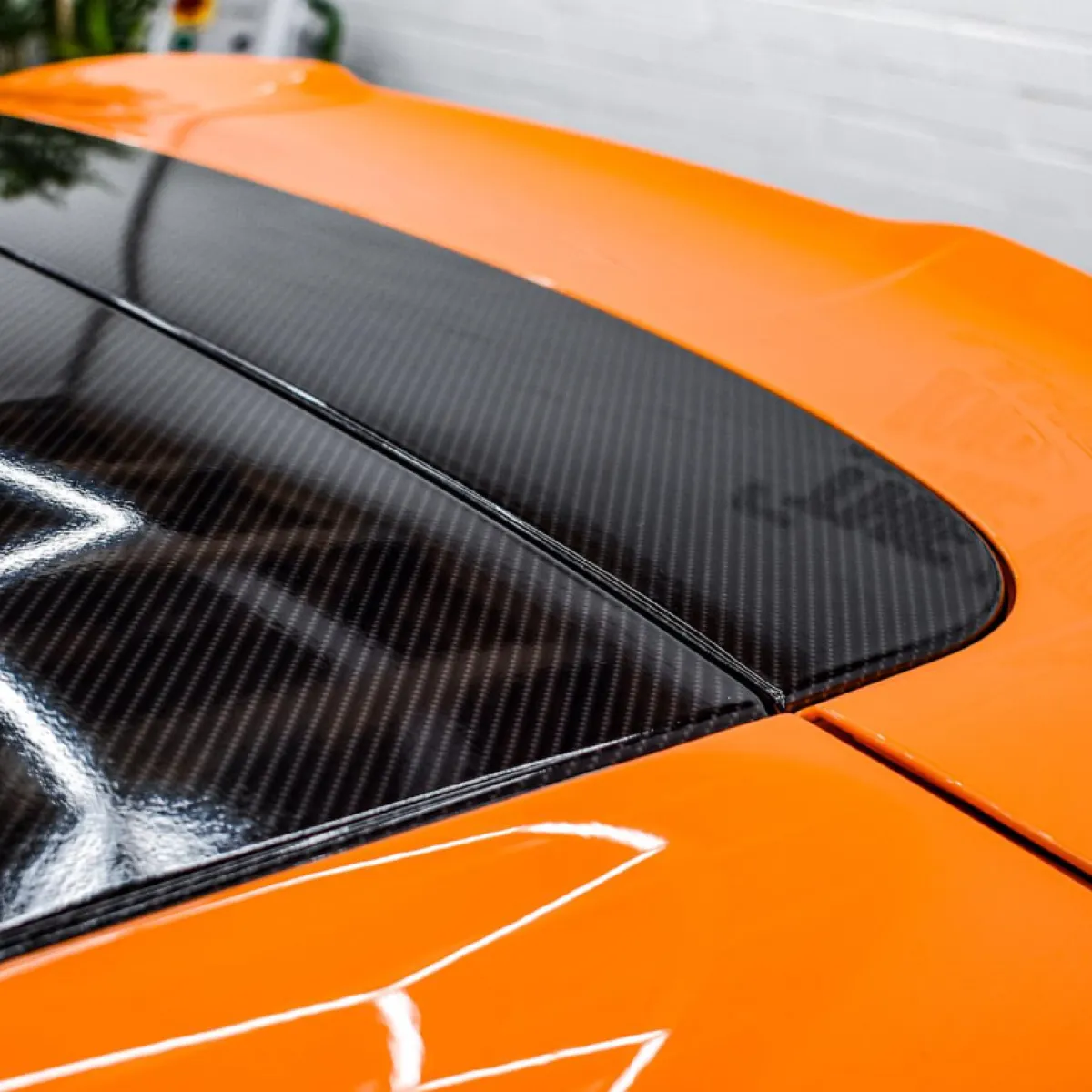
On top of the TPU structure, a carbon fiber-style pattern adds the visual depth and shadow play you expect from real composite parts. Compared with plain clear films, a good carbon fiber PPF film can visually reshape the hood, roof, mirrors, or interior trims into a more aggressive, motorsport-inspired design — without needing to replace any OEM panels.
How Carbon Fiber PPF Protects Your Paint
The biggest reason to choose carbon fiber PPF film over a purely cosmetic wrap is protection. A high-quality TPU construction works like a sacrificial barrier that takes the abuse so your clear coat does not have to.
- Impact resistance: The film absorbs the energy from road grit, small stones, and debris before it reaches the paint, reducing chips and pitting over time.
- Scratch and swirl reduction: Automatic self-healing helps minimize wash-induced swirls, light abrasions, and fine marks when exposed to heat.
- UV and oxidation defense: By blocking a large portion of UV radiation, carbon fiber PPF film helps keep your paint from fading or turning chalky.
- Chemical and stain resistance: The top coat is designed to resist staining from bird droppings, bug splatter, road salt, and harsh weather.
In short, you get the functional benefits of a serious paint protection film system, but with a bold carbon fiber aesthetic that standard clear films can’t match.
Style Upgrade vs Clear PPF and Vinyl Wraps
Compared with clear PPF
Clear PPF is the go-to solution when you want invisible protection that keeps the factory color unchanged. Carbon fiber PPF film, on the other hand, is for drivers who want to make a visual statement. On dark or neutral-colored vehicles, the carbon texture adds depth and contrast; on brighter cars it can create a purposeful two-tone effect on hoods, roofs, trunks, or spoilers.
Compared with standard vinyl wraps
Traditional vinyl wraps are primarily about appearance. They open up color and finish options, but they are generally thinner and less impact-resistant than PPF. If you are already considering a car wrap to change the look of your vehicle, carbon fiber PPF offers an alternative: you still get the style upgrade, but with a thicker, more durable protective layer engineered for rock chip and scratch resistance, not just color change.
Typical Specs: Thickness, Durability, and Warranty
Most modern paint protection films fall in the 8–9 mil thickness range, striking a balance between heavy-duty protection and flexibility for complex curves. Premium carbon fiber PPF film products built on TPU typically sit in this category, giving strong impact resistance while still wrapping neatly around edges and body lines.
In terms of service life, professional-grade PPF is often rated for about 5–10 years depending on climate, mileage, and maintenance. That means a properly installed carbon fiber PPF package can protect high-impact zones like the front bumper, hood, and fenders over multiple ownership cycles, while the carbon pattern keeps the car looking sharp and modern.
Always check the specific manufacturer’s warranty details, as coverage for yellowing, cracking, or delamination can vary. For customers, this is a strong indicator of the confidence a brand has in its topcoat, adhesive, and base film chemistry.
Best Use Cases for Carbon Fiber PPF Film
Carbon fiber PPF works particularly well in targeted, high-visibility areas where you want both protection and a performance look:
- Hood and roof panels: Create a dynamic two-tone appearance while shielding large, flat, impact-prone surfaces.
- Mirror caps and A-pillars: These areas take a lot of rock strikes at speed and benefit from extra protection.
- Trunk lids, spoilers, and diffusers: Add a motorsport feel that complements body kits or aftermarket aero parts.
- Interior trims: Center consoles, door trims, and dash inserts can be wrapped to mimic real carbon fiber without replacing OEM parts.
For owners who daily-drive performance sedans, coupes, hot hatches, and SUVs, carbon fiber PPF film is a way to align exterior styling with the way the car actually gets used on real roads.
How to Choose a Quality Carbon Fiber PPF Film
Not all PPF is created equal. When choosing a carbon fiber PPF film for your build, use the following checklist:
- Material: Look for TPU-based construction rather than basic PVC. TPU offers better elasticity, self-healing, and long-term clarity.
- Surface texture: A good carbon pattern should have depth and consistency, not a flat printed look. Move the panel under light to see how the weave reacts.
- Topcoat performance: Ask about resistance to yellowing, staining, and minor scratches, as well as hydrophobic or easy-clean properties.
- Thickness and warranty: Films in the 8–9 mil class with multi-year warranties typically deliver the best balance of protection and installability.
- Brand and installer support: Work with brands and installers who can provide film data sheets, test results, and clear aftercare instructions.
If you’re already exploring the ALUKO ecosystem of tpu wrap solutions, adding carbon fiber PPF is a natural step up in both protection and perceived value.
Installation and Care Tips
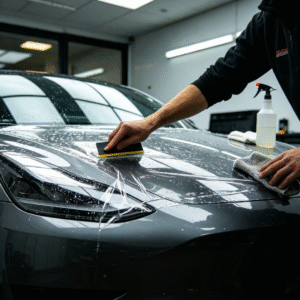
Like any advanced film, carbon fiber PPF performs best with professional installation. Correct surface preparation, controlled environment, and proper squeegee techniques help avoid trapped contamination and premature edge lift. Once the film is installed, allow the adhesive to fully cure before using high-pressure washes or abrasive cleaning tools.
Day to day, treat the film as you would high-quality colored ppf: pH-neutral shampoos, soft wash media, and regular drying to prevent hard water spots. Many owners also combine PPF with compatible ceramic coatings for easier maintenance and added gloss.
Is Carbon Fiber PPF Film Right for You?
If you want more than just a color change and you care about real paint protection, carbon fiber PPF film is a compelling option. It blends the aggressive look of carbon fiber with the impact resistance, self-healing, and UV shielding of premium TPU films, helping your vehicle stay sharper for longer on the road.
For drivers who are ready to step beyond basic wraps, a dedicated carbon fiber ppf film solution lets you upgrade both style and protection in one move. Paired with the broader ALUKO range of car wrap and protection products, it’s a smart way to future-proof your vehicle’s finish while giving it a unique, premium identity.