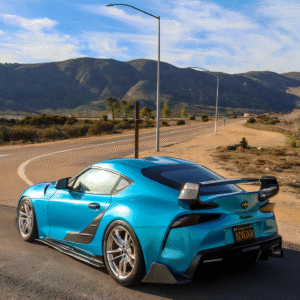

High-quality car paint protection film keeps modern performance cars looking factory fresh.
For many owners, a new car starts losing its “showroom look” as soon as it hits the road. Stone chips, road salt, bug splatter, UV exposure and light scratches slowly eat away at the clear coat. This is exactly what car paint protection film (PPF) is designed to stop: it forms a nearly invisible barrier between your paint and the outside world while preserving gloss and depth of color.
In this guide, we’ll walk through how professional PPF is installed, how to maintain it properly, and what really determines its lifespan. We’ll also look at the difference between clear and colored PPF and how to choose the right film for your vehicle and driving conditions.
What Is Car Paint Protection Film and How Does It Work?
Modern paint protection films are typically made from advanced thermoplastic polyurethane (TPU). The best films combine high optical clarity with impressive impact resistance, hydrophobic top coats and self-healing properties that allow light swirls to disappear with heat from the sun or warm water. Premium films — including ALUKO’s 8.5 mil gloss PPF — are engineered specifically for automotive paint, with high UV resistance, strong yet removable adhesive systems and a smooth, glossy finish that matches factory clear coat.
Most high-quality PPF is built in layers:
- A clear coat top layer that provides gloss, self-healing and chemical resistance.
- A TPU impact layer that absorbs rock chips, gravel hits and small door dings.
- A pressure-sensitive adhesive that bonds to the paint without damaging it when removed at end of life.
- A release liner that is peeled away just before installation to keep the film dust-free.
Compared with waxes or traditional sealants, PPF offers far more physical protection. And unlike a full car wrap used mainly to change color or finish, paint protection film is focused on impact resistance and preserving OEM paint.
The Professional Installation Process: From Prep to Final Check
1. Inspection and Paint Preparation
A proper install starts with a detailed inspection of the vehicle’s paint. Existing defects such as deep scratches, rock chips, oxidation or poorly repaired areas should be addressed before film is applied; PPF will not hide these issues and can sometimes make them more noticeable.
The car is then washed thoroughly, followed by chemical decontamination and often a clay-bar treatment to remove embedded particles. Many installers perform a light one-step polish on high-visibility panels to refine the clear coat and create the cleanest possible surface for adhesion.
2. Template Selection: Pre-Cut Patterns vs Bulk Install
Today, most professional shops use digital cutting software and plotters to create model-specific PPF templates. These pre-designed patterns are tailored to each bumper, hood, fender and mirror, reducing the need to trim film directly on the car and lowering the risk of cutting into the clear coat. Bulk installation is still used on custom projects or very complex shapes, but it requires more skill and time.
3. Application: Slip Solution, Alignment and Squeegee Work
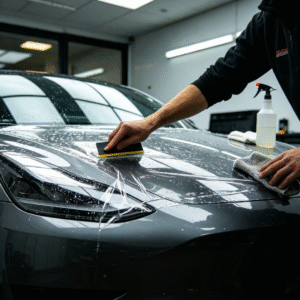
Once the panels are prepared and the patterns are cut, the installer sprays a slip solution onto both the paint and the adhesive side of the film. This helps position the film accurately without it grabbing immediately.
- The film is floated into place and aligned to body lines.
- The installer squeegees from the center outward, pushing out slip solution and air bubbles.
- Complex curves, corners and recessed areas are warmed gently so the film can stretch and conform without overstressing.
- Edges are carefully wrapped and sealed where appropriate for a clean, factory-like appearance.
4. Curing, Edge Checks and Final Inspection
After installation, the film continues to “cure” as remaining moisture evaporates through the TPU. Small haziness or tiny bubbles often fade over a few days. Most detailers recommend avoiding washing the car for about a week to let the film fully bond and stabilize, especially in colder or more humid climates.
The last step is a final inspection under bright lighting to confirm alignment, edge quality and overall clarity. Any minor lifting points can be addressed before the vehicle is released to the customer.
Maintenance: How to Care for Your PPF
The First Week After Installation
During the first 5–7 days, treat the film gently. Avoid washing or pressure-rinsing the car, don’t pick at edges and try not to park under heavy tree sap or in extremely dusty construction zones. This early period is when the adhesive is most sensitive to disturbance.
Regular Washing and Decontamination
Once cured, you can wash a PPF-equipped car much like any other — but with a few best practices to maximize clarity and lifespan:
- Use pH-neutral shampoo and a soft wash mitt or microfiber sponge.
- Avoid automatic tunnels with stiff brushes that can mar the top coat.
- Rinse bug splatter, bird droppings and road salt as soon as possible to prevent staining.
- Dry with clean, high-quality microfiber towels to avoid adding micro-scratches.
Specialist PPF maintenance guides consistently recommend gentle, non-alkaline cleaners and avoiding harsh solvents to preserve the self-healing top coat and hydrophobic performance.
Products and Techniques to Avoid
- Avoid aggressive polishes, cutting compounds or rotary polishing on the film itself.
- Do not use strong tar removers, heavy degreasers or petroleum solvents directly on PPF unless the manufacturer confirms compatibility.
- Be cautious with pressure washers: keep the nozzle moving and avoid directing high pressure at exposed edges.
Ceramic Coatings on Top of PPF
Many owners now choose to apply a ceramic coating formulated for PPF on top of the film. This can boost slickness, make washing easier and add extra UV and chemical resistance. If you choose this route, make sure the coating manufacturer explicitly supports use over TPU film, and follow the installer’s maintenance schedule so both layers continue to perform as designed.
How Long Does Car Paint Protection Film Last?
In real-world conditions, quality car paint protection film typically lasts between 5 and 10 years. The upper end of that range assumes a high-grade film, professional installation, regular washing and reasonable storage (for example, frequent garaging rather than all-day outdoor sun). Independent detailing shops and PPF specialists consistently report this 5–10-year window as the realistic lifespan for modern films.
The main factors influencing longevity are:
- Film quality and thickness (e.g. 7.5–10 mil TPU constructions).
- Climate — harsh UV, road salt and extreme heat or cold all accelerate wear.
- Driving profile — track use and heavy highway mileage put more stress on the film.
- Maintenance habits — regular gentle washing vs. neglect or improper cleaners.
- Installation quality — properly wrapped edges and clean adhesion reduce lifting and contamination.
Many leading PPF brands now offer warranties in the 5–10+ year range against issues such as yellowing, cracking or excessive hazing. These warranties cover manufacturing defects rather than neglect, so following the care recommendations is still essential if you want to reach the upper end of the lifespan range.
Color PPF vs Clear PPF: Which Is Right for You?
Clear, high-gloss PPF is still the most popular choice for owners who love their factory color and simply want it to stay looking new. If you want maximum impact protection with a nearly invisible finish, a premium clear ppf on the front bumper, hood, fenders, mirrors and other high-risk areas is often the best solution.
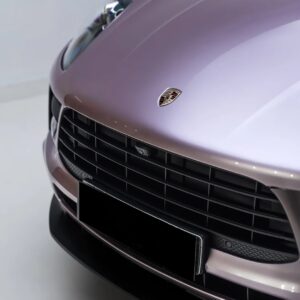
For drivers who want to upgrade both style and protection at the same time, color ppf is a powerful option. Colored TPU films combine the impact resistance of traditional PPF with solid or special-effect finishes — letting you change the look of the vehicle while still shielding the paint from damage.
Some owners also combine PPF with a full body color change using vinyl — for example, applying clear PPF to the highest impact zones and then styling the rest of the car with a fashion wrap. The key is to plan the layers and edges carefully with your installer so everything works together cleanly.
Choosing the Right PPF Film for Your Car
When you’re shopping for a ppf film for car, look for clear technical specifications rather than vague marketing claims. Thickness in the 7.5–10 mil range, high TPU quality, documented UV resistance and features like hydrophobic top coats and self-healing all point to a film designed for long-term use on modern vehicles.
ALUKOVINYL’s range of PPF includes gloss, matte and colored options engineered for professional installers and enthusiast DIYers alike. Their gloss ultra PPF, for example, is an 8.5 mil clear film with high UV rejection, excellent gloss, air-release backing for easier application and hydrophobic, scratch-resistant properties — a strong match for daily driven cars that need real-world protection as well as a premium look.
If your primary goal is a dramatic visual change — such as a rare OEM shade, satin chrome or forged carbon look — a high-quality vinyl car wrap may still be your first step, with PPF reserved for the most vulnerable panels or added later on performance models and track cars.
Conclusion: Install Once, Protect for Years
Car paint protection film has moved from niche to mainstream because it solves a simple problem: paint is expensive to repair and difficult to keep perfect in daily traffic. With the right film, professional installation and sensible maintenance, you can realistically expect 5–10 years of protection against chips, stains and light scratches while your car continues to look fresh and glossy.
Whether you prefer an invisible clear shield or a bolder colored finish, modern PPF gives you options that simply didn’t exist a decade ago. If you’re ready to lock in your paint’s value and appearance, explore dedicated paint protection film options, compare clear and colored variants and talk to your installer about which combination best fits your climate, driving style and long-term plans for the vehicle.