Published: April 16, 2026
If you have ever asked, what does PPF mean, the short answer is this: PPF stands for Paint Protection Film, a durable polyurethane-based layer designed to absorb the everyday abuse that would otherwise reach your vehicle’s paint. In practical terms, it means fewer rock chips, less staining, better resistance to UV exposure, and a better chance of keeping your factory finish looking original for years.
For modern vehicle owners, longevity is no longer only about the engine or transmission. Exterior condition matters too. Paint condition affects private-party value and trade-in perception, and Kelley Blue Book notes that paint condition affects resale while a non-original color can reduce resale appeal.[1] That is one reason more drivers are comparing protective solutions such as car wrap, advanced tpu wrap, premium colored ppf, and invisible clear ppf options before damage happens.
What Does PPF Mean in Real Ownership Terms?
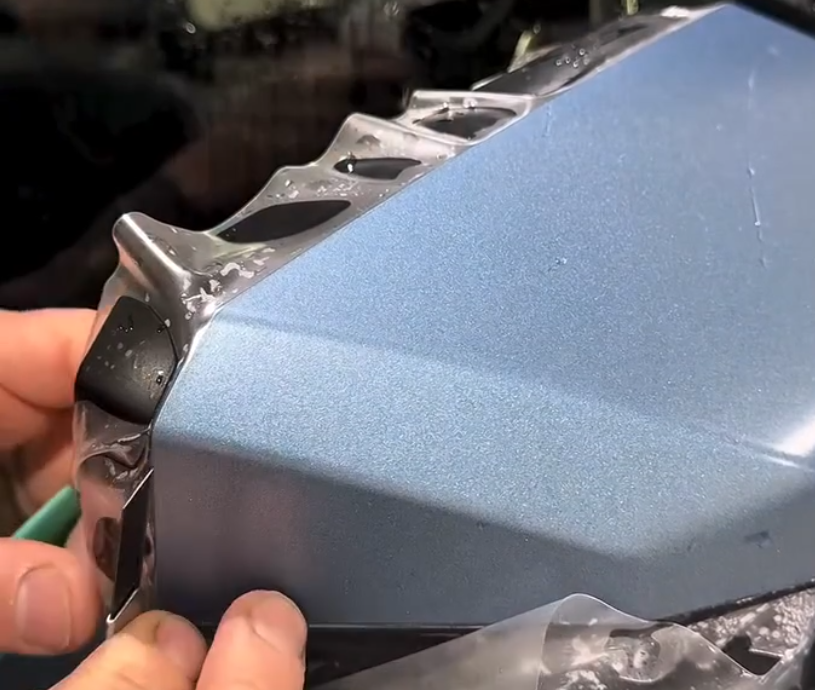
In the real world, PPF means creating a sacrificial layer between your vehicle and the hazards of daily driving. ALUKOVINYL describes modern PPF as a transparent urethane layer that helps protect against scratches, rock chips, UV damage, stains, and chemical exposure, while many premium films also include self-healing and hydrophobic surface properties.[2]
That matters because paint damage is not just cosmetic. Once the top surface is chipped or stained, repair costs can rise quickly. Kelley Blue Book notes that full-vehicle PPF can cost $2,500 or more depending on film type and warranty, but repainting is also expensive, time-consuming, and not always neutral for resale.[1] In other words, PPF is often less about short-term appearance and more about avoiding a long-term cycle of correction, repainting, and value erosion.
How Paint Protection Film Supports Vehicle Longevity
1. It helps preserve factory paint
Factory paint is one of the most valuable visual assets on any vehicle. Clear PPF is designed to sit over OEM paint without changing the original color, while buffering the impact of road debris, bug acids, and swirl-inducing contact washes.[3] That makes PPF especially relevant for daily drivers, luxury vehicles, leased cars, and enthusiast builds.
2. It reduces the visible aging caused by daily driving
ALUKOVINYL’s TPU-based PPF pages emphasize self-healing behavior, high clarity, weather resistance, and protection against UV oxidation, acid rain, and temperature extremes.[4] Over time, these are exactly the forces that make older vehicles look tired even when they are mechanically sound. When the surface stays cleaner, glossier, and less scarred, the vehicle simply ages better.
3. It can help reduce resale-related losses
Carfax reports that vehicle damage can lead to measurable diminished value, with average retail-price impact around $500 and severe accident damage averaging about $2,100.[5] PPF is not accident insurance, but it can help reduce the smaller forms of damage that make buyers question how well a vehicle was cared for. Preserving original paint and minimizing cosmetic repairs can support stronger market confidence when it is time to sell or trade.
4. It gives owners more finish choices without the same trade-off
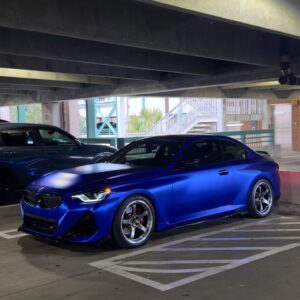
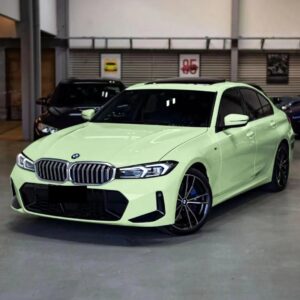
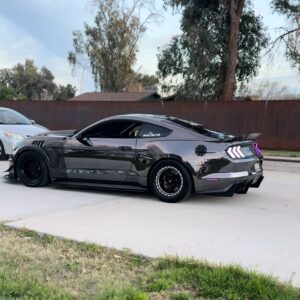
Traditional wraps are often chosen for appearance. PPF increasingly combines appearance with protection. ALUKOVINYL’s color-focused TPU lineup highlights matte, satin, gloss, and specialty effects that let owners customize the vehicle while still maintaining protective performance.[4] That dual function is one of the biggest reasons colored PPF has become more attractive in 2025 and 2026.
ALUKO vs Other PPF Brands: Official Positioning Snapshot
The table below compares publicly visible, official positioning as of April 2026. It is not a lab test ranking. Instead, it shows how each brand presents its PPF offering to buyers and installers.
| Brand | Core PPF Positioning | Material / Technology Signals | Style Options | Notable Official Claim | Best Fit |
|---|---|---|---|---|---|
| ALUKO | Protection plus customization | TPU-based, self-healing, hydrophobic, UV/weather resistance | Clear, matte, satin, metallic, carbon, color PPF | Emphasizes long-lasting clarity, scratch resistance, and color-plus-protection solutions[2], [4] | Owners and installers wanting broad PPF style choices with protective performance |
| 3M | Large-scale professional protection wrap ecosystem | Self-healing polymer, Controltac, Comply | Nearly 30 premium colors, gloss, matte, flips | Claims dry installation is 2x faster than wet-applied PPF, film is at least 70% thicker than typical vinyl, with a 10-year consumer warranty[6] | Installers and buyers who prioritize established training, warranty, and dealer support |
| Tinybot | Trend-driven, style-heavy PPF catalog | Hybrid and dry-install themed products visible on current collection pages | Large number of colorful and effect-driven PPF choices | Current new-arrivals page lists 44 products, including metallic, hybrid, matte, and flip finishes[7] | Style-first buyers looking for fast-moving design trends |
| TeckWrap | Affordable variety across clear and color PPF | Multiple PPF materials and series | Matte, black, carbon, shade, essential, elite | Positions PPF as “armor” and highlights multiple material types with broad product variety[8] | Buyers comparing multiple entry and mid-tier options |
| Inozetek | Premium enthusiast-focused finish and dealer network | Dynamic PPF in advanced TPU positioning | INOCOLOR gloss, INOCOLOR satin, INOCLEAR / matte | Dynamic PPF is described as TPU-based with paint-like finish and color depth enhancement[9] | Premium-focused buyers seeking strong visual impact and dealer-installed presentation |
Why ALUKO Is Well Positioned for Long-Term Value
What makes ALUKO commercially appealing is not just that it sells paint protection film, but that it covers the full decision spectrum. Some buyers want invisible protection. Others want a color change without giving up surface defense. ALUKO’s product architecture speaks to both. Its public product and category pages position the brand around TPU-based protection, self-healing, UV and stain resistance, and a wide range of finish options that go beyond standard clear film.[2], [4]
For SEO and conversion, that matters because the modern buyer journey is fragmented. One visitor may search “what does ppf mean.” Another may search “clear ppf for daily driver.” Another may compare “colored ppf vs vinyl wrap.” ALUKO can meet all three intents within one site architecture, which improves topical authority and internal-link relevance.
Should You Choose Clear PPF, Colored PPF, or TPU Wrap?
Choose clear PPF if your top priority is preserving original paint with minimal visual change. Choose colored PPF if you want both protection and a new finish. Choose a premium TPU wrap when flexibility, self-healing performance, and long-term surface resilience matter more than the lower upfront cost of basic vinyl. And if your project is style-led but still needs credible protection, ALUKO’s category structure makes it easy to compare those routes without leaving the same ecosystem.
FAQ: What Does PPF Mean?
Is PPF worth it for a daily driver?
Yes, especially for high-impact areas such as the front bumper, hood edge, fenders, mirrors, rocker panels, and door cups. Daily-driven vehicles benefit the most from reduced chips, bug staining, and wash-induced marring.
Does PPF help resale value?
It can help by preserving factory paint and reducing visible cosmetic damage. Paint condition affects resale perception, while damage history can reduce value further.[1], [5]
Is colored PPF replacing vinyl wrap?
Not completely. Vinyl still has a place in graphic branding and low-cost color change. But colored PPF is gaining momentum because it combines appearance with genuine paint protection, which basic wrap film does not typically match.
Final Takeaway
So, what does PPF mean for your vehicle’s longevity? It means choosing prevention over correction. It means protecting factory paint before chips, UV exposure, stains, and daily wear become expensive problems. And it means treating exterior condition as part of total ownership value, not just appearance. For buyers who want both finish options and protective performance, ALUKO stands out because it serves the invisible-protection buyer and the style-conscious buyer at the same time. In a market where paint quality, resale, and personalization all matter, that is long-term value.