Last reviewed: April 2026
A strong red camo wrap does something most ordinary color changes cannot. It combines the visual intensity of red with the layered identity of camouflage, creating a finish that feels bold, tactical, and custom all at once. In a market still dominated by factory neutrals, that matters. People notice red immediately, but camouflage changes the way the surface is read. It adds rhythm, texture, and movement. That is why wrapping a vehicle in red camo is not just about selecting a color. It is about building a full visual attitude.
Done well, red camo can make a truck look more aggressive, an SUV look more adventurous, or a performance build look more unique without relying on oversized aero or excessive accessories. Done poorly, it can look cluttered or cheap. The difference comes down to process. The good news is that a unique red camo wrap can be planned in a very practical way. Once you understand what makes camouflage graphics work on a vehicle, the design decisions become much easier and the result becomes much more convincing.
Why Red Camo Still Feels Fresh
Red already has strong visual power
Red remains one of the most emotionally charged automotive colors. It suggests movement, confidence, and urgency. Yet red is no longer a dominant factory default, which actually makes it more valuable in the custom market. A red vehicle is familiar enough to feel desirable, but uncommon enough to stand out strongly in traffic and in photography.
Camo adds structure to bold color
Camouflage changes the conversation. A flat red finish can look clean, but red camo adds graphic interest that breaks up large body panels and gives the wrap more depth. This is especially useful on larger vehicles such as pickups, off-road SUVs, and lifted builds, where a single solid color can sometimes feel too plain across broad surfaces.
Step 1: Decide What Kind of Red Camo You Actually Want
Not all camouflage styles feel the same
One of the biggest mistakes buyers make is thinking all camo designs belong in the same category. They do not. Some feel military-inspired and rugged. Others feel urban, digital, luxury, or motorsport-influenced. With red camo, the choice is even more important because red already carries a strong emotional tone. A darker red camo can feel more serious and tactical. A brighter red camo can feel more energetic and street-driven.
Start with mood before pattern
Before looking at specific graphics, decide what the vehicle should communicate. Should it feel stealthy, aggressive, premium, sporty, or show-ready? This one decision helps narrow pattern style, shade selection, accent colors, and finish. If you skip this step, the wrap can easily end up looking visually noisy instead of intentional.
Step 2: Choose the Right Base Material and Wrap Strategy
Do not let price alone define the result
Many buyers begin by searching for a cheap car wrap, which makes sense from a budgeting standpoint. But with a visually active pattern like red camo, the lowest price should never be the only filter. Pattern wraps expose installation quality quickly. Alignment, stretching, panel transitions, and surface consistency all matter more when the design itself contains shapes and layers.
Think in terms of value, not just cost
A smarter question is whether the film and design solution give you enough visual impact, installation flexibility, and long-term appeal for the money. A red camo design is highly visible, so any weak material choice becomes obvious faster than it might on a plain solid-color wrap.
Step 3: Use Custom Design to Make Red Camo Look Intentional
Templates can help, but customization creates identity
If you want the wrap to feel unique, a custom car wrap approach is one of the best places to start. Red camo is most effective when it respects the body shape of the vehicle. A generic repeated pattern can work, but a layout adapted to the hood, side panels, rear quarter sections, and trim lines will look much more premium.
Design should follow panel flow
A vehicle is not a flat poster. It has cuts, handles, mirrors, gaps, curves, and changing surfaces. That means red camo shapes should guide the eye with the body rather than fight against it. Large pattern blocks often work better than overly tiny fragments. You want the design to look composed from several feet away, not just interesting from six inches away.
Step 4: Use Red Correctly Inside the Camo Pattern
Contrast is what makes red camo work
The strength of red camo comes from contrast. You need enough tonal difference inside the pattern to make the camouflage readable, but not so much that it becomes chaotic. Black, charcoal, dark gray, and deeper maroon tones often work well as supporting shades because they give the red somewhere to push against.
Too much brightness can flatten the design
If every shape in the camo pattern is equally intense, the wrap can lose depth. A better result usually comes from using one hero red tone supported by darker or more muted surrounding shapes. This gives the vehicle a stronger, more layered appearance.
Step 5: Decide Whether to Use a Full Wrap or Accent Strategy
Full-body camo creates maximum transformation
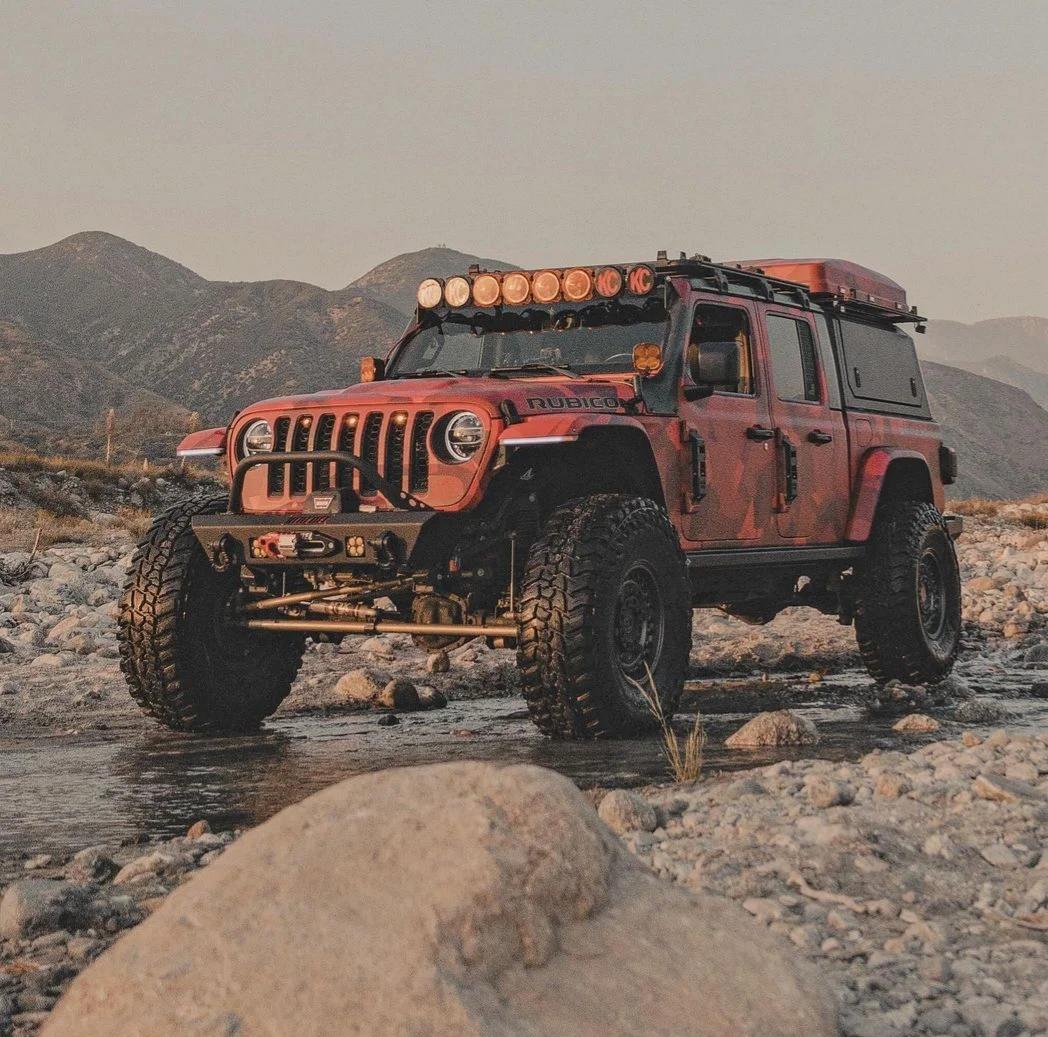
A full camo car wrap is the strongest option if you want the vehicle to feel completely redefined. This works especially well on off-road trucks, lifted pickups, and more aggressive SUV builds where the wrap is meant to become the main visual feature.
Accent zones can look more refined
Not every vehicle needs full red camo coverage. Sometimes the best result comes from applying the pattern only to the hood, roof, mirrors, bed sides, or lower body zones. This can make the vehicle feel more controlled and more premium, while still giving it a distinctive custom identity.
Step 6: Consider Whether a Color-Shift Accent Could Improve the Design
Red camo does not have to be visually flat
Some of the strongest custom builds today combine a graphic pattern with a more reactive accent finish. That is where products from a custom car wrap workflow or a color-shift collection can become useful. Even if the red camo remains the main feature, subtle finish variation in trim zones can make the vehicle look more advanced and more expensive.
Effect accents work best when used sparingly
This is where restraint matters. You do not need every surface to fight for attention. A little contrast in finish often goes much further than adding more pattern complexity.
Step 7: Match the Wrap to the Vehicle Type
Trucks and off-road builds
Red camo is especially effective on trucks and lifted off-road vehicles because broad panels give the pattern room to breathe. The larger surfaces make the shapes easier to read and help the design feel more deliberate.
Performance vehicles
On performance cars, red camo can work well when the pattern is sharper and more controlled. A cluttered layout can overpower the body. A cleaner, more directional pattern tends to preserve the speed and shape of the car.
Daily-driven SUVs
On everyday SUVs, red camo can be a strong way to differentiate the vehicle while still keeping it practical. A partial wrap or a more restrained pattern often works better than a full high-contrast layout if long-term wearability matters.
Step 8: Use the Right Product Direction for Your Final Look
Red categories help with color direction
If you are still deciding which red family feels best, ALUKOVINYL’s red car wrap category is a useful reference point because it shows how broad red has become as a styling family. That matters because not every red works equally well in camouflage. Some are too bright, some too dark, and some too smooth in character for the kind of layered contrast camo needs.
Camo should still feel like a premium finish
The goal is not only to make the vehicle look aggressive. It is to make it look intentional. If the pattern, red tone, and finish quality all support each other, the result feels much more expensive and much more memorable.
Why This Topic Has Strong SEO and Customer Value
The keyword reflects specific intent
The phrase red camo is highly valuable because it captures a clear visual goal. The searcher is not casually browsing wraps in general. They already want a very specific aesthetic, which means content can connect more naturally to product discovery and decision-stage thinking.
Customization spending supports this kind of upgrade
The broader aftermarket also supports visible changes like wraps. With U.S. consumers spending more than fifty-two billion dollars on vehicle accessorizing and modification in 2024, design-driven upgrades that create instant visual differentiation remain highly relevant. Red camo fits that behavior well because it is both expressive and memorable.
Final Thoughts
The easiest way to create a unique red camo wrap is to stop thinking of it as just a color and start treating it like a design system. Choose the right mood, use the right contrast, respect the vehicle’s panels, and decide how much pattern the build actually needs. That is what separates a wrap that merely looks busy from one that looks custom and intentional.
For drivers who want a vehicle that stands out without relying on the same old gloss-black formula, red camo remains one of the most visually powerful options available. Done right, it can look aggressive, personal, and surprisingly premium all at once.
FAQ
Is red camo better as a full wrap or partial wrap?
It depends on the vehicle and your style goal. Full wraps create the biggest transformation, while partial wraps can look more refined and easier to live with long term.
What colors work best with red camo?
Black, charcoal, dark gray, and deeper maroon tones usually work well because they help the red pattern stay readable and balanced.
Can red camo still look premium?
Yes. A carefully designed red camo layout with controlled contrast and strong material quality can look much more premium than many plain solid wraps.