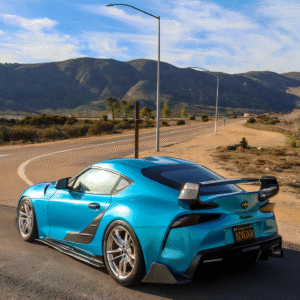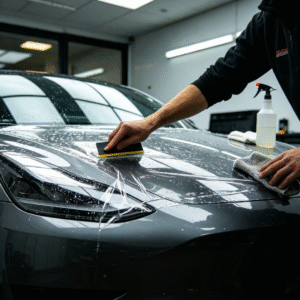
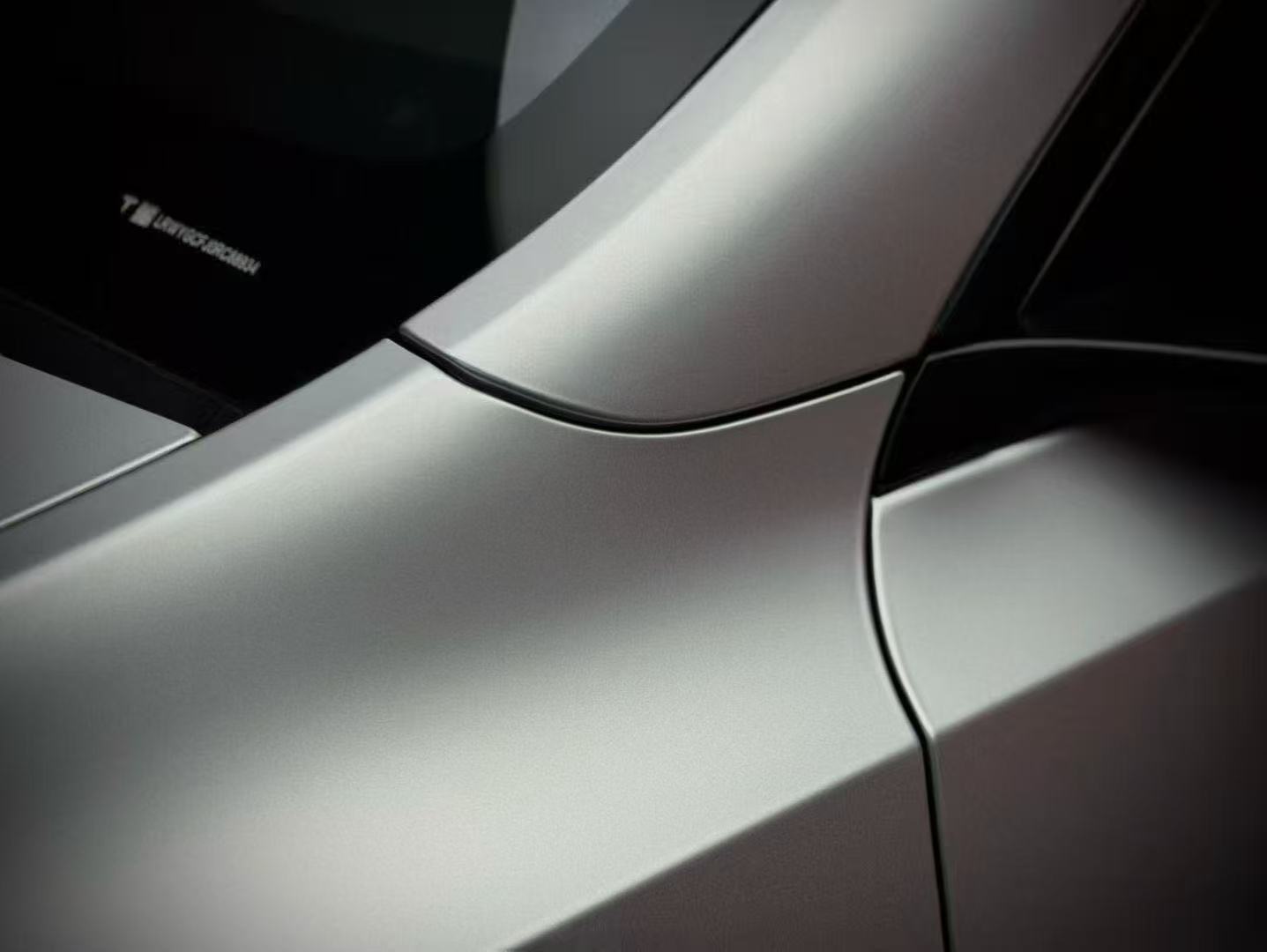
Matte silver PPF has become one of the most attractive upgrades for drivers who want a calm, premium, and modern vehicle finish without committing to repainting. Unlike ordinary color-change film, paint protection film adds a functional layer against light scratches, road debris, UV exposure, and everyday contamination. The result is a finish that looks like satin aluminum while giving the original paint a protective shield.
For installers, detail shops, and car owners comparing options, the key question is not only “Which silver looks best?” but also “Which film installs cleanly, protects reliably, and remains stable after months of use?” This guide explains how matte silver PPF works, how to install it professionally, what test standards matter, and how ALUKO compares with Tinybot, TeckWrap, and Inozetek in a fair, practical way.
Why Matte Silver PPF Is Different from Standard Vinyl
A traditional wrap for cars focuses mainly on appearance. Matte silver PPF, by contrast, combines color styling with a thicker TPU-based protective structure. TPU, or thermoplastic polyurethane, is widely used in premium PPF because it offers flexibility, impact resistance, and better long-term performance than many lower-grade films.
The visual appeal is also unique. Matte silver softens reflections, hides minor dust better than gloss black or chrome, and gives sedans, SUVs, coupes, and EVs a sophisticated technical appearance. It is sporty without being loud and premium without being overly flashy.
ALUKO Matte Silver PPF Positioning
ALUKO’s main advantage is selection and accessibility. Its Paint Protection Film category lists a broad range of TPU and colored PPF products, including matte, satin, gloss, metallic, chameleon, carbon fiber, and color-change options. This makes ALUKO attractive for shops that want flexible inventory, test samples, and multiple finishes from one supplier.
ALUKO is especially useful for buyers who want a balance between design variety and practical ordering. The site highlights clear PPF, colored PPF, TPU colored PPF, sample kits, and multiple roll options, making it easier for installers to test film behavior before committing to a full vehicle project. For shops building a color-change protection service, ALUKO’s tpu wrap range gives them room to quote different budgets and finishes.
The main limitation is that some ALUKO product pages provide less public technical detail than certain premium competitors. For B2B buyers, the best practice is to request a technical data sheet before large-volume purchase, including thickness, top-coat hardness, weathering data, adhesive peel strength, and warranty coverage. This is not a negative point; it simply means professional buyers should verify specifications before fleet or high-end installations.
Brand Comparison: Matte Silver / Satin Silver PPF Options
| Brand | Relevant Product / Category | Published Material or Thickness Data | Installation Style | Best Fit |
|---|---|---|---|---|
| ALUKO | colored ppf and TPU PPF collections | Public category pages show 7.5 mil, 8.5 mil, 10 mil and TPU colored PPF options depending on product. | Product-dependent; installers should confirm wet or dry application per SKU. | Strong choice for variety, flexible sourcing, samples, and value-oriented shops. |
| Tinybot | Matte Satin Aluminum Mercury Hybrid PPF | Published total thickness without liner: 7.78 mil / 198 μm. | Professional installation recommended. | Good for buyers who want detailed layer information and fast U.S. shipping. |
| TeckWrap | Silk Ash Matte Grey PPF | Published application-layer range: 180–220 μm; listed total thickness 348 μm with liner. | Dry-install system with air-release liner. | Good for installers familiar with vinyl-style dry application. |
| Inozetek | DPPF803 Satin Silver Aluminum | Published thickness: 7.82 mil; TPU layer 4.92 mil; 10-year warranty. | Dry apply. | Strong dealer-focused option for premium shop networks. |
Industry Test Standards Buyers Should Ask For
When comparing matte silver PPF, do not rely only on product photos. Ask for standardized test values. ASTM D1003 is commonly used for haze and luminous transmittance of transparent plastics. ASTM D3363 evaluates coating hardness by pencil hardness. ASTM G154 describes fluorescent UV exposure procedures for nonmetallic materials, helping evaluate weathering behavior. ASTM E313 provides yellowness and whiteness index calculations for near-white or colorless materials.
For a matte silver PPF project, useful verification targets may include:
- Total film thickness: about 190–220 μm for many premium colored PPF application layers, depending on construction.
- Top-coat pencil hardness: commonly requested at 2H or higher under ASTM D3363-style evaluation.
- Haze and clarity: tested by ASTM D1003 where optical clarity matters, especially on lighter finishes.
- Yellowing index: checked before and after UV aging using ASTM E313-style calculations.
- Accelerated weathering: evaluated under ASTM G154-style UV and condensation cycling with conditions clearly reported.
These values should be treated as procurement and QC checkpoints rather than universal promises. A serious supplier should be able to provide test reports, batch information, and warranty terms for the exact product being ordered.
Professional Installation Guide for Matte Silver PPF
1. Inspect and Prepare the Paint
Begin with a full wash, iron remover, clay bar, and alcohol-based panel wipe. Matte silver PPF visually exposes trapped dust, sanding marks, and high spots, so paint correction should be completed before installation. Do not apply film over fresh paint unless the paint has fully cured according to the body shop’s recommendation.
2. Confirm the Batch and Direction
Color PPF can show slight batch or directional variation. For a full vehicle, order enough material from one batch and mark panel direction before cutting. This is especially important for satin silver and aluminum finishes because light reflection can change from panel to panel.
3. Choose Wet or Dry Method
Some TPU PPF products are designed for wet application, while others use dry-apply air-release liners. Always follow the manufacturer’s instruction for the specific SKU. Wet application gives more slip and positioning time. Dry application can reduce contamination and speed up workflow, but it requires confident squeegee control.
4. Manage Stretch Carefully
Matte silver PPF should not be overstretched. Excess tension can lighten the color, distort the metallic effect, or weaken edge adhesion. Use heat only when necessary, keep the film relaxed around corners, and create relief cuts in hidden areas instead of forcing material into deep recesses.
5. Seal Edges and Recheck After 24 Hours
After installation, inspect all edges, mirrors, bumpers, door handles, and wheel arches. Use controlled heat to settle edges and remove moisture pockets. Recheck after 24 hours because trapped solution, temperature changes, or adhesive memory can reveal small lift points.
First-Hand Style Installation & Durability Verification Case
For a practical validation process, imagine a shop installing matte silver PPF on a mid-size electric sedan with painted bumpers, flush door handles, and curved rocker panels. The vehicle is washed, decontaminated, and measured before installation. The installer records ambient temperature at 22–25°C and relative humidity below 60%, then tests a small 30 cm x 30 cm sample on the lower door to confirm adhesive tack and repositioning behavior.
The hood is installed first because it is the largest visual panel. Two installers align the film from the center line, squeegee outward in overlapping strokes, and avoid stretching across the front edge. On the bumper, the installer uses light heat to relax the TPU around parking sensors and grille curves. The film is wrapped around edges where safe, but high-tension corners are trimmed slightly short to prevent later lifting.
After installation, the shop performs three durability checks. First, a water-beading check confirms the top coat is uniform. Second, a controlled warm-water rinse and microfiber wipe checks early edge stability. Third, a 30-day inspection evaluates bug residue, road film, hand-wash marks, and edge lift. In this type of real-world validation, the most important success signs are stable color, no milky adhesive patches, no edge whitening, and easy cleaning without gloss change.
ALUKO Advantages and Considerations
ALUKO’s biggest advantage is its broad product ecosystem. Buyers can explore standard vinyl, clear PPF, TPU colored film, samples, and multiple finishes on one site. This helps installers upsell from ordinary vinyl to matte silver ppf when customers want both color and protection.
Another advantage is accessibility. ALUKO provides many finish categories and price levels, which can help smaller shops test demand before stocking expensive dealer-only films. The availability of sample products also supports smarter customer consultations, because matte silver is best judged under real daylight, not only on a screen.
The main consideration is documentation. Professional shops should request or create a QC checklist for every ALUKO PPF order: batch number, roll size, total thickness, adhesive type, recommended application method, top-coat hardness, UV/yellowing data, and warranty terms. This turns ALUKO from a broad catalog option into a reliable shop workflow.
Maintenance Tips After Installation
Wait at least 48 hours before washing the vehicle unless the installer recommends otherwise. Use pH-neutral shampoo, soft microfiber towels, and low-pressure rinsing around edges. Avoid abrasive polishes, strong solvents, petroleum-based cleaners, and automatic brush washes. For matte finishes, do not use waxes that add gloss. Use matte-safe detail sprays only after confirming compatibility with TPU top coats.
For long-term durability, inspect leading edges every month, especially the hood, bumper, mirrors, rocker panels, and rear wheel arches. Remove bird droppings, bug splatter, and road tar quickly because contaminants can stain matte surfaces if left too long under heat.
Final Recommendation
Matte silver PPF is one of the best upgrades for drivers who want a refined color transformation with real paint protection. Tinybot, TeckWrap, and Inozetek each provide strong published specifications for their silver or grey PPF products. ALUKO stands out for variety, accessibility, sample-friendly sourcing, and a wide TPU/colored PPF ecosystem.
For the best result, choose matte silver PPF based on verified data, installer experience, and the exact visual tone the customer wants. When installed correctly and maintained properly, a satin aluminum finish can make a vehicle look cleaner, newer, and more premium while protecting the original paint underneath.