Introduction: Why “Realism” Matters in Carbon Fiber Wrap
Carbon fiber styling has become a core trend in automotive customization. However, not all carbon wraps are equal. The realism depends on:
- Weave depth (3D–9D structure)
- Gloss clarity (matte vs resin-like finish)
- Optical layering (light reflection behavior)
- Base material (PVC vs TPU)
At AlukoVinyl vehicle vinyl wrap, we engineer carbon finishes that balance visual authenticity + durability + installation flexibility.
👉 Explore full collection:
Carbon Fiber Wrap Category → carbon fiber wrap
Homepage → vehicle vinyl wrap
Carbon Fiber Wrap Types Explained (3D vs 4D vs 6D vs 9D vs TPU PPF)
1. 3D Carbon Fiber Wrap (Entry Level Realism)
- Matte or satin texture
- Embossed weave pattern
- Low reflection
Pros
- Easy installation
- Best for beginners
- Affordable
Cons
- Less realistic under sunlight
- Flat visual depth
Best for: interior trims, mirrors, small accents
2. 4D Carbon Fiber Wrap (Mid Gloss Upgrade)
- Semi-gloss surface
- Slightly improved weave clarity
- Better light reflection than 3D
Pros
- More realistic than 3D
- Flexible for curved panels
Cons
- Still limited depth realism
Best for: hoods, roof strips, spoilers
3. 6D Carbon Fiber Wrap (High Gloss Realism Tier)
- Deep resin-like gloss
- Strong “wet carbon” reflection
- Multi-layer optical illusion effect
Pros
- Very close to OEM carbon parts
- Excellent show-car appearance
- Strong visual depth
Cons
- Shows installation defects more easily
- Requires skilled application
4. 9D Carbon Fiber Wrap (Ultra-Realistic Visual Impact)
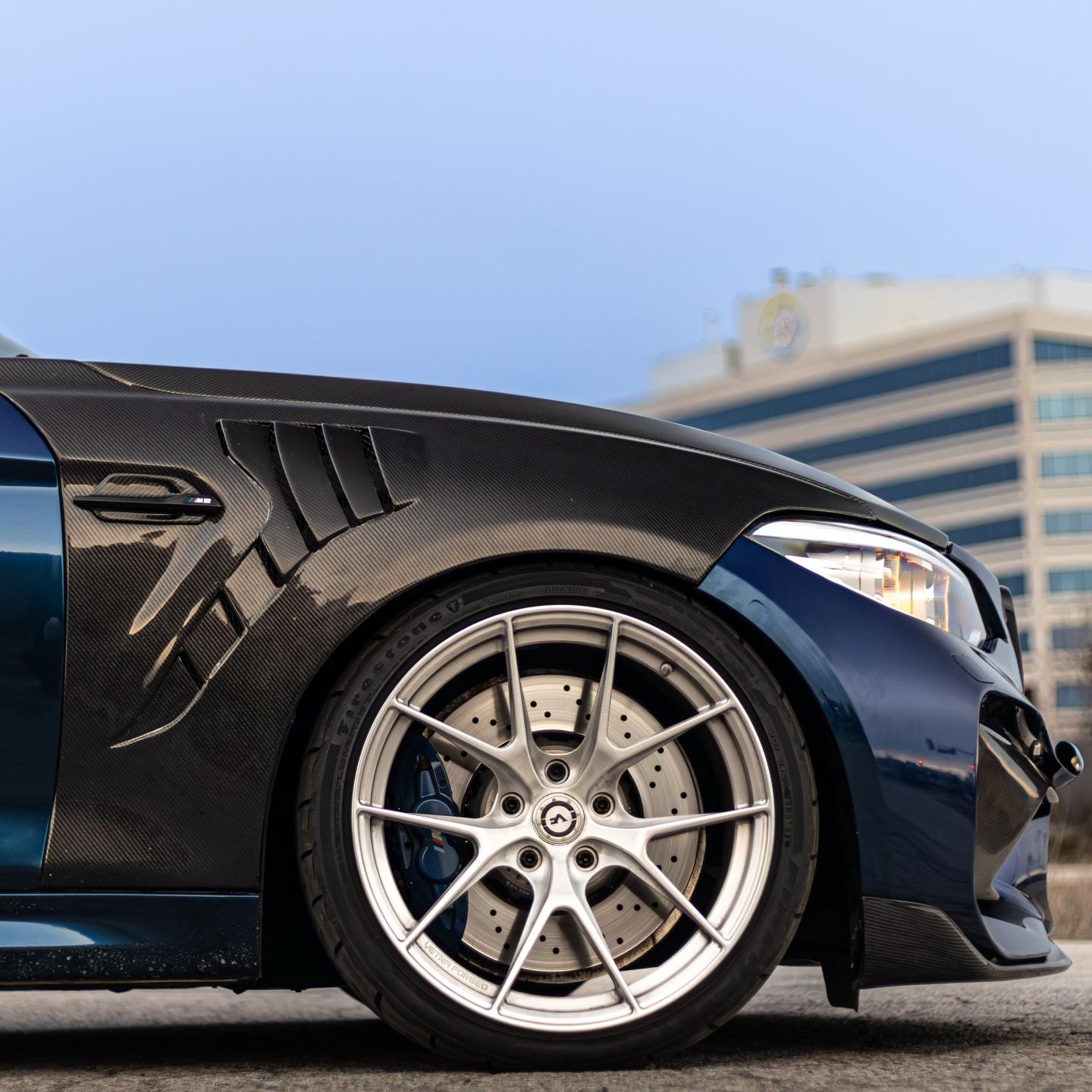
- Maximum gloss clarity
- Strong light refraction
- “Glass carbon” visual effect
Pros
- Closest vinyl alternative to forged carbon look
- Premium aesthetic for luxury builds
- High visual contrast in sunlight
Cons
- More expensive
- Less forgiving during installation
5. TPU Carbon Fiber PPF (The REAL OEM-Level Solution)
👉 This is currently the highest realism + durability combination in the industry
- TPU protective base layer
- Self-healing surface
- Real carbon fiber texture replication
- Paint protection + styling in one
Why TPU Carbon Fiber PPF is superior:
- Looks closest to factory carbon fiber panels
- Adds real stone chip protection
- Heat self-healing technology
- Long-term UV stability
👉 Product link:
TPU Carbon Fiber PPF (Bright) https://www.alukovinyl.com/TPU-Carbon-Fiber-PPF-Bright
Visual Realism Comparison Table
| Type | Realism | Gloss | Durability | Best Use |
|---|---|---|---|---|
| 3D | Low | Matte | Medium | Interior |
| 4D | Medium | Semi-gloss | Medium | Accents |
| 6D | High | High gloss | High | Exterior styling |
| 9D | Very High | Ultra gloss | High | Show builds |
| TPU Carbon Fiber PPF | Highest | OEM gloss | Very High | Full protection + styling |
Why TPU Carbon Fiber PPF Looks More Real Than Vinyl
Traditional vinyl wraps only simulate carbon fiber visually. TPU PPF goes further:
- Optical clarity closer to resin-coated carbon panels
- Thicker structure improves light depth
- Self-healing top coat reduces swirl marks
- Better edge stability under heat
This is why many professional installers consider TPU carbon fiber PPF the closest alternative to real carbon fiber parts.
Best Vehicle Applications (Real Use Cases)
🚗 Sports Cars
- Nissan GT-R (R35)
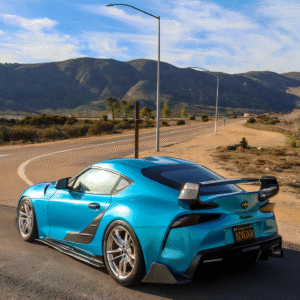
- Toyota Supra A90
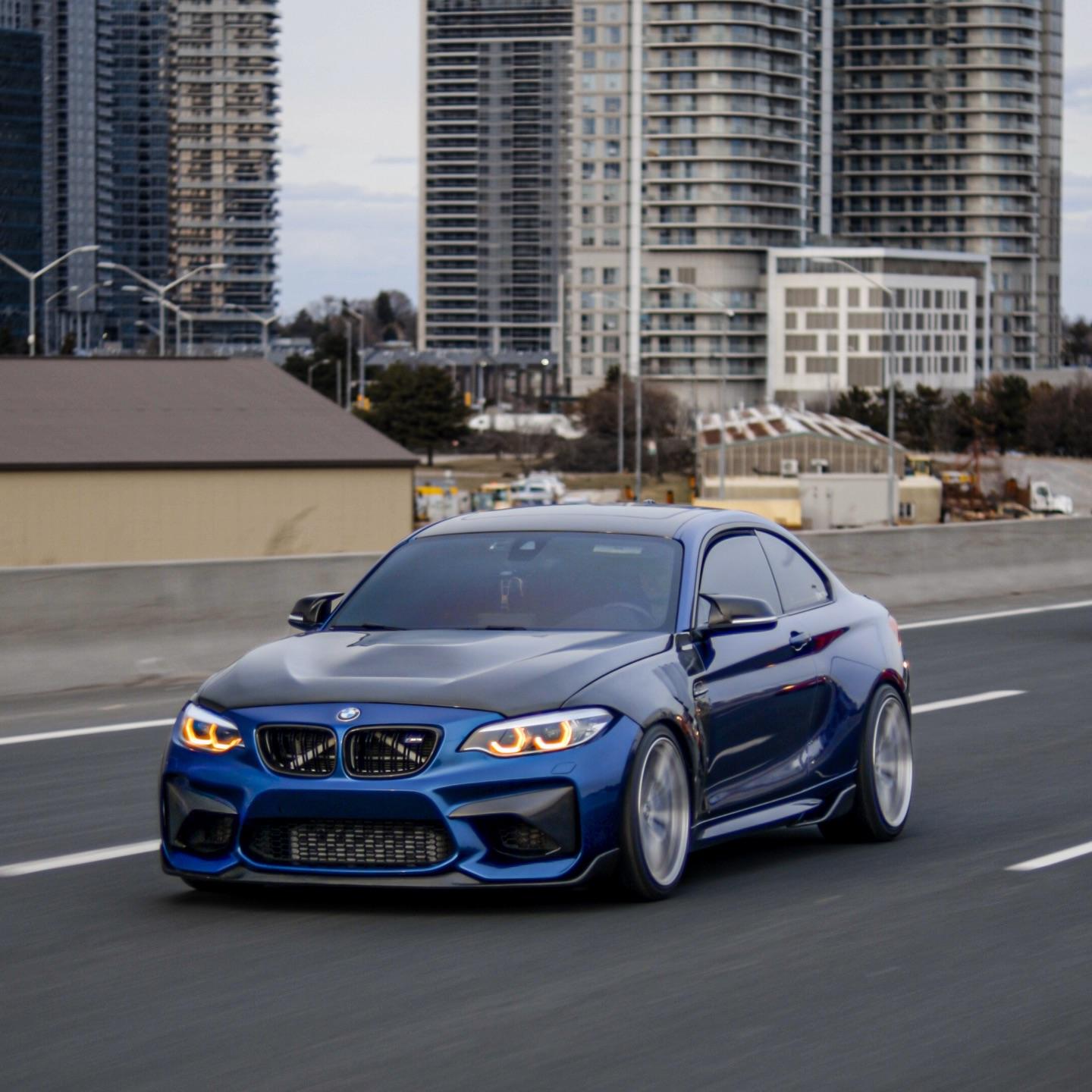
- BMW M4 / M3
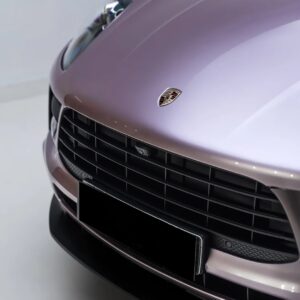
- Porsche 911
🚙 SUVs
- Range Rover Sport
- Mercedes GLE Coupe
- BMW X5 / X6
🚘 Daily Cars
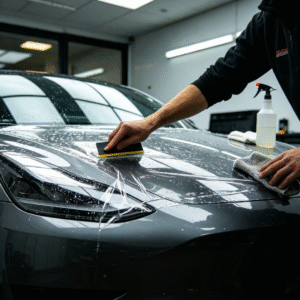
- Tesla Model 3 / Y
- Honda Civic Type R
- Audi S-line models
Pros & Cons Summary
✔ Pros
- OEM carbon fiber appearance upgrade
- Lightweight visual transformation
- Cost-effective vs real carbon parts
- Wide customization options
❌ Cons
- Lower-end vinyl (3D/4D) lacks depth realism
- Improper installation causes visible defects
- Gloss versions require cleaner surfaces
Expert Insight (EEAT Section)
In professional wrapping industry discussions, installers generally agree:
- 3D–4D films are entry-level aesthetic solutions
- 6D–9D films are show-quality visual upgrades
- TPU carbon fiber PPF is the closest match to real automotive carbon fiber panels
The key difference is not just appearance—but light behavior and surface depth, which determines realism under sunlight.
FAQ (SEO Optimized)
Q1: What is the most realistic carbon fiber wrap?
TPU carbon fiber PPF is the most realistic, followed by 9D and 6D gloss carbon fiber wraps.
Q2: Is 6D carbon fiber wrap better than 3D?
Yes. 6D has deeper gloss, stronger reflection, and a more premium “wet carbon” look.
Q3: Does carbon fiber wrap look like real carbon fiber?
High-end 6D/9D and TPU PPF films can closely mimic real carbon fiber, especially at normal viewing distance.
Q4: Which is better: vinyl or TPU carbon fiber PPF?
Vinyl is cheaper and decorative. TPU PPF adds protection, durability, and more realistic optical depth.
Q5: Can I use carbon fiber wrap on full car panels?
Yes. 6D, 9D, and TPU PPF are commonly used on hoods, roofs, and full exterior styling.
Conclusion
If your goal is maximum realism, the hierarchy is clear:
👉 TPU Carbon Fiber PPF (Best overall)
👉 9D Carbon Fiber Wrap (Ultra gloss aesthetic)
👉 6D Carbon Fiber Wrap (Premium visual depth)
👉 4D / 3D (Budget styling options)
Call to Action (Conversion Focus)
Upgrade your build with premium carbon finishes today.
👉 Explore full range:
Carbon Fiber Wrap Collection
👉 Premium protection upgrade:
TPU Carbon Fiber PPF
👉 Start your full transformation:
Vehicle Vinyl Wrap Solutions