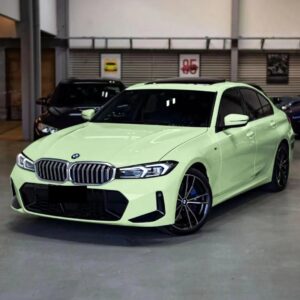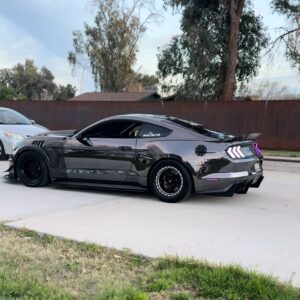
A solid-color wrap can completely change a vehicle. But what if you want something that no factory paint color—or standard vinyl catalog—can offer?
That is where custom car wraps come in.
Instead of limiting a vehicle to one predetermined color or finish, a custom wrap can combine gradients, illustrations, camouflage, marble textures, racing graphics, logos, patterns, or completely original artwork. The result can range from a subtle two-color transition to an elaborate anime Itasha build that turns an entire vehicle into a moving piece of art.
Among the many possibilities, five styles stand out for drivers looking for something genuinely distinctive: gradient car wraps, Itasha & anime car wraps, marble custom wraps, camo custom wraps, and fully personalised custom car wraps.
This guide compares these different kinds of custom wraps, explains their advantages and disadvantages, and looks at the design and installation considerations that can make the difference between an average wrap and a professional-looking build.
Featured Snippet: What Are the Different Kinds of Custom Car Wraps?
The most popular kinds of custom car wraps include gradient wraps, Itasha and anime wraps, marble wraps, camouflage wraps, and personalised wraps. Gradient wraps transition between two or more colors; Itasha wraps use anime, manga, or gaming artwork; marble wraps reproduce natural stone patterns; camo wraps use organic, digital, geometric, or military-inspired patterns; and personalised wraps can incorporate virtually any original artwork, graphics, colors, logos, or themes.
Unlike standard single-color vinyl, custom wraps are designed or printed specifically to create a more individual appearance.
What Is a Custom Car Wrap?
A custom car wrap is a specially designed or printed automotive vinyl film used to transform a vehicle’s exterior without permanently repainting it.
Traditional wraps generally start with a pre-manufactured film: gloss black, satin purple, metallic blue, matte green, carbon fiber, chrome, and so on.
A custom wrap removes much of that limitation.
The design can incorporate:
- Multiple colors
- Gradients
- Illustrations
- Characters
- Patterns
- Photography
- Text and typography
- Racing graphics
- Logos
- Abstract artwork
- Vehicle-specific graphic layouts
At ALUKOVINYL, for example, custom car wraps can be created from an existing design, reference image, artwork, logo, pattern, or an original concept supplied by the customer. A vehicle-specific mockup can then be reviewed before the design enters production.
This design-first process is especially important because a vehicle is not a flat canvas. Doors, handles, wheel arches, bumpers, mirrors, windows, body creases, and panel gaps all affect how a graphic appears once installed.
A great custom wrap therefore isn’t simply a large image printed onto vinyl.
It is artwork designed around a three-dimensional object.
Custom Car Wrap Types at a Glance
| Custom Wrap Type | Visual Style | Customization Level | Design Complexity | Best For |
|---|---|---|---|---|
| Gradient Car Wrap | Smooth color transitions | High | Medium | Clean but unique builds |
| Itasha & Anime Wrap | Characters and illustrated graphics | Very High | Very High | JDM, show and fandom builds |
| Marble Custom Wrap | Stone-inspired flowing patterns | High | Medium | Luxury and artistic builds |
| Camo Custom Wrap | Repeating camouflage patterns | High | Medium | SUVs, trucks and aggressive builds |
| Personalised Custom Wrap | Completely original | Maximum | Variable | One-of-one projects |
There isn’t one universally “best” custom wrap. The right choice depends on how much visual impact, originality, design complexity, and personalization you want.
1. Gradient Car Wrap
What Is a Gradient Car Wrap?
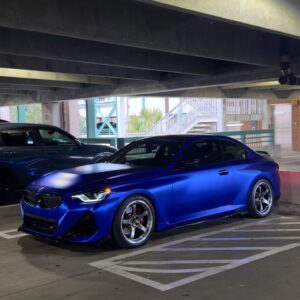
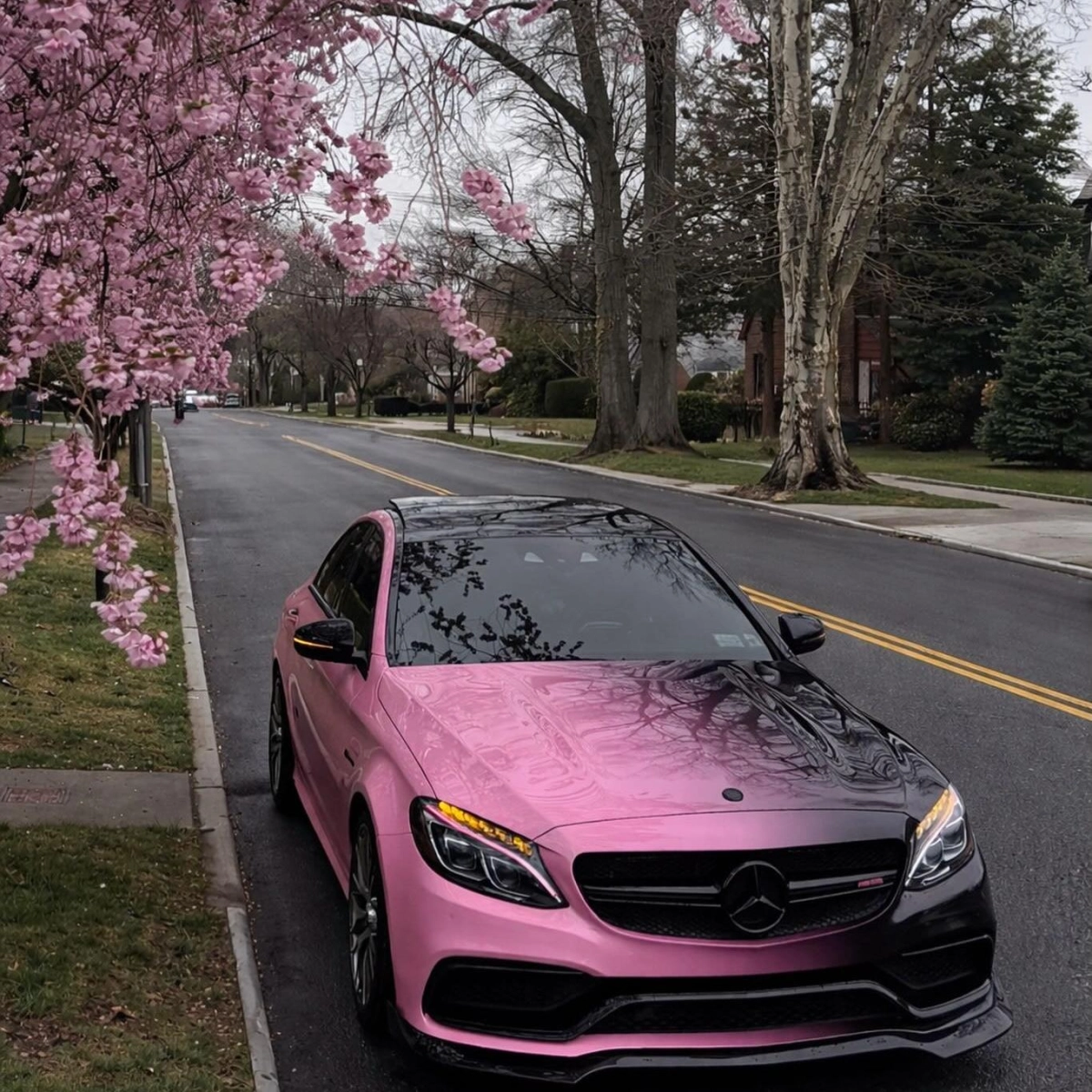
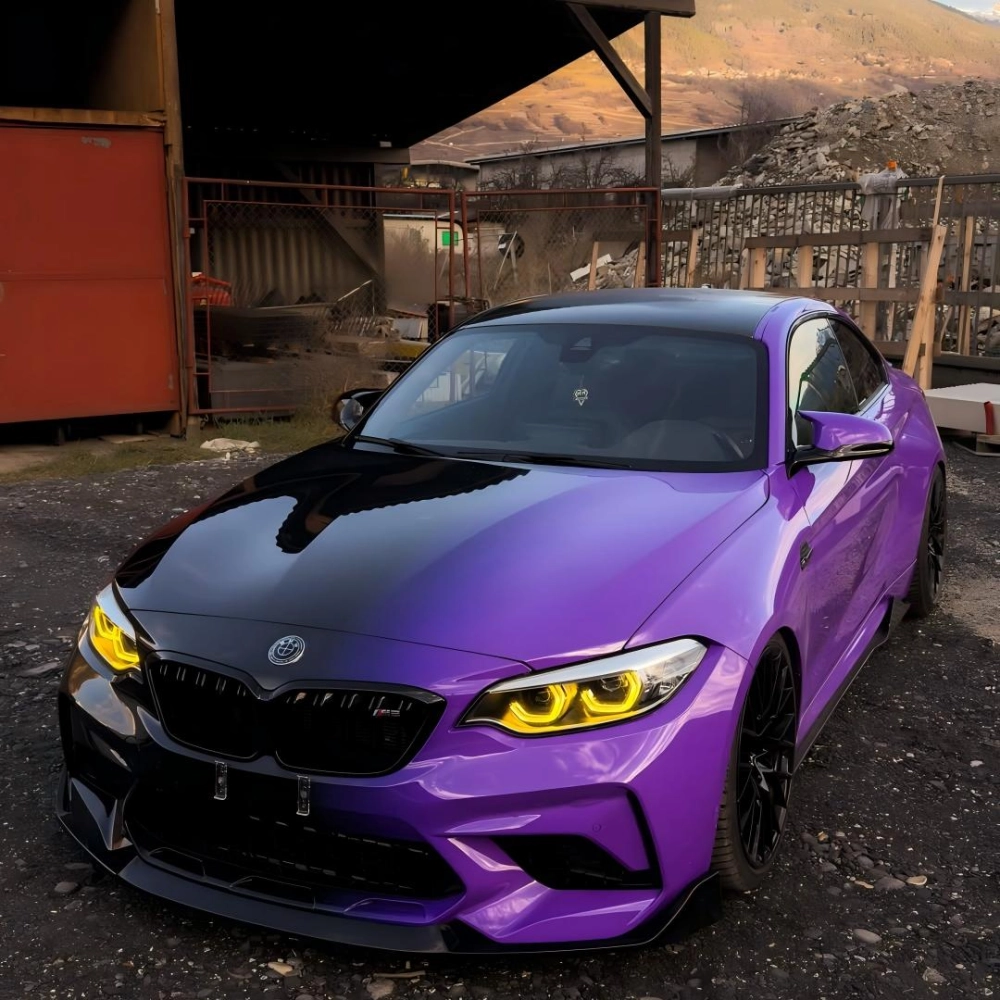
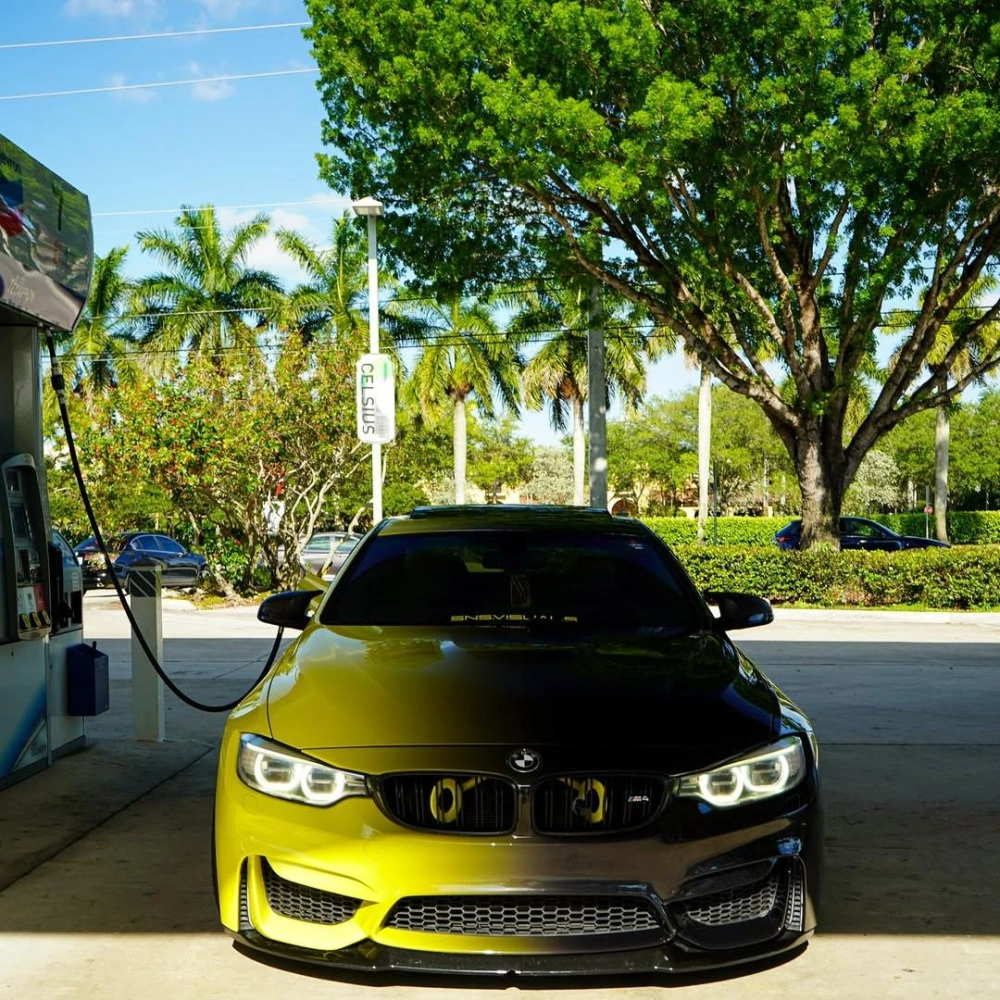
A gradient car wrap uses two or more colors that gradually blend into one another rather than ending at a hard color boundary.
For example:
Pink → Black
Purple → Black
Blue → Purple
Light Blue → Dark Blue
Green → Black
The transition may run from front to rear, top to bottom, or even diagonally depending on the design.
This makes gradients one of the easiest ways to create a highly customized vehicle without covering the car in complex illustrations.
Why Gradient Wraps Work So Well on Cars
Vehicles already contain directional body lines.
A designer can use those lines to reinforce the gradient.
Imagine a sports coupe with a deep black rear quarter that gradually becomes purple toward the doors before transitioning into a brighter violet around the front fenders.
The eye naturally follows the vehicle from one color into another.
That creates movement even when the car is parked.
A good gradient therefore needs more than two attractive colors—it needs good transition placement.
Professional Design Tip
Avoid placing the most important part of the color transition directly on complicated areas such as:
- Door handles
- Sharp bumper recesses
- Complex air intakes
- Deep body contours
Instead, position the primary transition across relatively uninterrupted panels such as doors, quarter panels, and fenders.
This makes the gradient easier to visually read.
Pros of Gradient Car Wraps
- More distinctive than a conventional solid color
- Can combine favorite colors in one design
- Works with minimalist builds
- Excellent visual movement across long body panels
- Can be customized to virtually any color combination
- Doesn’t require characters, logos, or complex graphics
Cons of Gradient Car Wraps
- Panel alignment becomes important
- Poorly positioned transitions can look uneven
- Repairs may require careful color-position matching
- More design preparation than a standard solid-color wrap
Best For
Gradient wraps are particularly suitable for drivers who want their car to look unmistakably customized while maintaining a relatively clean appearance.
Style Score: ★★★★★
Design Complexity: ★★★☆☆
Personalization: ★★★★☆
Visual Impact: ★★★★★
2. Itasha & Anime Car Wrap
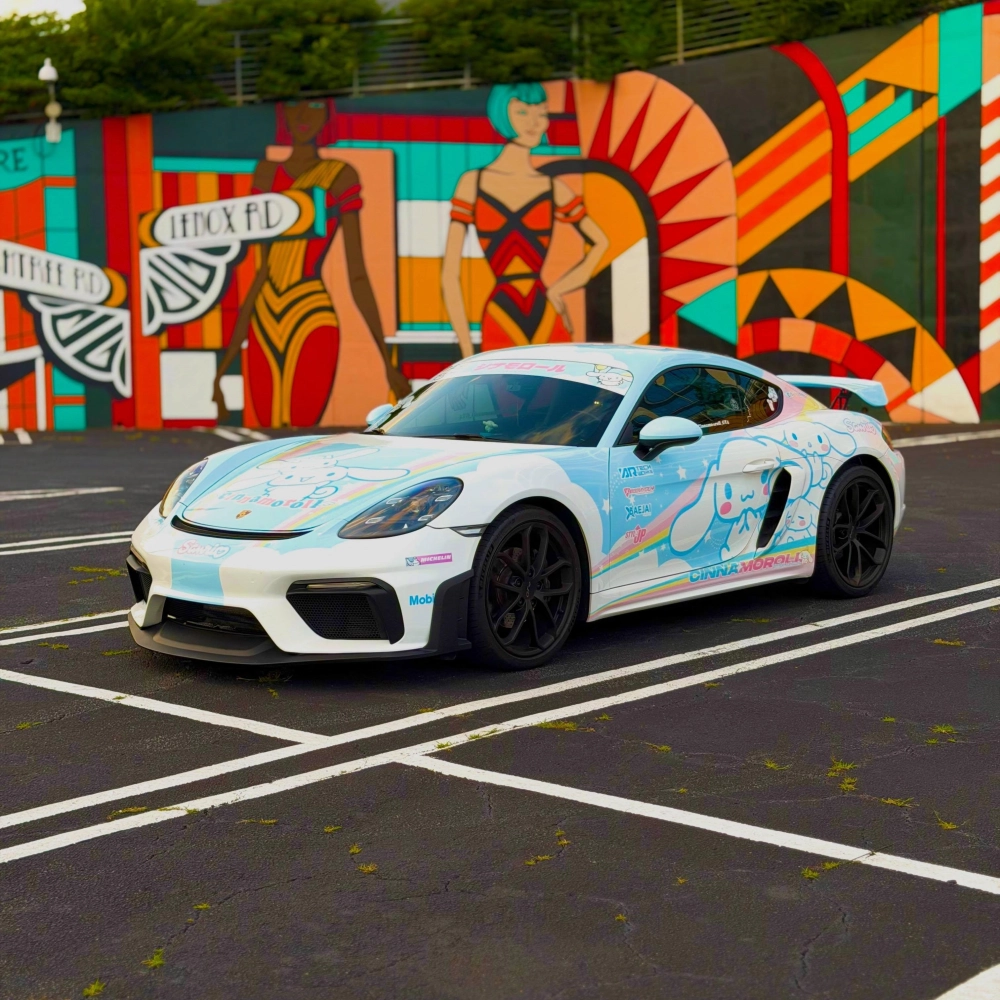
Few custom wrap styles attract attention like an anime car wrap.
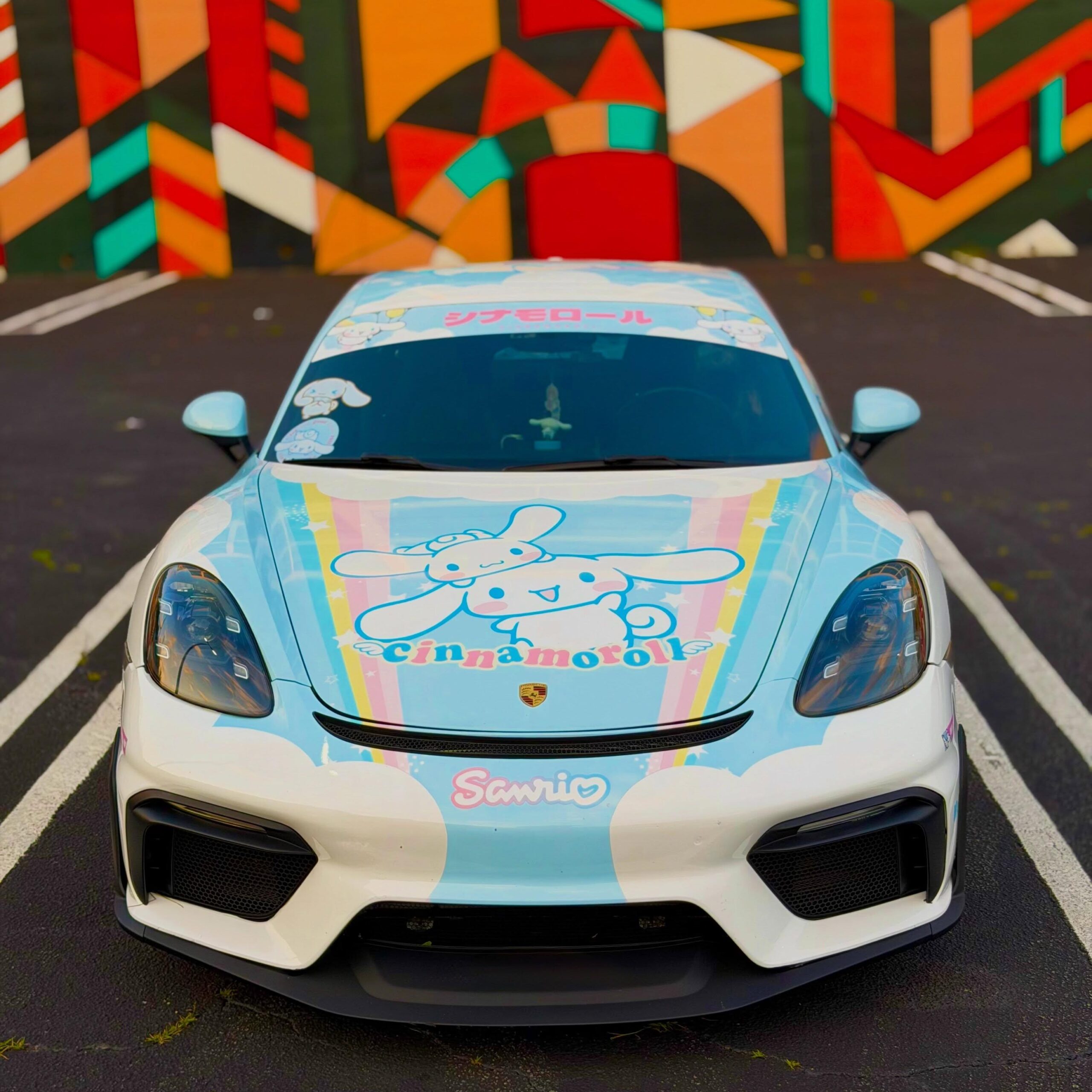
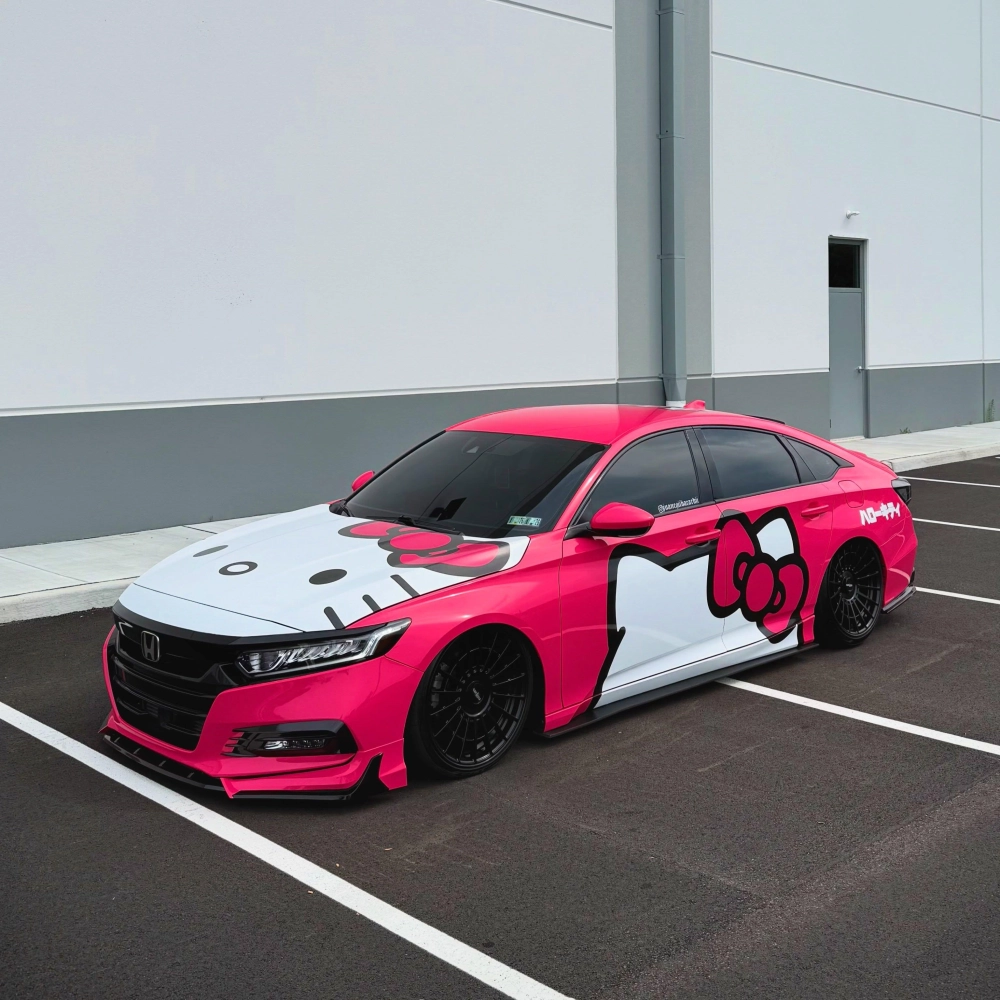
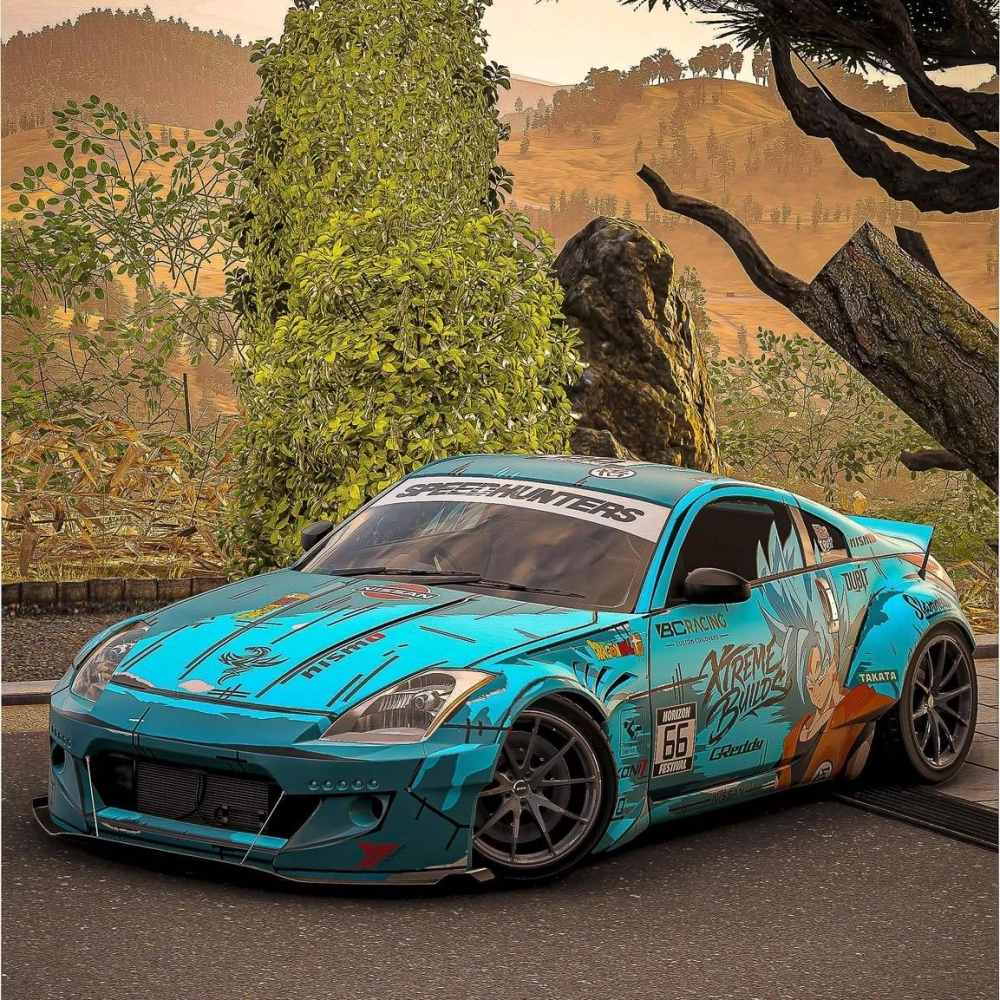
Inspired by Japanese Itasha culture, these wraps incorporate anime, manga, video-game characters, Japanese typography, illustrations, racing graphics, and related visual elements into a vehicle design.
“Itasha” (痛車) is commonly used to describe vehicles decorated with characters or themes associated with anime, manga, and games.
Today, the aesthetic has expanded far beyond Japan and can be seen in JDM communities, automotive shows, conventions, social media builds, and enthusiast events around the world.
Anime Wrap vs. Itasha Wrap: Is There a Difference?
The terms overlap considerably.
An anime car wrap generally describes any vehicle wrap incorporating anime-style imagery.
An Itasha wrap usually refers more specifically to the Japanese customization culture and often involves a more integrated vehicle-wide composition.
For example:
A large character printed on one door could reasonably be called an anime wrap.
A coordinated design incorporating a character, Japanese typography, sponsor-style graphics, background effects, complementary colors, and graphics extending across several panels is closer to a traditional Itasha-inspired build.
Why Itasha Design Is More Difficult Than It Looks
One of the biggest mistakes in custom anime wraps is treating the side of a vehicle like a rectangular poster.
It isn’t.
Consider everything interrupting the artwork:
Door seam → door handle → wheel arch → fuel door → body crease → side skirt
Place a character’s face in the wrong location and a door handle may pass directly through an eye.
Put typography too close to a wheel arch and half the word may visually disappear.
This is why professional Itasha design should begin with a vehicle template.
A Better Itasha Workflow
Start with the vehicle’s year, make, and model.
Then establish:
Theme → Color palette → Main artwork → Secondary graphics → Typography → Panel placement
Only after these elements are established should the design be prepared for printing.
High-resolution artwork matters enormously. A graphic that appears sharp on a phone screen may look noticeably pixelated when enlarged across a door measuring more than a meter wide.
For logos and typography, vector artwork is particularly useful because it can be scaled without the same loss of detail associated with small raster images.
Example: Cyberpunk Anime Build
Imagine a Nissan GT-R with:
- Dark charcoal base
- Large anime character across the door and rear quarter
- Cyan and violet accents
- Japanese typography
- Futuristic grid pattern
- Racing-number graphic
- Small sponsor-inspired elements
Rather than positioning each element independently, the graphics should follow the GT-R’s shoulder line and visually flow toward the rear quarter.
That is what turns several graphics into one coherent vehicle design.
Pros of Itasha & Anime Wraps
- Extremely high personalization
- Virtually unlimited creative possibilities
- Strong show and social-media presence
- Can integrate multiple design styles
- Excellent for fandom and themed builds
- Every vehicle can become genuinely unique
Cons
- Requires high-quality artwork
- More complicated design process
- Accurate vehicle templates are important
- Panel placement requires careful planning
- Complex artwork can be more difficult to repair or reproduce
Important Copyright Consideration
If you’re using copyrighted characters, logos, or commercial artwork, make sure you have the appropriate permission or rights for your intended use. Original artwork or properly licensed assets are the safest choices for commercial applications.
Style Score: ★★★★★
Design Complexity: ★★★★★
Personalization: ★★★★★
Visual Impact: ★★★★★
3. Marble Custom Wrap
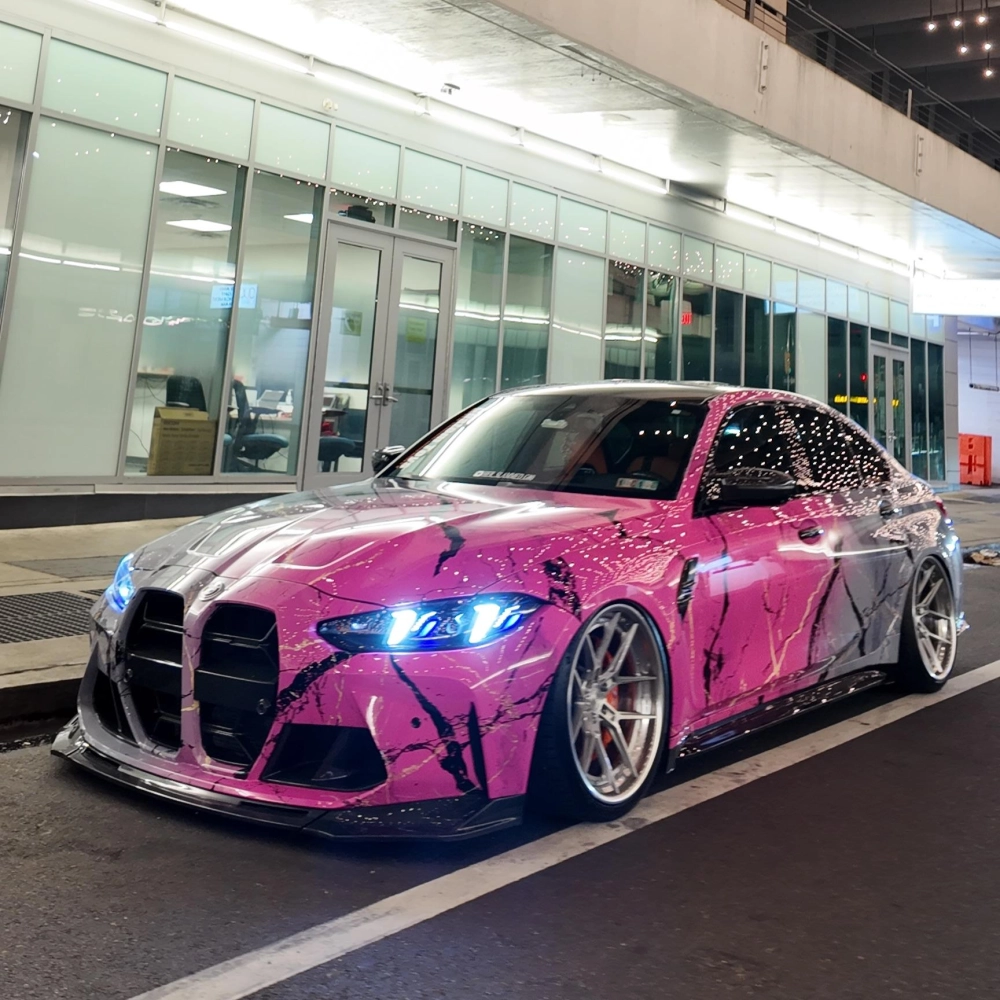
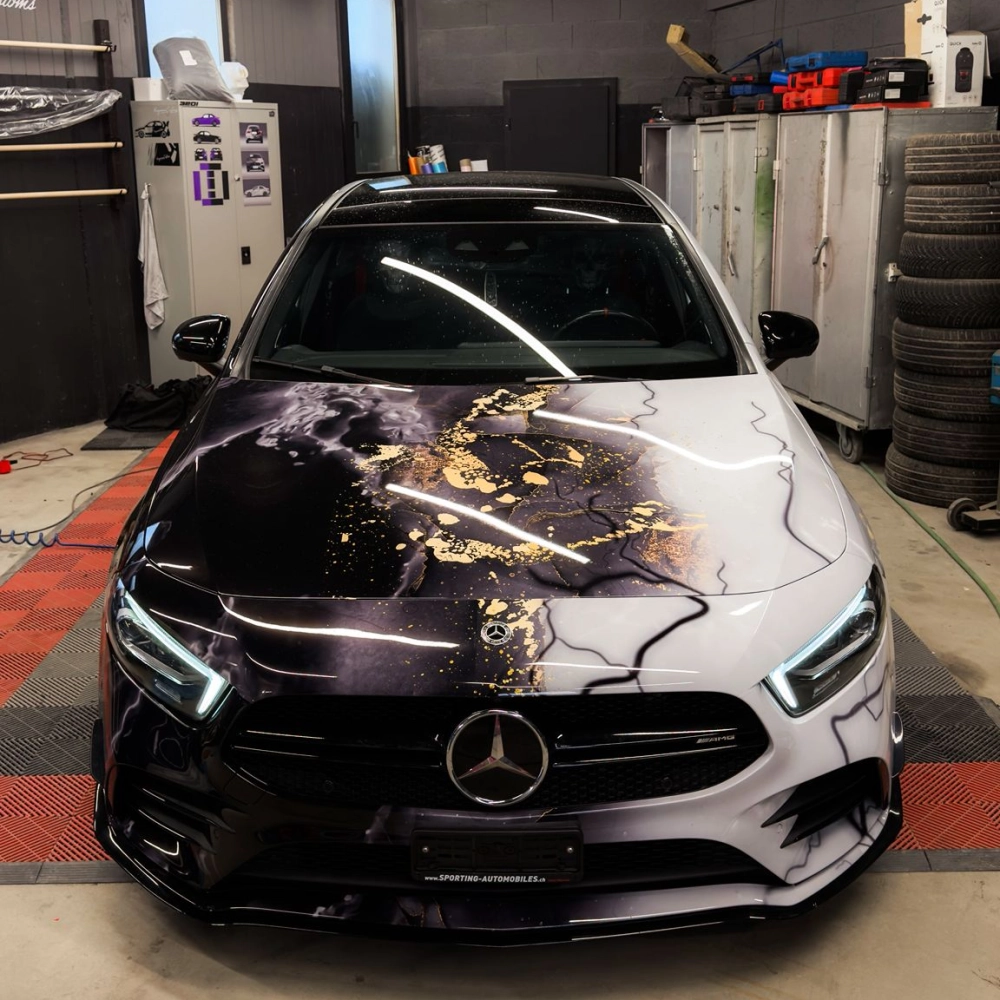
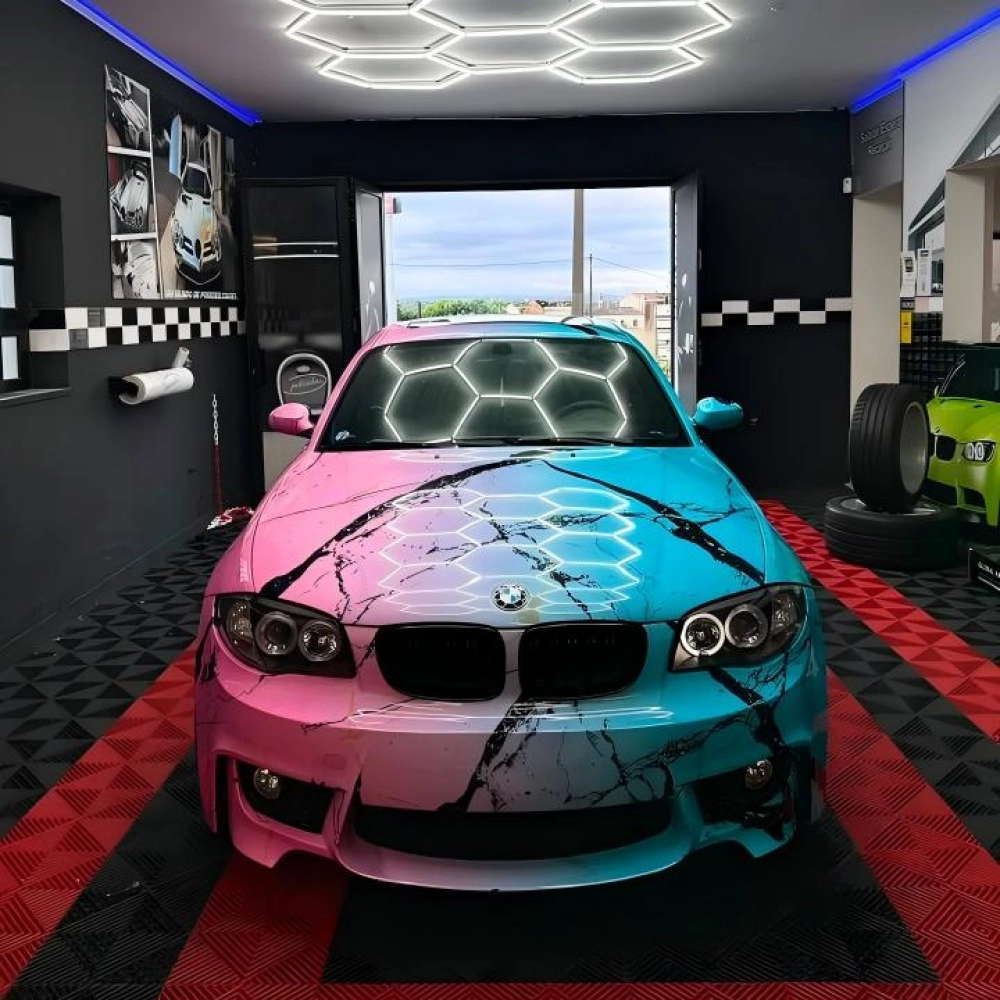
A marble custom wrap recreates the organic veins and flowing texture associated with natural marble.
Instead of trying to imitate conventional automotive paint, the car takes inspiration from architecture, stone, furniture, and luxury interior design.
Common combinations include:
- White + Gray
- Black + Gold
- White + Gold
- Black + White
- Purple + Black
- Blue + White
But because the artwork can be digitally customized, the pattern doesn’t have to represent a naturally occurring marble.
You could create purple marble with silver veins, black marble with red accents, or white marble with metallic-gold-inspired graphics.
Why Marble Is Different From a Repeating Pattern
Natural marble rarely looks perfectly repetitive.
That irregularity is part of its visual appeal.
For a vehicle wrap, designers should consider how the veins continue from one panel to another.
If every door contains exactly the same pattern, the result can look like a repeated digital texture rather than convincing marble.
Instead, larger flowing veins can be distributed across the vehicle to create a more natural composition.
Pros of Marble Custom Wraps
- Luxurious appearance
- Highly distinctive
- Works with monochromatic or colorful designs
- Less visually aggressive than some graphic wraps
- Can be completely customized
- Excellent combination of pattern and elegance
Cons
- Repetitive patterns can look artificial
- Panel transitions need careful planning
- Strong patterns can overwhelm small vehicles
- Detailed designs require good print quality
Best Design Approach
Think of the entire side of the car as one slab of marble, rather than treating each door or panel separately.
Style Score: ★★★★☆
Design Complexity: ★★★☆☆
Personalization: ★★★★☆
Visual Impact: ★★★★☆
4. Camo Custom Wrap
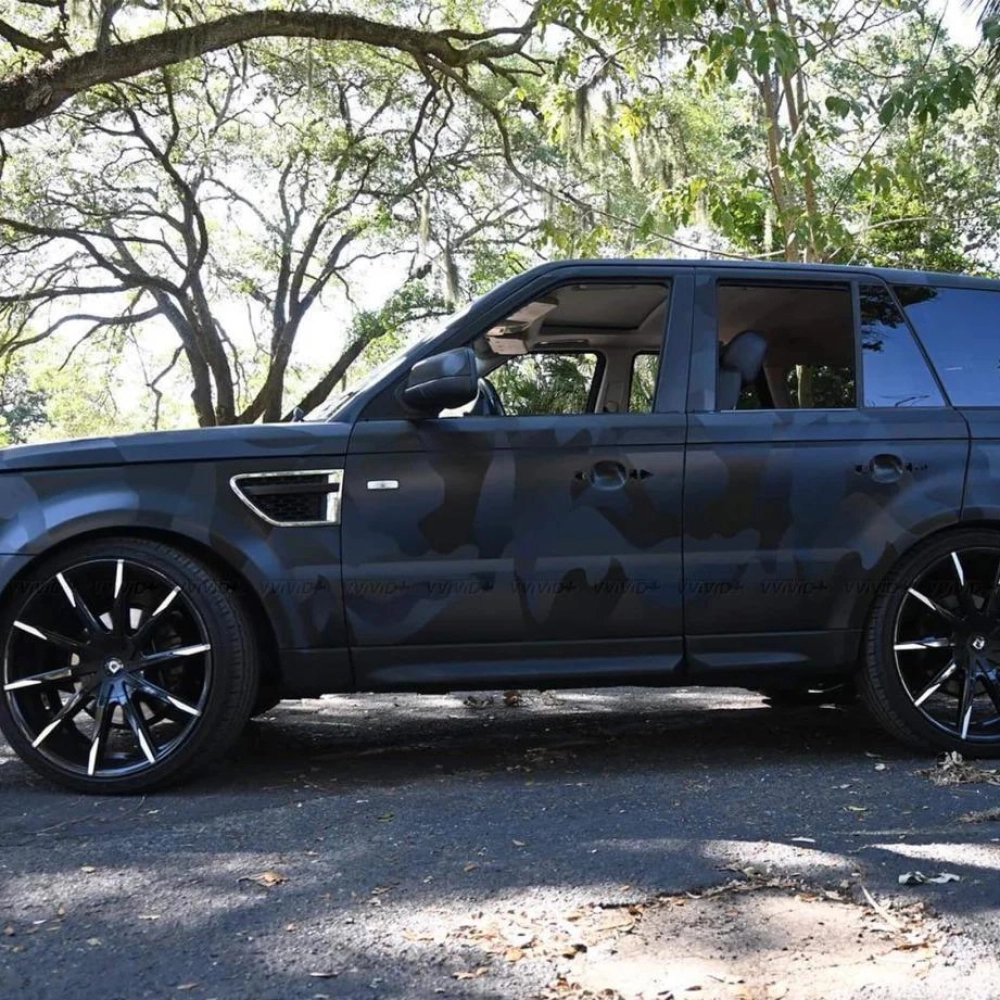
Camouflage wraps have evolved far beyond traditional military green.
A camo custom wrap can incorporate almost any color palette and pattern geometry.
Popular directions include:
Traditional Camo
Organic green, brown, black, and tan shapes inspired by military camouflage.
Digital Camo
Pixelated blocks create a more modern, technical appearance.
Urban Camo
Usually combines black, white, gray, or silver.
Geometric Camo
Uses angular shapes rather than natural camouflage forms.
Color Camo
Purple, red, blue, pink, orange, or other nontraditional colors replace military tones.
Futuristic Camo
Abstract geometric patterns create a technical, sci-fi appearance.
That flexibility is why camo remains relevant even for owners who don’t want a military-themed vehicle.
Why Camo Works Especially Well on Angular Vehicles
Camouflage patterns naturally break up shapes.
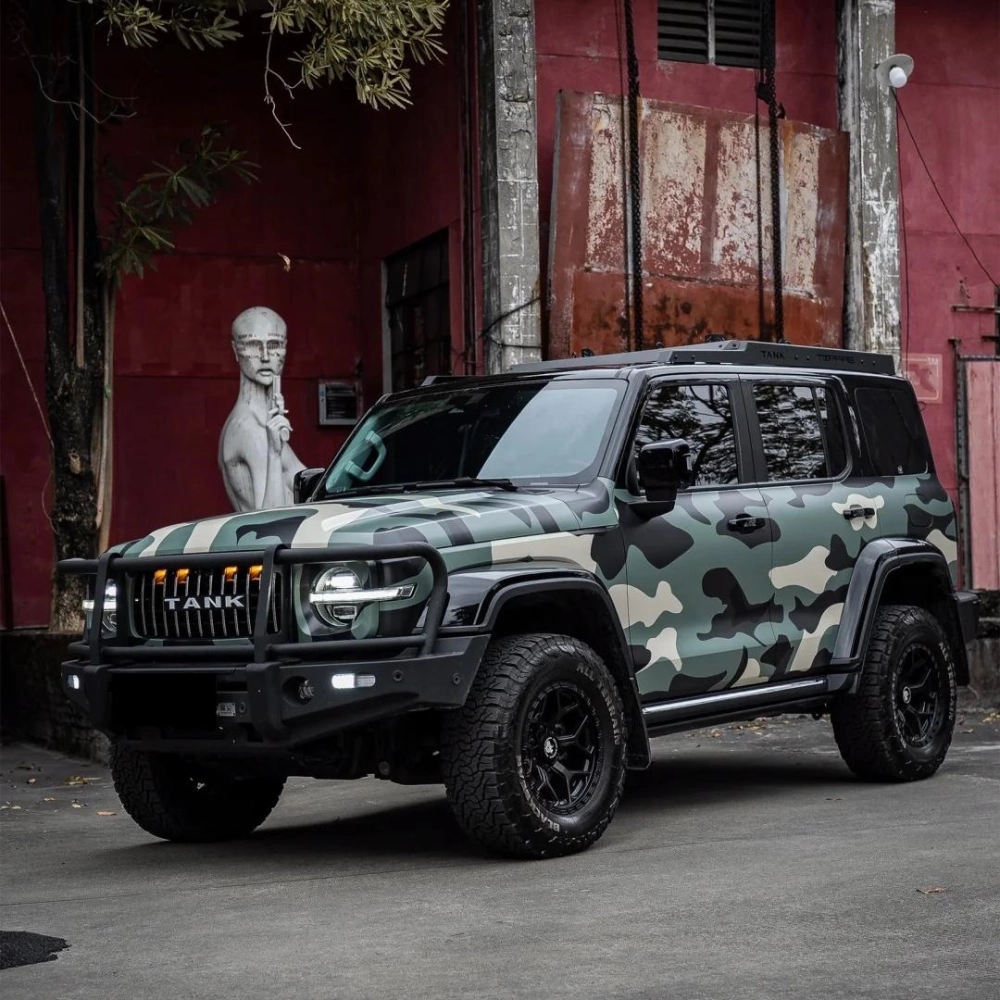
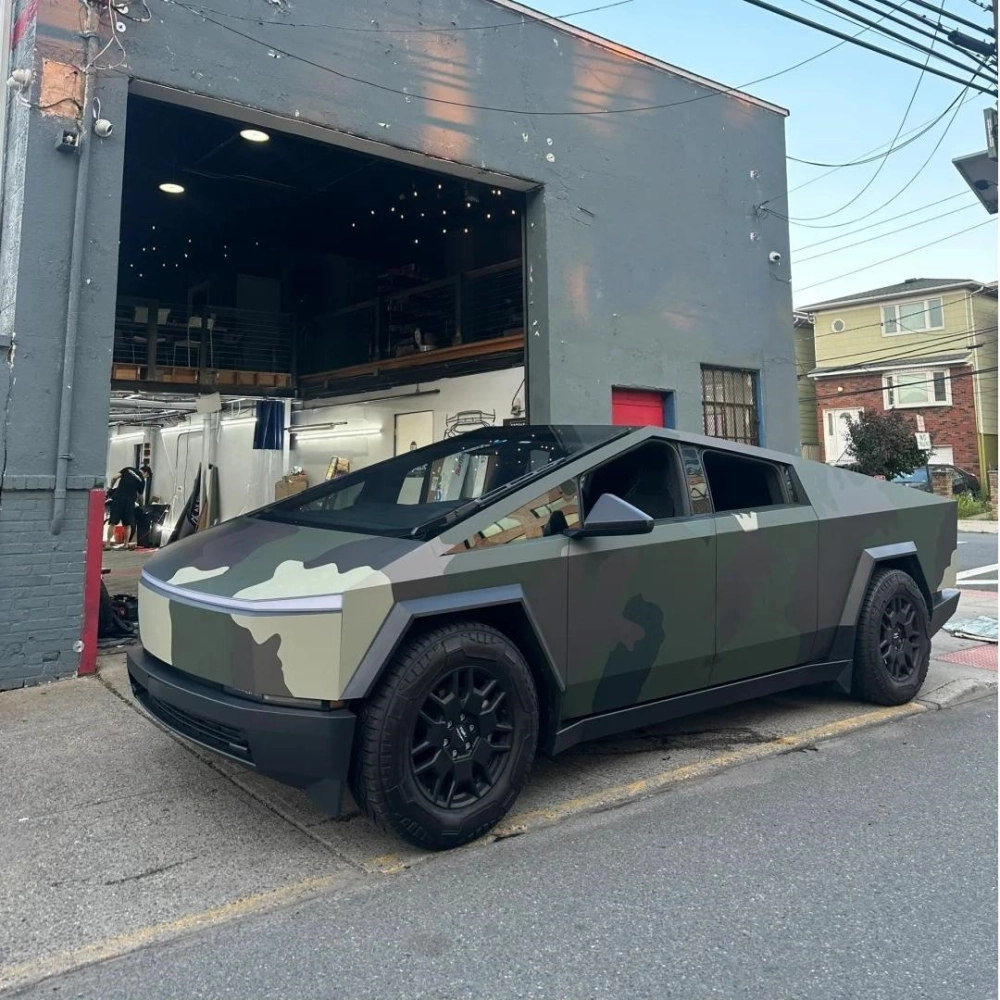
On vehicles with strong fenders, angular doors, squared-off bumpers, and pronounced body lines, the pattern interacts with the vehicle’s geometry.
For example, a Cybertruck could use oversized geometric camouflage elements that follow its sharp body surfaces, while a Jeep or pickup might suit larger organic camouflage patterns.
Sports cars can use smaller, faster-moving graphics to emphasize speed.
The same camo file should not simply be scaled equally for every vehicle.
Pattern scale should match vehicle scale.
Pros of Camo Wraps
- Extremely versatile
- Many color combinations
- Works with aggressive vehicle styling
- Can be subtle or extremely bold
- Patterns can disguise minor visual interruptions between panels
- Easy to create a recognizable theme
Cons
- Generic patterns can look repetitive
- Incorrect scale can make the design look too busy
- Traditional camouflage may not suit every vehicle style
- Matching replacement panels requires attention to pattern positioning
Style Score: ★★★★☆
Design Complexity: ★★★☆☆
Personalization: ★★★★☆
Visual Impact: ★★★★☆
5. Personalised Custom Car Wraps
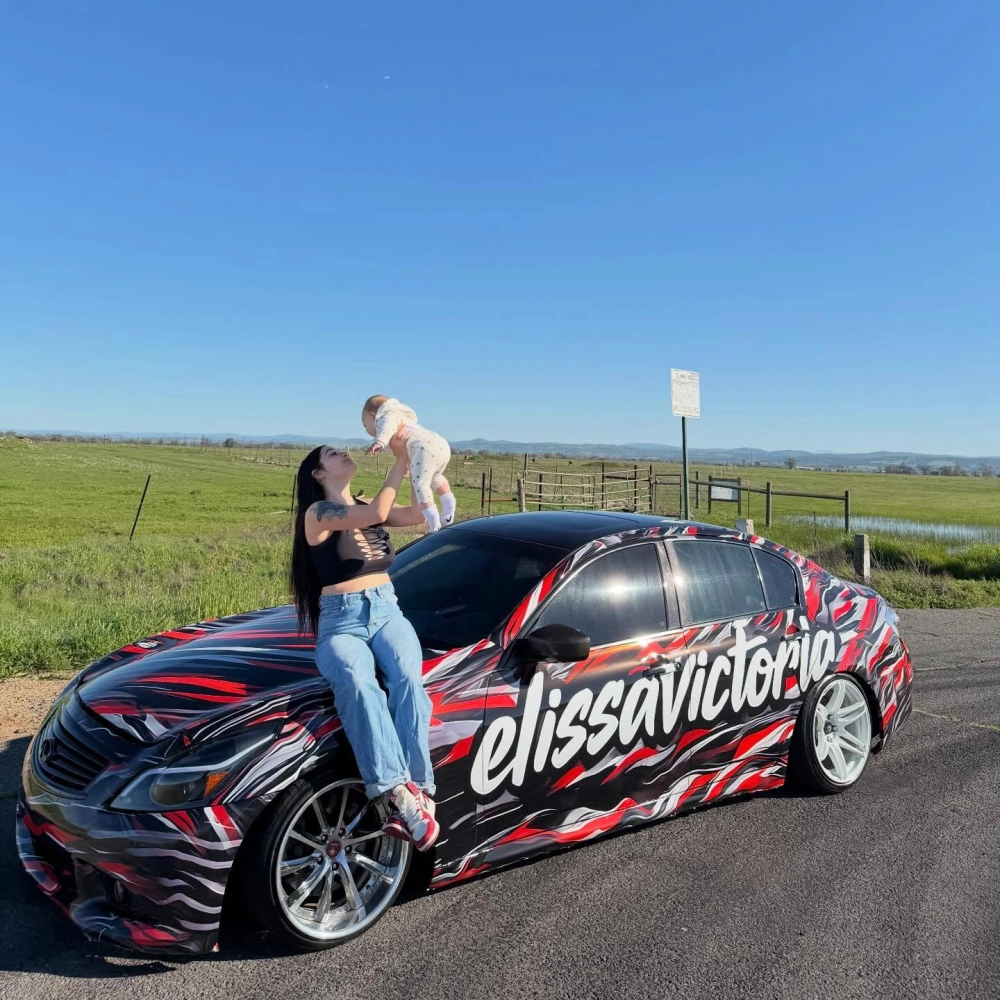
What if none of those categories describes what you want?
Create your own.
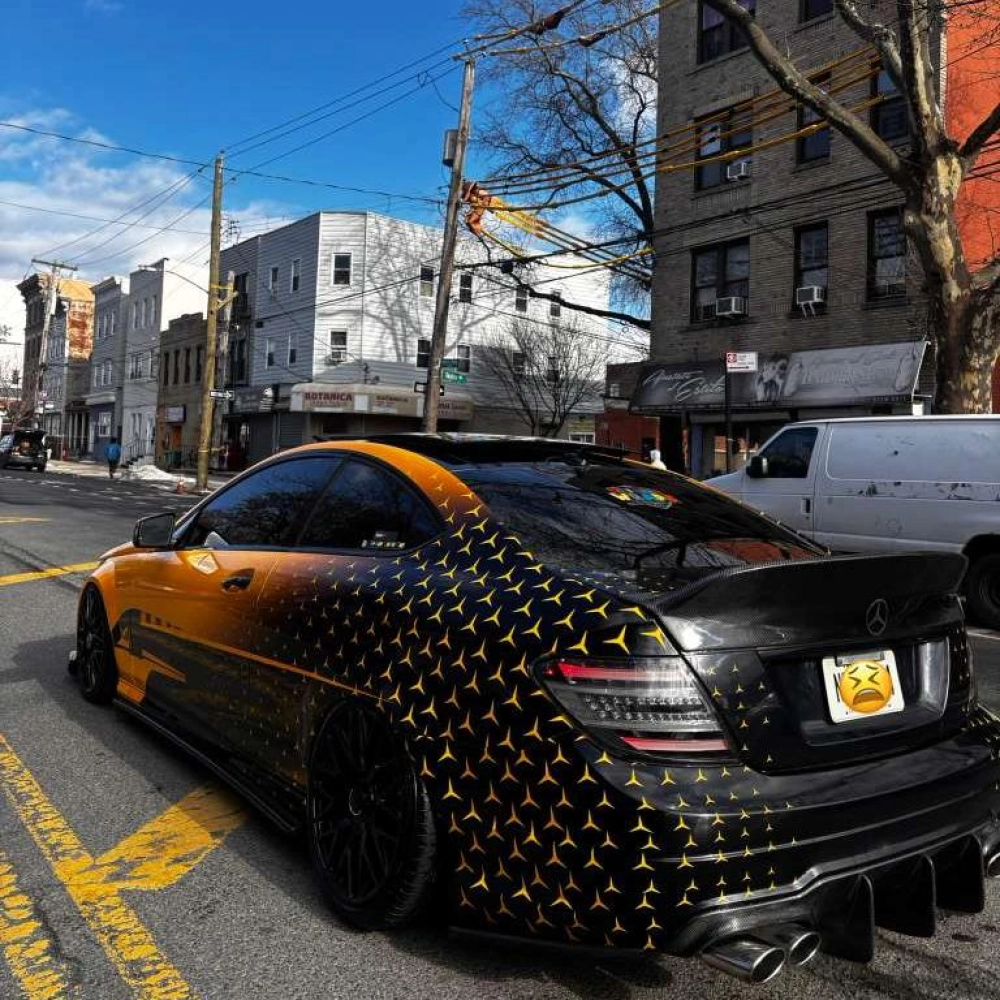
Personalised custom car wraps provide the highest level of creative freedom because the vehicle’s design can be developed around your own concept rather than an existing category.
A personalized design might combine:
Gradient + graphics + logo + typography + illustration + custom colors
all on one vehicle.
That means your wrap doesn’t have to fit neatly into a label such as “anime,” “marble,” or “camo.”
Ideas for Personalised Custom Car Wraps
A personalized wrap could include:
- Original artwork
- Personal logos
- Motorsport liveries
- Retro racing graphics
- Cyberpunk themes
- Graffiti
- Abstract art
- Comic-style artwork
- Custom patterns
- Business branding
- Motorsport numbers
- Personalized typography
- A combination of several wrap styles
This is also where custom wrapping differs most dramatically from repainting.
Creating an elaborate multi-layer graphic through paint may require extensive masking, airbrushing, and specialized finishing.
With a printed wrap, the complete visual composition can be developed digitally before the vehicle is wrapped.
That provides an important advantage:
You can preview the concept before production.
Custom Car Wrap vs. Standard Color Wrap
| Feature | Standard Color Wrap | Custom Car Wrap |
| Color choice | Predetermined | Customizable |
| Graphics | Usually none | Yes |
| Gradients | Limited | Yes |
| Characters/artwork | No | Yes |
| Patterns | Limited to available films | Virtually unlimited |
| Vehicle-specific design | Usually unnecessary | Recommended |
| Design preparation | Low | Medium–High |
| Uniqueness | Medium | Very High |
| Replacement complexity | Lower | Higher |
A standard wrap remains the better choice when your main goal is simply changing the vehicle’s color.
A custom wrap becomes more compelling when the design itself is part of the reason you’re wrapping the vehicle.
Which Type of Custom Car Wrap Should You Choose?
A useful way to choose is to start with the reaction you want the vehicle to create.
Want something unique but clean?
Choose a gradient car wrap.
Want maximum personality and fandom expression?
Choose an Itasha or anime car wrap.
Want artistic and luxury-inspired styling?
Choose a marble custom wrap.
Want an aggressive, technical, or rugged appearance?
Choose a camo custom wrap.
Already have a specific vision?
Choose a personalised custom car wrap and build the design around your concept.
The most successful wrap isn’t necessarily the most complicated one.
It’s the design that best matches the vehicle and the owner’s goal.
What Makes a High-Quality Custom Car Wrap?
Custom artwork attracts attention, but print quality and installation determine whether it looks professional up close.
1. High-Resolution Artwork
Large-format graphics expose low-resolution images quickly.
Whenever possible, use original high-resolution files or vector artwork.
2. Vehicle-Specific Layout
The design should account for:
- Panel dimensions
- Doors
- Handles
- Mirrors
- Wheel arches
- Bumpers
- Body creases
- Windows
- Trim
3. Correct Graphic Scale
A pattern that looks good on a computer screen may be too small once spread across a vehicle.
Always evaluate graphics at vehicle scale.
4. Proper Surface Preparation
A wrap needs a clean, suitable surface.
Rust, peeling clear coat, damaged paint, or poorly repaired panels can affect adhesion and the finished appearance.
5. Professional Installation
Complex bumpers, recesses, mirrors, and compound curves require proper installation techniques. Even outstanding artwork can look poor if seams, edges, alignment, or stretching are handled incorrectly.
Do Custom Car Wraps Protect Paint?
A vinyl wrap creates a physical layer over the painted surface and can help shield suitable OEM paint from everyday environmental exposure and light surface contact.
However, it should not be confused with paint protection film (PPF).
PPF is engineered primarily for protection, while vinyl wrap is primarily an appearance and customization product.
This distinction matters.
If your first priority is maximum resistance to stone chips and road debris, PPF is generally the more appropriate category. If your first priority is dramatic visual customization, vinyl offers far greater graphic flexibility.
How Long Can a Custom Car Wrap Last?
There isn’t one universal lifespan for every custom wrap.
Durability depends on several variables, including:
- Film construction
- Printing and laminate system
- Installation quality
- Climate
- UV exposure
- Vehicle storage
- Horizontal vs. vertical surfaces
- Cleaning methods
- Environmental contamination
Major film manufacturer Avery Dennison states that properly installed vehicle wraps can last up to five years in many locations, while also emphasizing that actual performance depends on conditions and product specifications.
Maintenance plays an important role as well.
Avery Dennison warns that improper or infrequent maintenance can cause premature degradation. Its vehicle-wrap care guidance recommends gentle washing and warns against brush-style automatic car washes that can scratch the film or catch its edges.
3M similarly recommends hand washing whenever possible and notes that brush washes may dull or scratch wrap film and potentially lift graphic edges.
So instead of asking only:
“How long does vinyl last?”
A better question is:
“What film, printing system, installation, climate, storage, and maintenance conditions will my particular wrap experience?”
That provides a much more realistic expectation.
How to Care for a Custom Car Wrap
Custom printed wraps deserve proper care, especially because dirt and contamination can affect both the vinyl surface and the visual clarity of detailed graphics.
Follow several basic practices:
- Hand wash whenever practical.
- Use mild automotive cleaning products suitable for vinyl.
- Avoid aggressive scrubbing and abrasive tools.
- Remove bird droppings, tree sap, insects, and fuel contamination promptly.
- Avoid brush-style automatic car washes.
- Store the vehicle indoors or in shade whenever possible.
- Be cautious with pressure washing around seams and edges.
- Follow the care instructions provided for the specific film and print system used.
Avery Dennison’s published care instructions also recommend waiting after installation before washing and emphasize regular cleaning, while 3M recommends protecting wraps from prolonged heat and UV exposure through covered or shaded storage when practical.
Proper maintenance isn’t merely cosmetic—it can directly influence how long the wrap maintains its intended appearance.
How ALUKOVINYL Custom Car Wraps Work
Creating a personalized wrap doesn’t have to start with a finished professional design.
With ALUKOVINYL custom car wraps, customers can begin with a vehicle and an idea.
Step 1: Choose Your Vehicle Size
Select the appropriate wrap size based on your vehicle.
For ALUKOVINYL custom wrap projects, typical options include approximately:
Sedan — 59 ft
SUV — 69 ft
Pickup — 79 ft
Actual material requirements can vary according to the vehicle’s dimensions, body shape, coverage, installation method, and installer preferences, so measurements should always be confirmed before production.
Step 2: Tell Us Your Idea
Provide your:
- Vehicle year
- Make
- Model
- Preferred colors
- Artwork
- Reference images
- Theme or concept
Don’t have finished artwork?
A reference image or clear explanation can be used to establish the design direction.
Step 3: Review the Mockup
A vehicle-specific digital preview allows you to review:
Color → scale → positioning → graphics → overall composition
before approving the final design.
This step is particularly valuable for complex Itasha, camo, marble, and multi-panel graphics.
Step 4: Approve & Produce
Once the final design is approved, the custom wrap moves into production, quality inspection, and shipping.
Because custom wraps are produced specifically for an individual project, customers should carefully review the vehicle details, spelling, colors, artwork, positioning, and overall mockup before final approval.
Custom Car Wrap Pros and Cons
Advantages
Almost Unlimited Design Freedom
Custom printing allows combinations that conventional automotive colors cannot easily reproduce.
Highly Personalized
Your vehicle doesn’t need to look like another car using the same off-the-shelf color.
Reversible Customization
A properly selected and installed vehicle wrap is removable, unlike a permanent custom paint design.
Preview Before Production
Digital mockups make it possible to evaluate the design before committing to the finished wrap.
Excellent for Personal and Commercial Vehicles
The same technology can create a show-car Itasha build, racing livery, personal artwork, or branded commercial vehicle.
Disadvantages
More Design Preparation
Complex artwork requires considerably more planning than choosing a standard color.
Installation Can Be More Demanding
Printed graphics often need accurate alignment across adjacent panels.
Repairs Require Matching
Replacing a damaged section may require reproducing the correct section of the original graphic.
Artwork Quality Matters
Low-resolution source images can limit print quality.
Frequently Asked Questions About Custom Car Wraps
What are the most popular types of custom car wraps?
Popular types include gradient car wraps, anime and Itasha wraps, marble wraps, camouflage wraps, racing graphics, branded wraps, and fully personalised custom car wraps.
Can I design my own car wrap?
Yes. You can create your own artwork or provide a concept, logo, pattern, colors, or reference image from which a custom design can be developed.
Can I customize any color?
Custom printing provides enormous flexibility, so many colors and combinations can be reproduced. However, screen colors and printed vinyl are produced through different color systems, so an exact screen-to-print match should never be assumed without appropriate color management and proofing.
What is an Itasha car wrap?
An Itasha wrap is a custom vehicle graphic inspired by Japanese Itasha culture, typically featuring anime, manga, video-game characters, illustrations, typography, and related themed artwork.
Can I combine several styles?
Absolutely. A personalized design could combine a purple-to-black gradient with anime artwork, geometric graphics, typography, and racing elements.
That’s one of the major advantages of custom wrapping.
Are custom wraps removable?
Automotive wrap films are designed to be removable when properly installed and removed under appropriate conditions. Paint condition is important: old, damaged, poorly repaired, or non-OEM paint can behave differently during removal.
Does a custom car wrap damage paint?
Quality vehicle wrap materials are designed for use on suitable automotive finishes. Avery Dennison states that its removable vehicle-wrap adhesive does not harm OEM paint when the original paint is in good condition. Existing paint defects, repairs, peeling clear coat, or weak aftermarket paint can increase removal risk.
Are custom car wraps harder to install?
They can be. The physical vinyl installation principles are similar, but graphic alignment creates another challenge. A solid black panel can be repositioned without changing the overall design; moving one section of a character’s face, gradient, or geometric pattern can affect the entire composition.
Should I choose a full wrap or partial custom wrap?
Choose a full wrap when you want complete visual transformation and maximum control over the composition. Partial wraps can work well when you want a more restrained design, lower material requirements, or want the factory paint to become part of the finished look.
Final Verdict: Which Custom Wrap Is Best?
There is no single best custom car wrap because customization is fundamentally personal.
For a clean transformation, gradient wraps offer an excellent balance between simplicity and originality.
For maximum visual storytelling, Itasha and anime wraps provide almost unlimited creative possibilities.
For an artistic luxury aesthetic, marble wraps create a distinctive surface that conventional paint rarely replicates.
For aggressive, rugged, or futuristic builds, custom camo remains one of the most versatile pattern categories.
And if none of those categories fits your idea, a personalised custom car wrap allows you to combine colors, artwork, graphics, patterns, and typography into something completely original.
The most important principle is simple:
Don’t design the graphic first and force it onto the vehicle later. Design the graphic around the vehicle from the beginning.
That is what separates a generic printed wrap from a truly custom build.