Last reviewed: April 2026
Choosing the right supplier for commercial vehicle wraps is not only a design decision. It is a branding decision, a visibility decision, and often a long-term operations decision. For business owners, a wrapped van, truck, or service vehicle is more than transportation. It is a moving advertisement that introduces the company in parking lots, on highways, in residential neighborhoods, and at job sites. That is why comparing leading brands for commercial vehicle wraps matters so much. The best option is rarely the one with the flashiest finish alone. It is the one that gives businesses the strongest balance of print quality, film performance, brand consistency, and practical value.
Many businesses make the mistake of comparing wraps only by color, price, or first visual impression. But strong commercial wrap programs are built differently. They depend on reliable branding across multiple vehicles, readable messaging at distance, installation performance on different body shapes, and a finish that still looks professional after real daily use. When companies compare commercial vehicle wraps through that lens, the decision becomes more strategic and much more useful.
What Businesses Really Mean When They Compare Leading Brands
It is not just about recognition
In commercial wrap buying, a “leading brand” should not be judged only by name recognition. A film or supplier may be well known, but that does not automatically make it the best fit for a service fleet, delivery van, contractor truck, or corporate vehicle program. Businesses need to compare practical outcomes, not reputation alone.
It is about repeatable business performance
A strong commercial wrap brand should help a company reproduce the same visual identity across one vehicle or twenty. That means the comparison should focus on consistency, not just style. If a supplier can support logo clarity, brand-color stability, clean installation, and finish options across different vehicle types, that matters more than marketing language.
The Most Important Comparison Point: Custom Branding Flexibility
Commercial wraps are rarely one-size-fits-all
A service van, a pickup, a box truck, and a fleet SUV do not use the same panel logic. Door seams, recessed handles, windows, curves, and cargo sections all affect how brand graphics should be laid out. That is why one of the most important things to compare is how well a supplier supports customization. A strong custom vinyl wrap process is often more valuable for commercial use than simply offering lots of colors.
Branding needs layout discipline
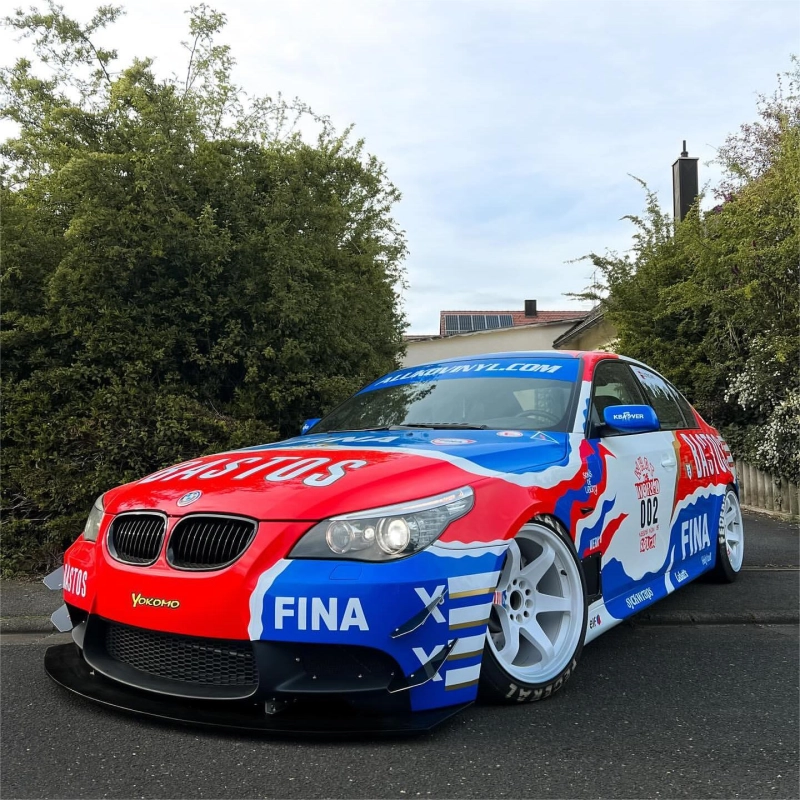
Commercial vehicles need more than attractive design. They need hierarchy. A potential customer should be able to identify the company name, service category, and contact detail quickly. If the wrap supplier or design system cannot support that clarity, the visual result may look busy instead of effective.
Second Comparison Point: Film Appearance Under Real Working Conditions
Business vehicles live in tougher environments than show cars
Commercial wraps have to perform in parking lots, on job sites, in sunlight, in rain, and under regular cleaning conditions. That means businesses should compare how different film types behave after repeated use rather than only how they look on a product page.
The right finish depends on brand personality
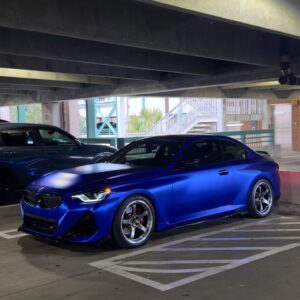
Finish choice is part of the comparison too. A matte car wrap may suit companies that want a modern, understated, premium identity. Matte often works well for architecture firms, luxury service providers, premium installers, and brands that want a quieter visual tone.
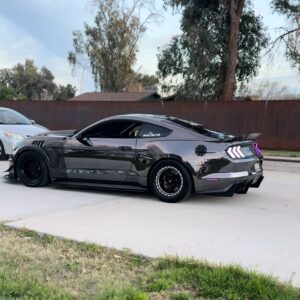
By contrast, a chrome car wrap can create stronger visual impact, but it needs much more restraint in layout. Chrome is usually better suited to promotional vehicles, event visibility, or businesses that want maximum attention rather than everyday subtlety.
Third Comparison Point: Price Versus Long-Term Value
Low price is not always low cost
Some companies begin with a cheap car wrap mindset, which is understandable. Fleet budgets matter. But commercial buyers should be careful not to confuse a lower entry price with better overall value. If the wrap is harder to standardize across vehicles, less convincing in person, or weaker in daily use, the business may lose more in brand quality than it saves in cost.
Value comes from consistency and credibility
The best commercial wrap investment is often the one that keeps a company looking consistent for longer. A wrap that supports cleaner fleet presentation, better readability, and a more professional first impression usually delivers stronger business value than the cheapest available option.
Fourth Comparison Point: Finish Range for Different Commercial Needs
Leading brands should support more than one visual strategy
Different businesses need different wrap directions. Some need high-contrast printed graphics. Others need mostly neutral fleet branding with only subtle accents. Some need sleek monochrome branding. Others want eye-catching promotion vehicles. That is why a strong supplier should support multiple finish families and design directions, not only one narrow product style.
A broad catalog helps businesses stay inside one buying path
This is one area where site structure matters. If a buyer can move from general browsing to custom design, matte options, chrome finishes, and broader film exploration without leaving the same ecosystem, the decision process becomes much easier. For businesses, that saves time and keeps evaluation more focused.
Fifth Comparison Point: How Well the Brand Supports Fleet Scaling
One vehicle is not the same as ten
A wrap that works for a single promo vehicle may not work well for a fleet. Businesses should compare whether the supplier can support repeated orders, finish continuity, and brand consistency over time. This matters especially for companies planning phased fleet updates rather than a one-time install.
Commercial branding depends on repeatability
The stronger the repeatability, the more useful the wrap supplier becomes. This is one of the clearest ways to separate a design-friendly seller from a genuinely commercial-ready partner.
How Businesses Should Compare Commercial Vehicle Wrap Brands in Practice
Ask the right questions
Instead of only asking “Which wrap looks best?”, businesses should ask:
- Can this supplier support custom branding across different vehicle shapes?
- Will the finish make our logo and service message more readable or less readable?
- Can we maintain a consistent look if we expand the fleet later?
- Does the wrap style fit our brand personality?
- Are we choosing based on price alone, or on long-term business value?
Compare through business outcomes
The right commercial wrap brand is the one that helps the vehicle do its job better: attract attention, communicate the brand clearly, and look credible in daily use. That is a much better comparison standard than material hype alone.
Why This Version of the Comparison Matters More
It keeps the article aligned with the title
A blog titled “Comparing Leading Brands for Commercial Vehicle Wraps” should help readers compare suppliers and wrap strategies, not drift too far into general wrap theory. That is why the most useful structure is one built around comparison criteria: customization, finish suitability, price versus value, fleet consistency, and brand readability.
It keeps readers inside the site journey
This structure also helps keep visitors inside your own content path. Instead of sending them outward to compare brands elsewhere, the article teaches them how to compare and then naturally moves them toward your own relevant categories such as custom, matte, chrome, and general wrap exploration.
Final Thoughts
The smartest way to compare commercial vehicle wraps is not by asking which brand sounds biggest. It is by asking which supplier helps your business communicate more clearly, scale more easily, and look more consistent in the real world.
For most businesses, the best commercial wrap choice is the one that combines customization, readable design, suitable finish options, and repeatable fleet presentation. That is what separates a wrap that merely looks attractive from one that genuinely works as mobile branding.