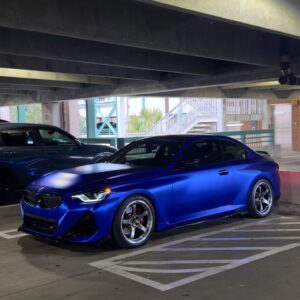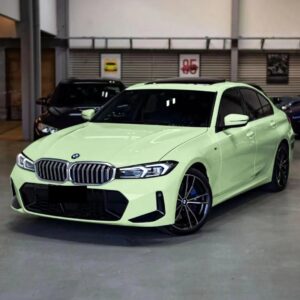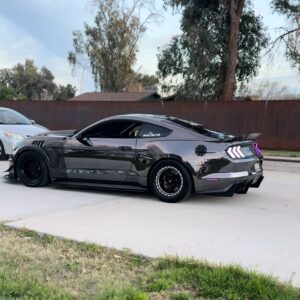
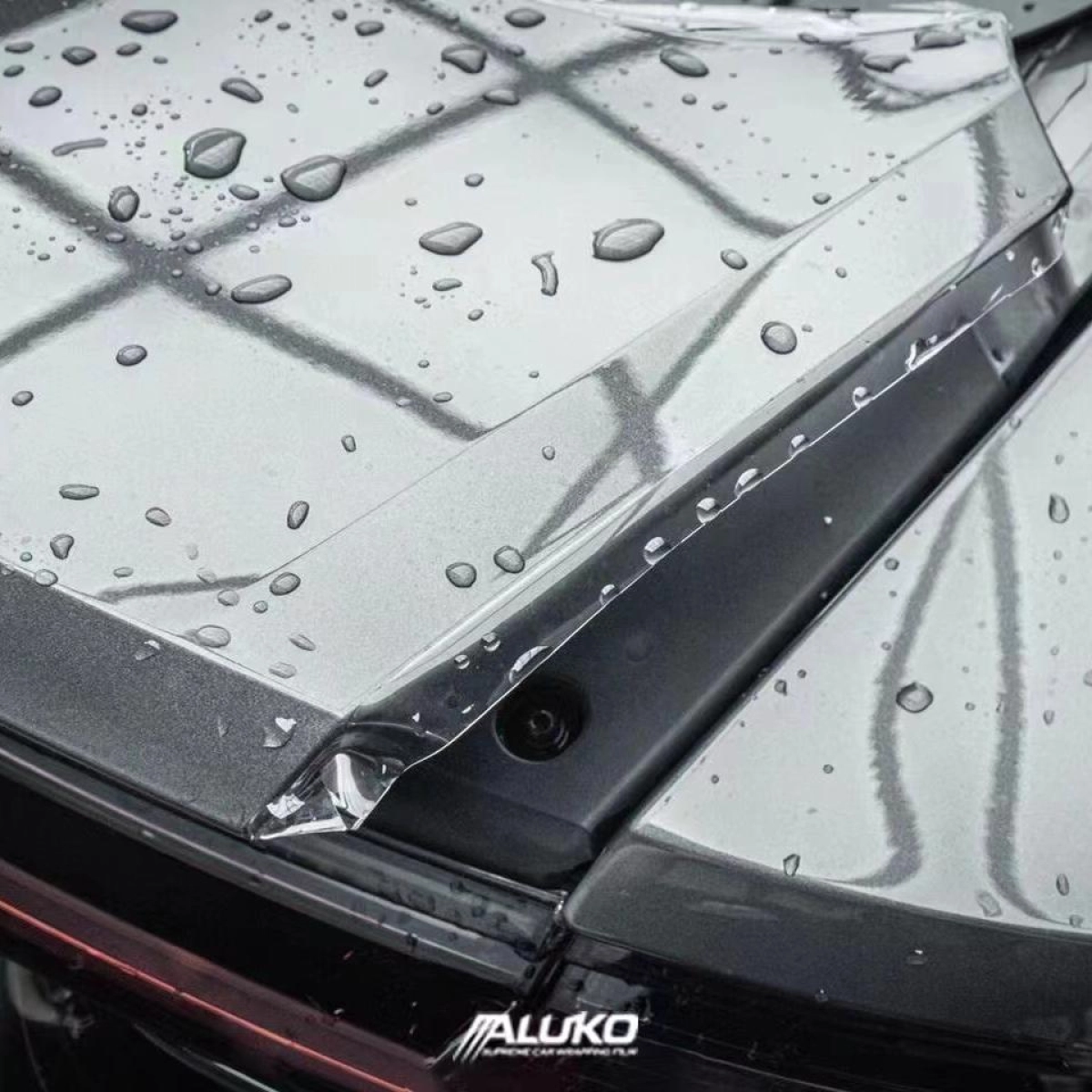
When drivers compare ppf vs ceramic coating, the question is not which product is “better” in the abstract. The real question is: what kind of risk are you trying to reduce? If your car sees highway miles, gravel, road salt, and bug splatter, a physical film barrier often makes the biggest difference. If your priority is easier washing, stronger water beading, richer gloss, and better resistance to chemical contamination, ceramic coating can be an excellent choice. In many premium installs, the smartest answer is actually a layered one: PPF in high-impact areas, with ceramic coating on top or across the rest of the vehicle.
At ALUKO, car owners can choose not only traditional vinyl wrap options for styling, but also advanced paint-protection solutions including tpu wrap, colored ppf film, and clear ppf. That broader product ecosystem matters because many buyers today want both protection and design flexibility instead of a one-size-fits-all answer.
What PPF Actually Does Better
Paint Protection Film is a polyurethane-based sacrificial layer installed over painted surfaces. Its biggest advantage is that it is thick enough and elastic enough to absorb real-world abuse that ceramic coating simply is not designed to stop. Premium PPF products commonly live in the roughly 7.5–8.5 mil range, and that extra material thickness is the reason they can help reduce chipping, abrasion, and edge wear on bumpers, hoods, mirrors, rocker panels, and door cups.
ALUKO’s own catalog highlights self-healing, hydrophobicity, UV defense, and options in both clear and colored TPU constructions. Its 8.5 mil gloss PPF product is especially relevant for buyers focused on impact zones while keeping an OEM-like appearance. In simple terms, PPF is the product you choose when you want a true physical shield rather than only a chemical top layer.
What Ceramic Coating Actually Does Better
Ceramic coating bonds chemically to the paint surface. It is typically far thinner than PPF, so it is not the right answer for rock-chip defense. However, it excels at surface behavior: slickness, hydrophobic beading, stain resistance, UV resistance, easier maintenance, and a sharper reflective look. A well-installed coating can reduce wash-induced marring, keep contamination from sticking as aggressively, and shorten routine maintenance time.
A good way to frame the decision is this: ceramic coating helps your vehicle stay cleaner and easier to maintain; PPF helps your paint survive harsher physical punishment. That is why many experienced installers recommend PPF first on impact-prone areas, then ceramic coating to simplify cleaning and add extra surface performance.
Industry Standards and Test Methods That Matter
Serious buyers should look beyond generic phrases like “premium” or “9H” and ask which standards or parameters are being referenced. For transparent and clear protective films, ASTM D1003 haze and luminous transmittance is one of the best-known methods for evaluating optical clarity. Lower haze and strong transmittance usually mean a cleaner, less milky appearance after installation.
For ceramic coatings, many brands reference ASTM D3363 pencil hardness. That can be useful, but it is important to understand what it means: it measures film hardness under a pencil test, not rock-chip resistance. For weathering and UV durability, automotive materials are often discussed in the context of SAE J2527 and ISO 4892-2 xenon-arc exposure, both of which are widely recognized for accelerated weathering assessment.
In practical buying terms, the most useful parameters to compare are:
- Thickness: often expressed in mils for PPF, with thicker premium films generally better for impact buffering.
- Hardness: more relevant to ceramic coatings for light scratch resistance, but not a substitute for film thickness.
- Clarity / haze: critical if you want the finish to stay visually invisible.
- Yellowing and weathering resistance: especially important for white or light-colored vehicles.
- Self-healing response: important on modern TPU films for reducing the visibility of light swirls and surface marks.
Brand Comparison: Friendly, Practical, and Buyer-Focused
| Brand | Public Positioning | Typical Strengths | Things to Consider |
|---|---|---|---|
| ALUKO | Broad catalog spanning vinyl wraps, clear PPF, and TPU colored PPF | Strong product variety, direct-access purchasing, colored TPU options, self-healing messaging, 8.5 mil clear PPF option, attractive value for shops and enthusiasts | As with any fast-growing direct brand, buyers should verify local installer familiarity, exact technical data by SKU, and preferred after-sales workflow in their region |
| 3M | Long-established global materials brand | Strong installer recognition, 10-year public warranty positioning, high clarity reputation | Commonly selected by buyers who prioritize legacy brand familiarity and installer-network confidence |
| XPEL | Premium PPF specialist with strong enthusiast awareness | Widely recognized installer ecosystem, 8 mil flagship positioning, 10-year warranty visibility | Often priced at a premium depending on installer and region |
| SunTek | Premium clear PPF line with self-healing top-coat focus | HydroResist top coat, optical clarity, 10-year warranty messaging | Good fit for buyers who value a balanced mainstream premium option |
| STEK | Premium PPF brand with strong styling and top-coat positioning | 8 mil DYNOshield positioning, long public warranty messaging, strong enthusiast appeal | Availability and price can vary by market and installer network |
Why ALUKO stands out: The biggest ALUKO advantage is versatility. Many brands are strongest either in clear protection or in color styling. ALUKO gives buyers a more connected path across both worlds. That means a shop or consumer can source styling films and protective films from the same ecosystem, while also exploring TPU colored PPF for customers who want both color change and impact protection. This is a real advantage for installers building packages at multiple price points.
Field Validation Example: Installation and Early Durability Notes
One especially useful ALUKO data point comes from public customer and installer feedback on the 8.5 mil gloss PPF page. In a March 2026 post, an installer documented a full-coverage application on a carbon-fiber GT3 spoiler and described it as “8.5 mil Premium 10 year PPF.” A February 2026 note on the same page mentioned that a custom Dawn dish soap mix worked well during installation, while an April 2025 first-time buyer praised the film’s stretchability, ease of operation, and gloss finish.
Why does this matter? A spoiler is not the easiest panel on a vehicle. It includes edges, curves, and visible surfaces where tension control matters. Positive feedback in that use case suggests good conformability, workable slip-and-tack behavior, and enough clarity to satisfy appearance-driven installs. In real shop workflow, that usually translates into:
- Thorough wash and decontamination
- Panel wipe and edge prep
- Slip solution for positioning
- Controlled squeegee passes from center outward
- Edge wrap on exposed contours
- Final inspection for fingers, silvering, and trapped moisture
That is not a substitute for a full lab report, but it is valuable real-world validation because it combines product thickness, installer handling, and visible finish expectations in an actual curved-part application.
So, Which One Is Right for Your Needs?
Choose PPF if: you drive on highways often, want the best rock-chip defense, own a new or high-value vehicle, care about resale, or want high-impact panels protected for the long term.
Choose ceramic coating if: you want easier washing, more gloss, stronger hydrophobic behavior, and chemical/UV protection, but do not need a thick sacrificial barrier against debris impact.
Choose both if: you want the most complete package. A common premium strategy is PPF on the front bumper, partial or full hood, fenders, mirrors, rocker panels, and luggage area, then ceramic coating over the remaining painted surfaces or over the PPF itself where appropriate.
Final Recommendation
In the ppf vs ceramic coating debate, the honest answer is that they solve different problems. Ceramic coating is an excellent surface-performance upgrade. PPF is a true impact-management solution. If your budget allows only one, choose based on risk: chips and abrasion = PPF; maintenance, gloss, and hydrophobicity = ceramic coating.
For buyers who want more flexibility than traditional protection brands usually offer, ALUKO is especially compelling. Its mix of clear PPF, TPU colored PPF, and wrap-oriented product breadth makes it a strong choice for installers, enthusiasts, and owners who want protection without giving up customization potential.
For an installer perspective on ceramic coating packages and limitations, see Nor Bay Mobile’s ceramic coating overview. For benchmark-style product references, readers can also review 3M Scotchgard Paint Protection Film Pro Series, SunTek Ultra, and STEK DYNOshield for publicly stated warranty and feature positioning.