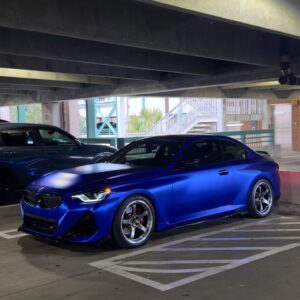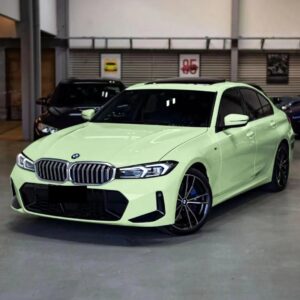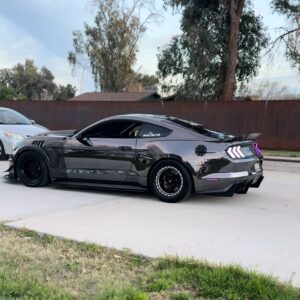
Satin color is one of the most balanced finishes in vehicle styling because it sits in the sweet spot between flat matte and high-gloss shine. Instead of looking overly reflective or completely muted, a satin finish gives the surface a soft, silky glow that looks refined from every angle. In practical terms, satin color is less about a single fixed measurement and more about a visual effect: smooth, elegant, and controlled. That is exactly why more drivers looking for a premium appearance without the maintenance pressure of a mirror-like surface start their search with a cheap car wrap before narrowing down to satin options.
So, what makes satin color different from other finishes? The answer starts with light reflection. Gloss finishes bounce back more light and create a sharper, wetter-looking shine. Matte finishes reduce reflection and create a flatter, more understated effect. Satin lives between them. It reflects enough light to show the body lines, edges, and curves of a vehicle, but not so much that every fingerprint, swirl, or bright highlight dominates the look. For many car owners, that middle ground is what makes satin so appealing.
Why Satin Color Looks Different
Another thing that sets satin color apart is the way it changes the personality of a color itself. A red satin wrap looks calmer and more sophisticated than a gloss red. A black satin wrap feels deeper and more upscale than a plain matte black. A silver satin finish often feels cleaner and more technical than either gloss silver or full chrome. In other words, satin does not just change shine; it changes how the eye reads the color. The finish adds depth without becoming flashy, which is why a satin car wrap is such a strong choice for drivers who want a custom look that still feels tasteful and modern.
Satin also performs especially well on modern vehicle shapes. On cars with strong shoulder lines, wide fenders, or sculpted doors, satin helps highlight form without producing the intense glare you get from high-gloss films. This makes the body design easier to appreciate in daylight, under parking-lot lighting, and even on cloudy days. The result is a finish that looks intentional in almost every environment. That is one reason satin has remained relevant across performance cars, luxury builds, daily drivers, and show vehicles alike.
Satin vs. Matte, Gloss, and Chrome
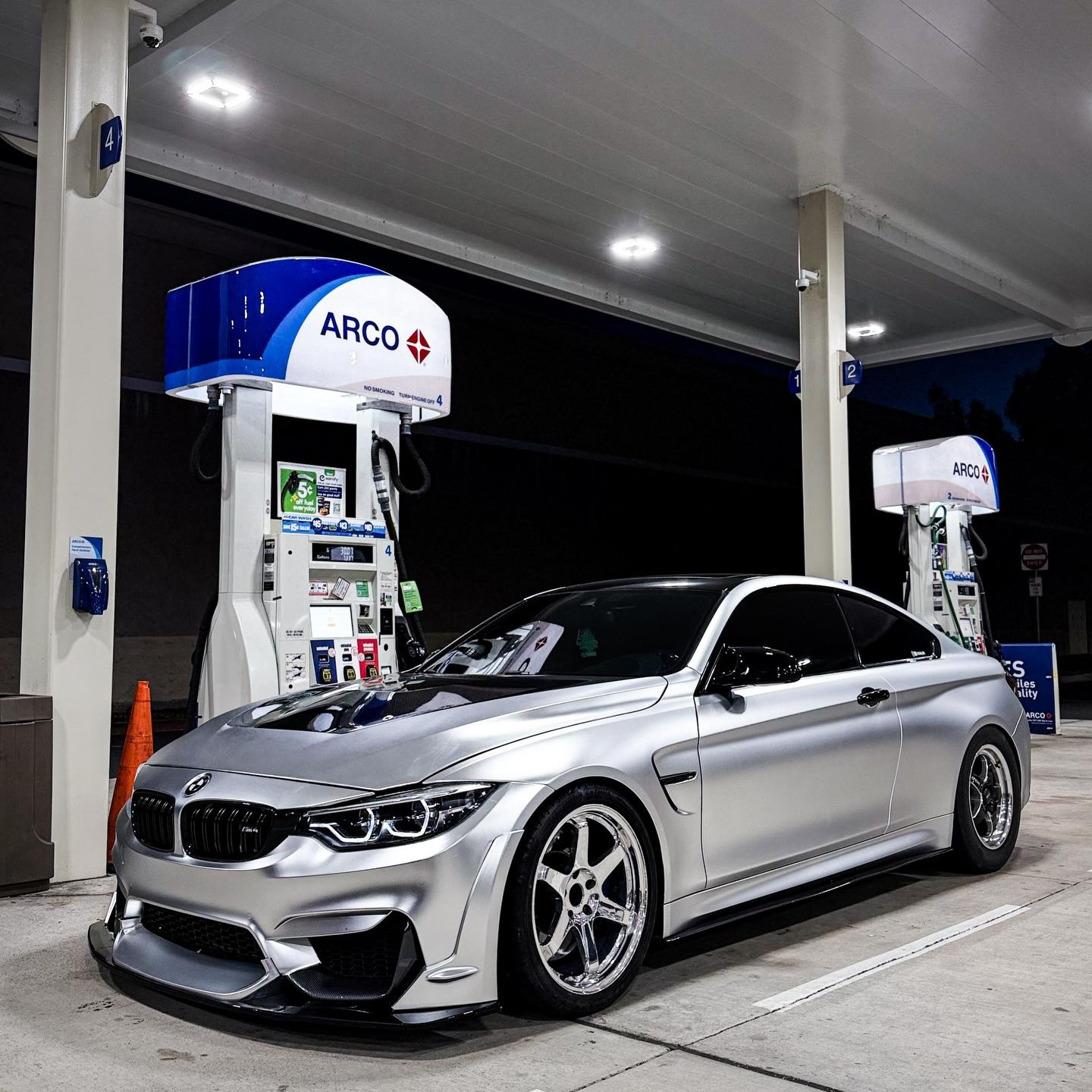
If you are comparing satin to chrome or metallic finishes, the distinction becomes even clearer. Chrome is highly reflective and instantly dramatic. Matte is muted and minimalist. Satin can borrow some of the richness of both without fully becoming either one. For example, a satin chrome silver wrap can deliver a futuristic, premium tone while avoiding the loud mirror effect that makes some chrome wraps feel too aggressive for everyday use. If you want a finish that turns heads without overwhelming the vehicle, satin is often the smarter long-term choice.
There is also a practical reason people choose satin color: it tends to be visually forgiving. While no wrap finish is maintenance-free, satin generally hides minor dust, light smudging, and everyday road grime better than a very glossy surface. At the same time, it usually reveals styling details more clearly than a very flat matte finish. That balance is useful for owners who want a customized appearance but still drive their car regularly. In other words, satin gives you a premium aesthetic that feels realistic to live with.
Why Satin Color Works So Well on Modern Cars
From a styling perspective, satin color offers unusual versatility. It works well in neutral shades such as gray, silver, black, and white, but it also elevates bolder colors like blue, purple, green, or orange. On ALUKOVINYL, shoppers exploring a silver car wrap often notice that satin silver feels especially refined because it combines brightness with restraint. It is bright enough to emphasize clean lines and contours, yet subtle enough to avoid the harsh glare associated with mirror chrome. That makes satin silver one of the easiest finishes to recommend for drivers who want sophistication first and drama second.
Another advantage of satin is that it aligns well with the technology of modern wrap films. Today’s premium vehicle wrap materials are designed to conform more cleanly around curves, channels, and complex surfaces than older products, which helps satin finishes look more uniform across the whole car. That consistency matters because satin is all about visual control. When the film lays smoothly, the finish looks deliberate, upscale, and factory-level rather than patchy or overdone.
Who Should Choose a Satin Finish?
Satin color is ideal for anyone who wants a finish that feels more premium than matte but more restrained than gloss. It suits owners who appreciate design details, clean lines, and a custom appearance that does not go out of style quickly. It is also a strong choice for drivers who want their wrap to photograph well in many lighting conditions. Because satin diffuses light more gently than gloss, it often produces a richer, more stable look in photos and video.
It is especially effective for daily-driven cars that still need to look elevated. A satin finish can feel sporty on a coupe, executive on a sedan, muscular on an SUV, and technical on a performance build. That range is one of satin’s biggest strengths. Some finishes are highly niche, but satin is broad enough to work across different vehicle types, colors, and personal styles.
Final Thoughts
In the end, satin color stands apart because it combines elegance, depth, and usability in one finish. It softens reflections without killing character, enhances color without adding too much visual noise, and gives modern vehicles a sophisticated custom look that works on the street as well as at shows. If your goal is a finish that looks distinctive, polished, and easy to live with, satin may be the most complete option available. Start by comparing tone and texture carefully, then choose the satin shade that best fits your vehicle’s lines and your personal style.