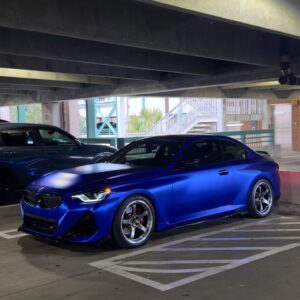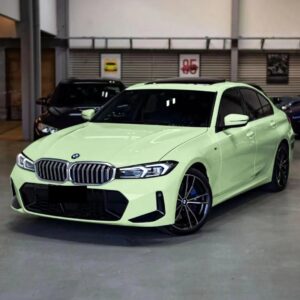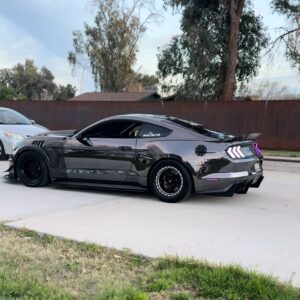
Dark blue has always carried a sense of confidence, intelligence, and quiet luxury. Today, that appeal is returning to the road in a stronger way. While white, black, and gray still dominate global vehicle production, drivers are increasingly looking for colors that feel personal without becoming too flashy. That is where dark blue cars stand out. They offer the elegance of black, the depth of navy, and the expressive character of a true color finish.
Recent industry data supports this shift. Axalta’s 2025 Global Automotive Color Popularity Report shows that blue maintained a 6% global share and remained the strongest chromatic automotive color. At the same time, the vehicle wrap market continues to expand rapidly. Grand View Research estimated the global automotive wrap films market at USD 3.54 billion in 2024 and projected it to reach USD 15.32 billion by 2033, driven by customization, paint protection, and the desire for reversible styling. Together, these trends explain why dark blue is becoming a smart, premium choice for modern vehicle owners.
Why Dark Blue Works So Well on Modern Vehicles
Dark blue is powerful because it changes personality with the lighting. Under direct sun, it reveals its rich blue tone and body-line definition. In shade or at night, it becomes deeper, smoother, and almost black. This makes it suitable for many vehicle types: performance coupes, luxury sedans, electric vehicles, SUVs, trucks, and even commercial fleets that want a professional but memorable look.
Compared with black, dark blue feels more distinctive. Compared with bright blue, it feels more mature. Compared with gray or silver, it adds emotional depth. It also pairs beautifully with gloss black wheels, chrome-delete packages, carbon fiber trim, tinted windows, silver badges, and smoked lighting. For owners considering an automotive wrap, dark blue is one of the safest ways to move beyond neutral colors while still keeping a refined appearance.
Why Choose a Vinyl Wrap Instead of Paint?
A full repaint can permanently change a vehicle and may affect resale value if the work is not factory-level. A vinyl wrap gives owners more flexibility. It can transform the exterior, help protect the original paint from light scratches and road wear, and be removed later when style preferences change. That reversibility is a major reason wraps are becoming mainstream.
ALUKOVINYL’s blue category gives buyers several options, from gloss and metallic finishes to matte and satin looks. For drivers comparing a blue vinyl wrap, the advantage is choice. A bright blue can feel sporty, a metallic blue can feel futuristic, and a matte dark blue can feel understated, high-end, and architectural.
ALUKOVINYL Dark Blue Matte Wrap: Premium Style with Practical Benefits
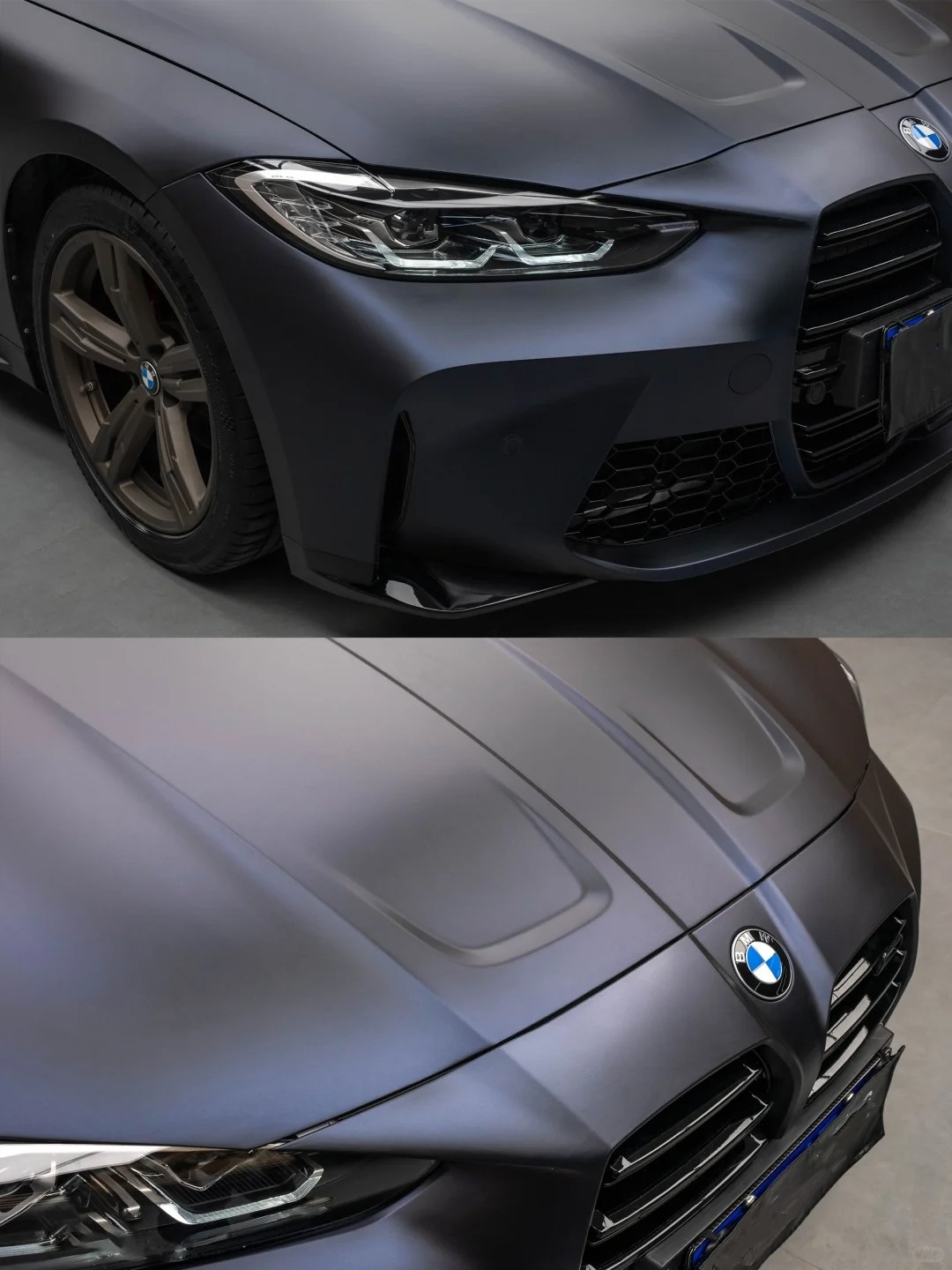
ALUKOVINYL’s Dark Blue Matte Wrap is designed for vehicle surfaces and smooth, hard, non-porous exteriors. The product page highlights air-channel release technology, which helps the film adapt to simple and complex curves while reducing trapped air during installation. This matters especially on matte finishes, because bubbles, stretch marks, and uneven pressure can be more visible than on some glossy wraps.
The visual advantage is clear: matte dark blue creates a sophisticated, modern look that avoids excessive shine while still emphasizing the vehicle’s form. On a sedan, it feels executive and composed. On a performance car, it looks technical and aggressive. On an SUV, it creates a premium adventure-ready appearance. The finish also helps hide some minor surface reflections, giving panels a smooth, sculpted look.
ALUKO’s main brand strength is the balance between design variety, accessible pricing, and installation-friendly product positioning. The brand offers many blue wrap options, making it easier for shoppers to choose a shade that fits their vehicle and personality. A practical limitation is that matte dark films require disciplined maintenance. Harsh brushes, abrasive compounds, waxes, and aggressive solvents should be avoided. Gentle hand washing with pH-neutral products is the better approach.
Benefits and Considerations
| Factor | Benefit of Dark Blue Wrap | ALUKO Advantage | Practical Note |
|---|---|---|---|
| Appearance | Elegant, deep, and less common than black or gray. | Matte finish creates a modern premium look. | Lighting changes the color perception throughout the day. |
| Customization | Transforms the car without permanent repainting. | Broad blue wrap catalog supports different styles. | Buy enough film from the same batch to reduce shade variation. |
| Installation | Can conform to body panels when applied correctly. | Air-channel release supports cleaner application. | Professional installation is recommended for bumpers and deep curves. |
| Maintenance | Matte surface offers a refined non-gloss appearance. | Suitable for owners seeking understated luxury. | Avoid polishing compounds and automatic brush washes. |
First-Hand Installation and Durability Validation Process
Before a full wrap, a practical test should be performed on a 60 cm x 60 cm hood or fender panel. First, wash the surface thoroughly, clay the paint, remove tar or iron contamination, and wipe with 70% isopropyl alcohol. The surface must be smooth, dry, and free of wax, silicone, ceramic residue, or dust.
Next, cut the matte dark blue film with at least 5 cm of extra material on each side. Position the film lightly, then anchor the center and squeegee outward using overlapping strokes at about 45 degrees. Use moderate heat only when needed to relax the film around curves. Avoid overstretching, because matte finishes can show tension marks, discoloration, or uneven texture if too much heat and force are used.
After installation, post-heat edges, corners, and recessed areas according to professional wrap practice. Let the test panel rest indoors for 24 hours. Then inspect it after 24 hours, 7 days, 14 days, and 30 days. Record bubble formation, edge lift, matte uniformity, cleaning response, adhesive movement, and color stability under direct sun and shade. A successful result should show stable edges, no tunnel bubbles, no visible whitening from squeegee pressure, and no adhesive residue during a controlled heated removal test on a small sample strip.
Testing Standards and Parameters Buyers Should Know
When comparing dark blue wraps, buyers should look beyond photos. Film thickness can be evaluated using ASTM D6988 guidance for plastic film thickness. Surface hardness and indentation behavior can be referenced through ASTM D2240 or ISO 48-4 durometer methods when applicable. UV and weathering resistance can be evaluated with ASTM D4329 or ISO 4892-3 fluorescent UV exposure methods. For clear protective layers or PET-based surfaces, ASTM D1003 can help assess haze and luminous transmittance, which are useful indicators for clarity and yellowing control.
In simple terms, these methods help answer the questions vehicle owners care about most: is the film consistent, will it resist handling marks, will sunlight affect the color, and will the finish remain visually clean over time? For a matte dark blue vehicle, those factors are essential because the premium effect depends on smooth texture, stable color, and clean edges.
Final Takeaway
Dark blue is gaining popularity because it offers sophistication, individuality, and everyday usability in one color family. It is expressive without being loud and premium without being predictable. ALUKOVINYL’s Matte Dark Blue Wrap gives drivers a reversible way to achieve that look while benefiting from wrap flexibility and installation-friendly features. For anyone ready to move beyond ordinary neutrals, matte dark blue is one of the most elegant vehicle styling choices available today.