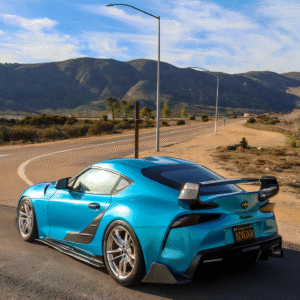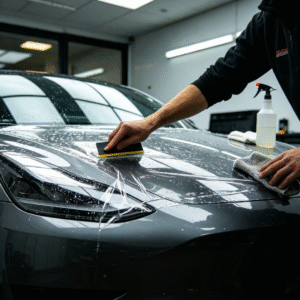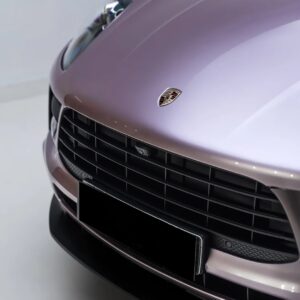
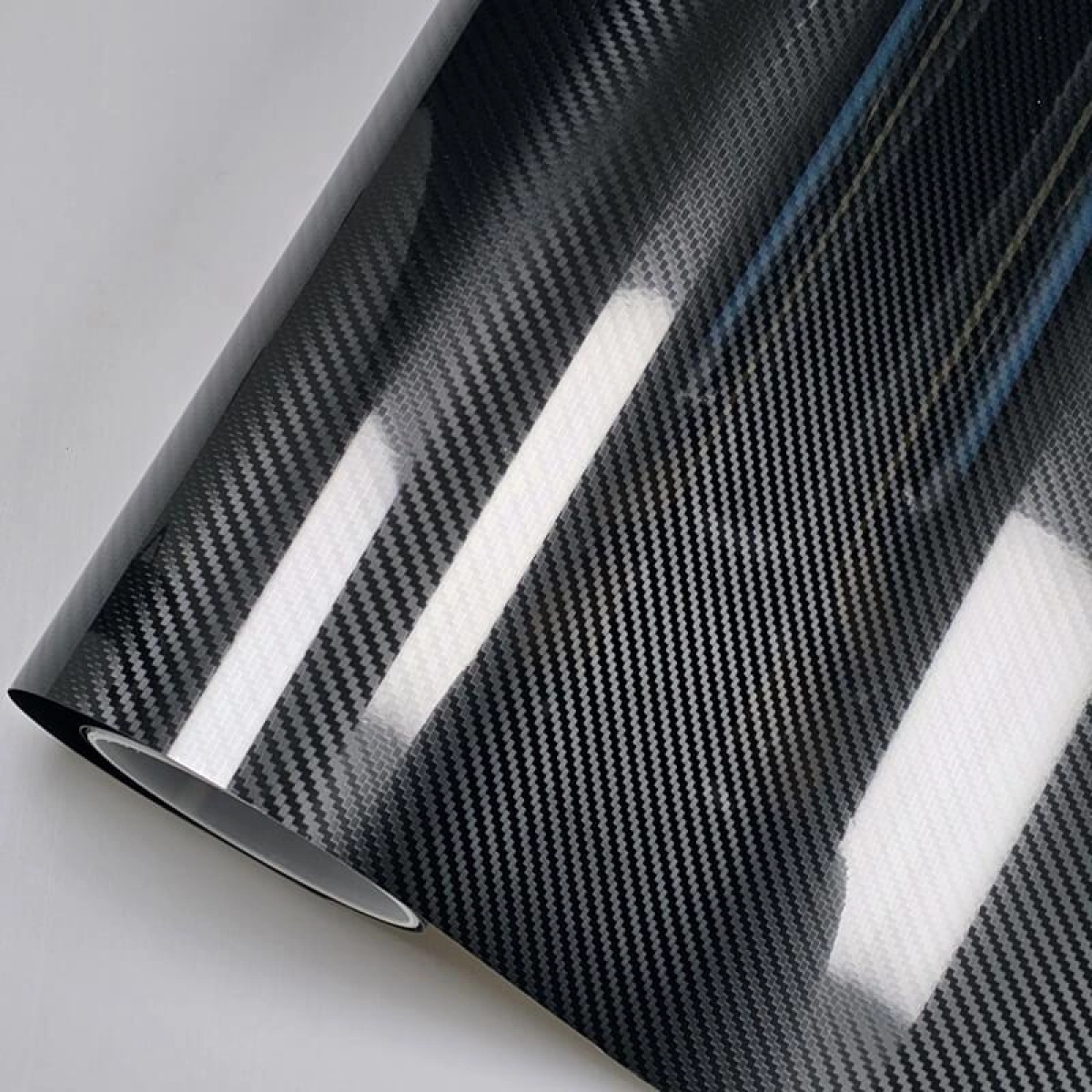
What Is Carbon Fiber PPF?
Carbon fiber PPF (Paint Protection Film) is a next-generation automotive protection film that combines the protective performance of traditional TPU paint protection film with the aggressive visual style of real carbon fiber. Unlike conventional carbon fiber vinyl wraps, carbon fiber PPF is engineered with a polyurethane-based protective layer designed to resist scratches, stone chips, UV damage, and environmental contamination while transforming the appearance of a vehicle.
In simple terms:
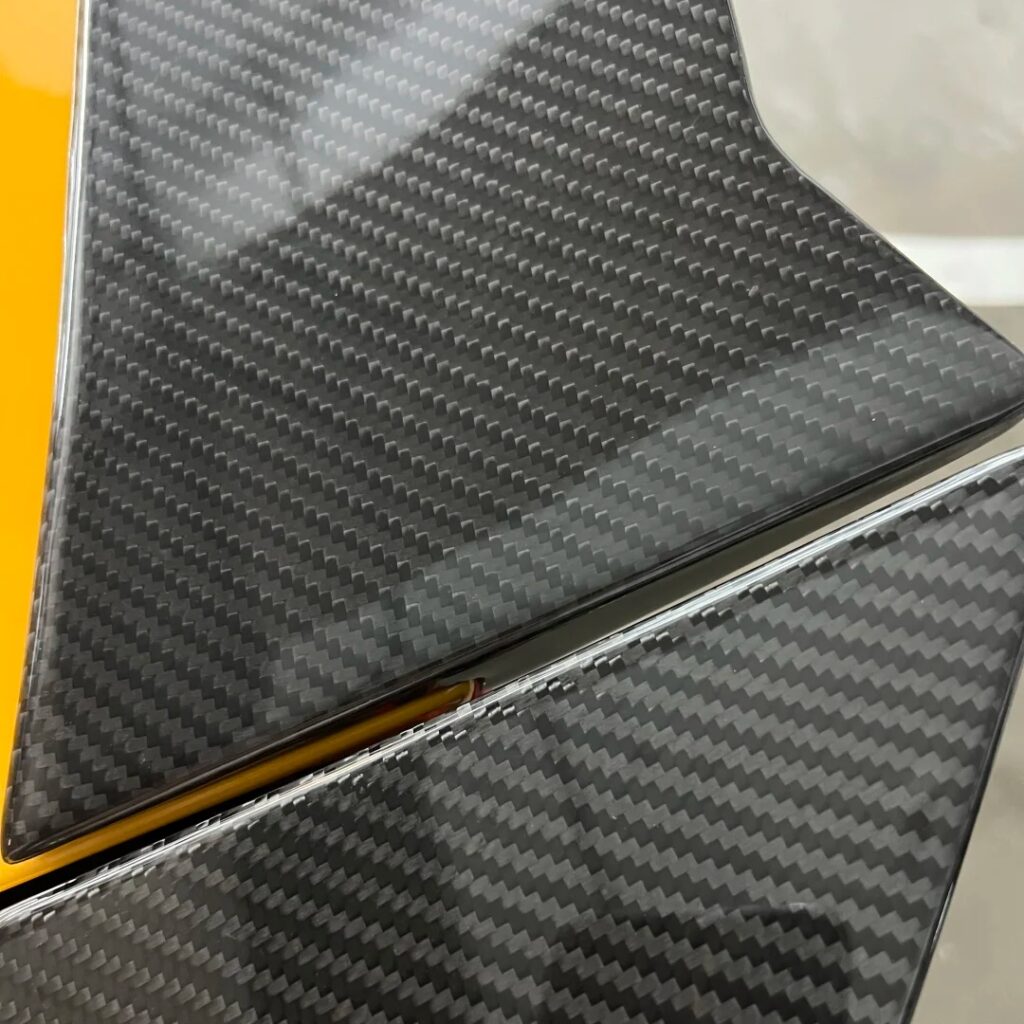
Carbon fiber PPF is a protective TPU film with a realistic carbon fiber texture and finish, offering both aesthetic customization and paint protection.
Traditional vinyl wrap focuses mainly on changing vehicle appearance, while carbon fiber PPF adds an additional protective function through TPU technology.
For drivers who want a motorsport-inspired appearance without sacrificing paint protection, carbon fiber PPF has become one of the most advanced options available.
Carbon Fiber PPF vs Carbon Fiber Vinyl Wrap: What Is the Difference?
One of the most common questions from car enthusiasts is:
“Should I choose carbon fiber wrap or carbon fiber PPF?”
Although they look similar, the materials are completely different.
| Feature | Carbon Fiber Vinyl Wrap | Carbon Fiber PPF |
|---|---|---|
| Main Material | PVC vinyl | TPU polyurethane |
| Primary Purpose | Appearance change | Protection + appearance |
| Scratch Resistance | Medium | High |
| Stone Chip Protection | Limited | Excellent |
| Self-Healing | Usually No | Yes (premium TPU films) |
| Thickness | Around 3-4 mil | Around 6-10 mil |
| Finish Depth | Good | More paint-like |
| Cost | Lower | Higher |
| Removal | Easy | Easy when professionally installed |
A high-quality vinyl wrap is an excellent solution for color changes, branding, and styling upgrades. However, it does not provide the same impact protection as TPU-based films.
For maximum protection, many professional installers recommend choosing TPU wrap technology because TPU provides better elasticity, impact resistance, and long-term durability.
How Does Carbon Fiber PPF Protect Your Vehicle?
Carbon fiber PPF is built using multiple layers, each serving a specific purpose.
1. TPU Base Layer
The thermoplastic polyurethane (TPU) layer provides:
- Impact absorption
- Flexibility around vehicle curves
- Resistance against road debris
- Long-term durability
Premium PPF manufacturers including XPEL and Avery Dennison use TPU-based structures because TPU offers superior protection compared with traditional PVC films.
2. Self-Healing Top Coat
One of the biggest advantages of modern PPF technology is self-healing performance.
Minor scratches, swirl marks, and surface abrasions can disappear when exposed to:
- Heat from sunlight
- Warm water
- Controlled heating during maintenance
XPEL explains that modern PPF uses advanced polymer technology to help repair minor surface imperfections.
However, it is important to understand:
Self-healing does not mean the film is impossible to damage.
Deep cuts that penetrate through the protective layer may require film replacement.
3. Carbon Fiber Texture Layer
The carbon fiber appearance is created through a structured surface pattern that provides:
- 3D depth effect
- Gloss or satin carbon appearance
- Performance-inspired styling
Compared with printed carbon vinyl, premium carbon fiber PPF creates a more realistic “OEM performance package” appearance.
Why Choose Carbon Fiber PPF?
1. Real Carbon Fiber Appearance Without Expensive Replacement Parts
Real carbon fiber body parts can cost thousands of dollars.
For example:
- Carbon fiber hood: $2,000-$5,000+
- Carbon fiber mirror caps: $300-$800
- Carbon fiber spoilers: $500-$2,000+
Carbon fiber PPF allows enthusiasts to achieve a similar visual effect at a much lower investment while keeping the original parts protected.
2. Protect Expensive Automotive Paint
Modern performance vehicles often use expensive factory finishes, including:
- Matte paint
- Metallic paint
- Special edition colors
- Premium clear coats
A repaint after stone chips or scratches can easily cost hundreds or thousands of dollars.
Carbon fiber PPF helps protect against:
- Highway stone impacts
- Door scratches
- Road salt
- Bird droppings
- UV fading
- Chemical stains
Premium PPF products from manufacturers such as Avery Dennison are designed to protect against road debris, insect stains, weathering, and minor scratches.
3. Improve Resale Value
Maintaining original paint is one of the most effective ways to preserve vehicle value.
A vehicle with:
- Factory paint condition
- Protected body panels
- Professional PPF installation
is generally more attractive to future buyers compared with a car requiring repainting.
Carbon Fiber PPF Pros and Cons
Advantages
✅ Superior Protection
Compared with traditional wraps, carbon fiber PPF provides stronger resistance against:
- Rock chips
- Scratches
- Environmental damage
✅ Premium Appearance
Carbon fiber PPF creates a luxury motorsport look suitable for:
- BMW M models
- Porsche 911
- Corvette C8
- Nissan GT-R
- Lamborghini
- Tesla Performance models
✅ Self-Healing Technology
Premium TPU films can reduce the appearance of light scratches through heat activation.
✅ Easier Maintenance
Many PPF products include hydrophobic surface coatings that help repel:
- Water
- Dirt
- Road grime
XPEL highlights water repellency and self-healing properties as key features of modern PPF systems.
Disadvantages
❌ Higher Cost Than Vinyl Wrap
Carbon fiber PPF requires more advanced TPU technology, making it more expensive than standard vinyl wrap.
❌ Professional Installation Recommended
Because PPF is thicker and more technical than vinyl, installation requires:
- Proper surface preparation
- Controlled environment
- Experience handling TPU material
Poor installation may result in:
- Edge lifting
- Contamination
- Visible seams
❌ Limited Color Options
Compared with traditional vinyl wraps, carbon fiber PPF focuses mainly on carbon finishes rather than unlimited colors.
For customers looking for full-color customization, color PPF can be a better choice.
Carbon Fiber PPF vs Leading Brands: 3M, XPEL, Avery Dennison Comparison
The automotive film industry includes several major manufacturers.
| Brand | Technology Focus | Key Strength |
|---|---|---|
| XPEL | Premium TPU PPF | Self-healing protection technology |
| 3M | Automotive film solutions | Global reputation and engineering support |
| Avery Dennison | Advanced polyurethane films | Installation performance and durability |
| ALUKO Carbon Fiber PPF | TPU carbon protection | Carbon styling + protection balance |
3M provides automotive paint protection film solutions with manufacturer-backed warranty programs.
Avery Dennison Supreme Defense PPF uses polyurethane construction with self-healing top coating technology and offers long-term durability specifications depending on product type.
XPEL is widely recognized in the premium PPF market for self-healing paint protection products.
When comparing films, consumers should evaluate:
- TPU quality
- Thickness
- Optical clarity
- Adhesive performance
- Warranty
- Installer experience
Not just brand name.
Real Installation Example: Carbon Fiber PPF on a Performance Vehicle
Vehicle:
BMW M4 Competition
Installation Areas:
- Front bumper
- Mirror caps
- Hood sections
- Side skirts
Customer Goal:
The owner wanted:
- More aggressive M-performance styling
- Protection from highway debris
- Avoid expensive carbon fiber replacement parts
Recommended Solution:
Carbon fiber PPF provided:
✔ Motorsport appearance
✔ Added impact resistance
✔ Easier maintenance
✔ Original paint preservation
This type of application is especially popular among owners who frequently attend:
- Track events
- Car meets
- Highway driving
Is Carbon Fiber PPF Worth It?
Carbon fiber PPF is worth considering if you:
✅ Own a performance or luxury vehicle
✅ Want a carbon fiber appearance
✅ Drive frequently on highways
✅ Want paint protection without permanent modification
✅ Want better protection than vinyl wrap
However, if your goal is only changing vehicle color, traditional vinyl wrap may provide better value.
How Long Does Carbon Fiber PPF Last?
The lifespan depends on:
- Film quality
- Installation quality
- Climate conditions
- Maintenance habits
Typical premium TPU PPF products can provide approximately:
5-10 years of protection when properly installed and maintained.
Manufacturers such as Avery Dennison publish durability specifications for their polyurethane protection films, while premium brands like XPEL provide long-term automotive PPF solutions with warranty coverage.
How to Maintain Carbon Fiber PPF
For maximum lifespan:
Recommended:
✔ Hand wash regularly
✔ Use pH-neutral car shampoo
✔ Avoid aggressive polishing
✔ Remove contaminants quickly
✔ Use microfiber towels
Avoid:
❌ Automatic brushes
❌ Strong solvents
❌ Sharp tools near edges
Frequently Asked Questions About Carbon Fiber PPF
Is carbon fiber PPF real carbon fiber?
No. Carbon fiber PPF is not made from actual carbon fiber material. It uses TPU film technology with a carbon fiber pattern and texture to create the appearance of carbon fiber while providing paint protection.
Can carbon fiber PPF self-heal?
Premium TPU carbon fiber PPF can self-heal minor surface scratches when exposed to heat. However, deep cuts cannot be repaired.
Can carbon fiber PPF be removed?
Yes. Professional removal should not damage factory paint when the film is correctly installed and removed.
Is carbon fiber PPF better than vinyl wrap?
It depends on your goal.
Choose vinyl wrap for:
- Color changes
- Lower cost customization
Choose carbon fiber PPF for:
- Protection
- Premium carbon styling
- Long-term paint preservation
Can carbon fiber PPF be installed on the entire vehicle?
Yes. Full vehicle installation is possible, although many owners choose high-impact areas such as:
- Hood
- Front bumper
- Mirrors
- Side skirts
Upgrade Your Vehicle With Carbon Fiber PPF
Carbon fiber PPF represents the combination of modern protection technology and motorsport-inspired design. It delivers the aggressive appearance of carbon fiber while helping protect your vehicle from everyday damage.
For drivers who want more than a simple appearance upgrade, carbon fiber PPF provides a premium solution:
Style + Protection + Long-Term Value.
Explore ALUKO’s advanced carbon fiber ppf solution:
Protect your paint. Upgrade your style. Experience the next generation of automotive film technology.