Searching “PPF shops near me” may return dozens of local detailers, wrap studios, tint shops, and specialized paint protection film installers. The difficult part is not finding a shop—it is determining which installer can deliver clean edges, consistent coverage, appropriate film selection, and reliable after-sales support.
Paint protection film, commonly called PPF or clear bra, is a thermoplastic polyurethane-based protective film designed to reduce damage from stone chips, road debris, minor scratches, bug residue, and everyday environmental exposure. Major manufacturers such as 3M describe modern PPF as a protective layer against rocks, bugs, sand, salt, keys, and other road hazards, while many current films also incorporate heat-activated self-healing technology.
But film technology is only half the equation. Installation quality can be just as important as the PPF brand itself.
This guide explains how to evaluate PPF shops near you, what questions to ask before booking an installation, how leading PPF products compare, and which type of coverage makes sense for different vehicles.
How Do I Find the Best PPF Shops Near Me?
The best PPF shop near you should offer experienced installers, documented film specifications, a clean installation environment, clear warranty terms, vehicle-specific cutting patterns, transparent coverage options, and examples of previous installations.
Before choosing a shop, compare the exact PPF brand and product line, film thickness, TPU construction, warranty, installation technique, edge wrapping, paint preparation, and aftercare policy—not simply the lowest quote.
Manufacturer installer directories can also be useful. For example, XPEL maintains an official U.S. installer locator specifically for locating professional PPF installers.
Why “PPF Shops Near Me” Is More Complicated Than It Sounds
Two shops located only a few miles apart can produce significantly different results even if they install similar films.
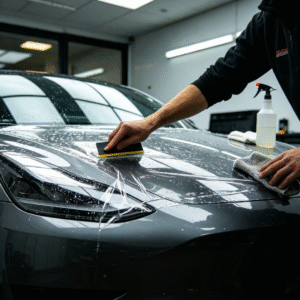
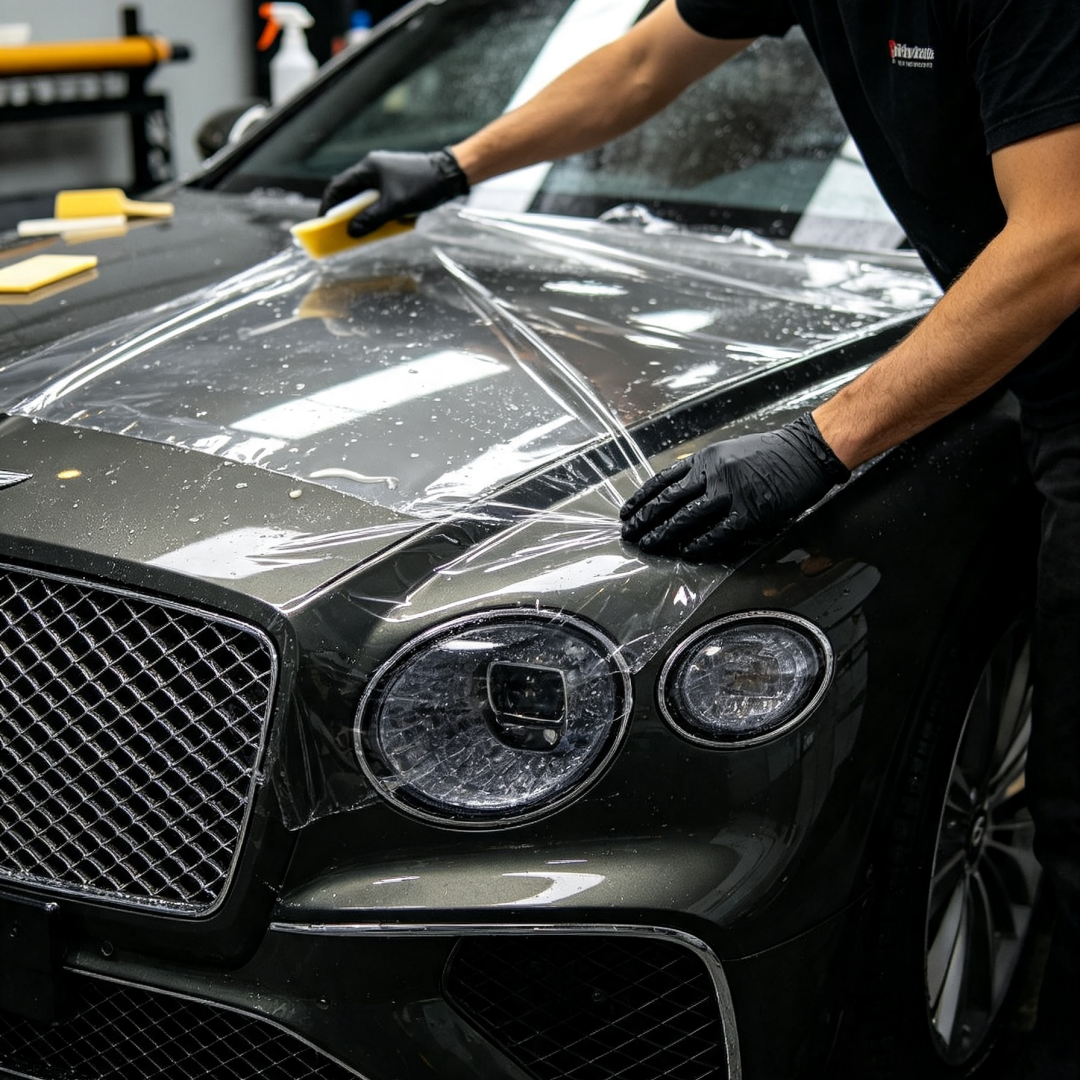
A professional PPF installation involves much more than placing transparent material over paint. Panels must be cleaned and decontaminated, existing paint defects may need correction, film must be positioned correctly, moisture and contamination must be controlled, edges must be handled carefully, and complex curves require experienced stretching and finishing.
For this reason, consumers should compare the film + installer + warranty as one complete system.
3M, for example, provides a formal consumer warranty registration process requiring information including the vehicle VIN, installation date, installer business name, and installed PPF product. That illustrates why knowing exactly who installed your film and which product was used matters.
If you are researching materials before contacting a local installer, understanding the difference between conventional vinyl wrap and TPU-based PPF is also important. Vinyl is primarily selected for appearance changes, while PPF is engineered with physical paint protection as a central purpose.
What Should You Look for in a PPF Installer?
The first question should not be “How much is full-body PPF?”
Ask what film is being installed and exactly what the quoted package includes.
A reliable shop should be able to identify the manufacturer, product series, approximate film thickness, warranty period, finish, installation method, and panels included in the quotation.
Film specifications differ substantially between product lines. STEK DYNOshield, for example, lists an 8-mil construction, hydrophobic properties, stain resistance, heat-assisted self-healing, and a 10-year warranty against defects such as delamination, yellowing, bubbling, and cracking. SunTek PPF Ultra likewise carries a manufacturer-backed 10-year limited warranty, while SunTek Reaction is marketed with a 12-year limited warranty when professionally sold and installed.
Those warranty differences demonstrate why asking simply for “PPF” is not precise enough.
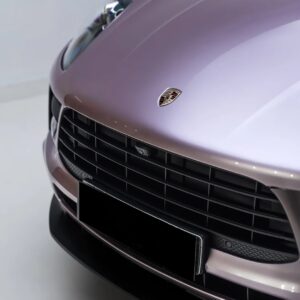
For buyers considering colored protection films, tpu wrap can combine a substantial appearance change with the protective properties associated with TPU PPF. ALUKO describes its colored TPU PPF range as designed to protect against scratches, chips and UV exposure while simultaneously changing vehicle color.
How Much Does PPF Installation Cost Near Me?
There is no reliable nationwide flat price for PPF installation because labor rates, vehicle size, panel complexity, film brand and coverage vary.
A useful real-world reference comes from Chicago Ceramic Garage. Its currently published XPEL PPF packages advertise approximately $875 starting price for partial-front coverage, $1,850 for full-front coverage, and $6,250 for full-body PPF. The shop states that its packages include a 10-year warranty. These figures should be treated as one U.S. installer’s public pricing—not a national average.
This distinction matters for SEO and for consumers: searches such as “PPF shops near me price” often produce misleading comparisons if one quotation covers only a bumper and partial hood while another covers the entire front clip.
A Porsche 911, Tesla Model Y and Ford F-150 should not necessarily receive the same quote. They have different panel areas, shapes, trim configurations and installation complexity.
For accurate comparisons, ask every shop to quote exactly the same coverage.
Partial Front vs Full Front vs Full-Body PPF
For many daily drivers, full-front PPF offers a practical balance between cost and protection because the bumper, hood, fenders and mirrors are among the most exposed areas during highway driving.
Full-body PPF becomes more attractive for luxury vehicles, exotic cars, performance cars, frequently driven vehicles, and owners who want consistent surface protection across nearly every painted panel.
Clear protection can preserve the factory appearance without creating an obvious color change. Drivers who want this approach can research clear ppf options before requesting quotations from nearby installers.
For a more specific gloss TPU option, ALUKO also provides clear ppf designed around transparent paint protection rather than a cosmetic color conversion.
PPF Brand Comparison: ALUKO vs TeckWrap vs Tinybot vs INOZETEK
PPF shoppers increasingly have choices beyond traditional clear film. Manufacturers now offer clear, matte, gloss black and color-changing TPU films.
| Brand | Current PPF Offering | Notable Published Characteristics | Best Considered For |
|---|---|---|---|
| ALUKO | Clear and colored TPU PPF | Clear and colored protection options; colored TPU films combine appearance change with scratch/chip/UV protection claims | Shops or owners seeking broad color selection plus TPU protection |
| TeckWrap PPF | Clear and colored PPF | Current E75 Crystal uses aliphatic TPU; V85 Senti publishes 95% light transmission, ≥98% UV resistance, 23 MPa tensile strength and 450% elongation | Buyers who value published technical specifications |
| Tinybot PPF | Guardian clear/matte/black and Premium Color PPF | Promotes scratch/impact/UV resistance and heat-activated self-healing across its color PPF range | Style-focused color PPF customers |
| INOZETEK PPF | INOCLEAR and Dynamic Color PPF | INOCLEAR is listed at 7.5 mil; Dynamic PPF includes dry- and wet-apply color products | Enthusiasts prioritizing paint-like color finishes and specialty PPF |
Sources: ALUKO’s current TPU PPF category describes colored TPU protection against scratches, chips and UV exposure. TeckWrap publishes detailed specifications for several current products; its V85 Senti page reports 95% light transmission, ≥98% UV resistance, 23 MPa tensile strength and 450% elongation, while its E75 Crystal identifies aliphatic TPU construction. Tinybot describes its color PPF as scratch-, impact- and UV-resistant with heat-activated self-healing. INOZETEK currently lists INOCLEAR at 7.5 mil and offers Dynamic PPF in both dry- and wet-install products depending on color.
The important conclusion is that brand name alone does not establish which PPF is best. Compare the individual series rather than assuming every film produced by one manufacturer has identical construction, thickness or warranty.
Examples of PPF Shops in Major U.S. Markets
Searching manufacturer directories is usually more reliable than choosing the first sponsored result for “PPF shops near me.”
In Los Angeles, XPEL’s installer network includes businesses across the metropolitan area. For example, XPEL Final Fit in Los Angeles offers XPEL PPF and tint installations, while Master Protection Films in West Los Angeles provides PPF alongside window tint, ceramic coating and vinyl wrapping. XPEL’s own California directory also lists installers throughout the Los Angeles region.
In New York, NYC Car Spa in Brooklyn advertises XPEL clear-bra installations covering high-impact areas through full-vehicle packages.
In Dallas–Fort Worth, XPEL Dallas operates as a PPF, window-film and ceramic-coating installation location and appears in XPEL’s Texas installer listings.
In Chicago, Chicago Ceramic Garage publishes XPEL PPF coverage packages ranging from partial-front to full-body installations and states that its team receives ongoing product training.
In Miami, XPEL’s installer directory lists local South Florida installers, while shops such as CWD Wrap advertise certified XPEL installation and manufacturer-supported warranty programs.
These businesses are examples rather than endorsements. Availability, staff, products, pricing and certification status can change, so verify current information directly with both the shop and manufacturer before booking.
Pros and Cons of Choosing a Local PPF Shop
Advantages: A nearby installer makes pre-installation inspection, paint evaluation, follow-up inspection and warranty-related visits easier. Established specialist shops may also have experience with your exact vehicle platform and access to vehicle-specific cutting patterns. Manufacturer-backed installer networks add another layer of verification; XPEL, for example, maintains a dedicated installer locator, while 3M provides installer/dealer resources and warranty registration infrastructure.
Disadvantages: Location convenience does not guarantee workmanship. Some shops specialize primarily in detailing or tint and offer PPF as a secondary service. Quotes can also appear cheaper because they use different films, omit paint correction, leave exposed panel edges or include less coverage. A shop five miles farther away may therefore deliver a better long-term installation than the nearest result.
Which Vehicles Benefit Most From PPF?
Tesla Model 3, Model Y, Model S and Model X
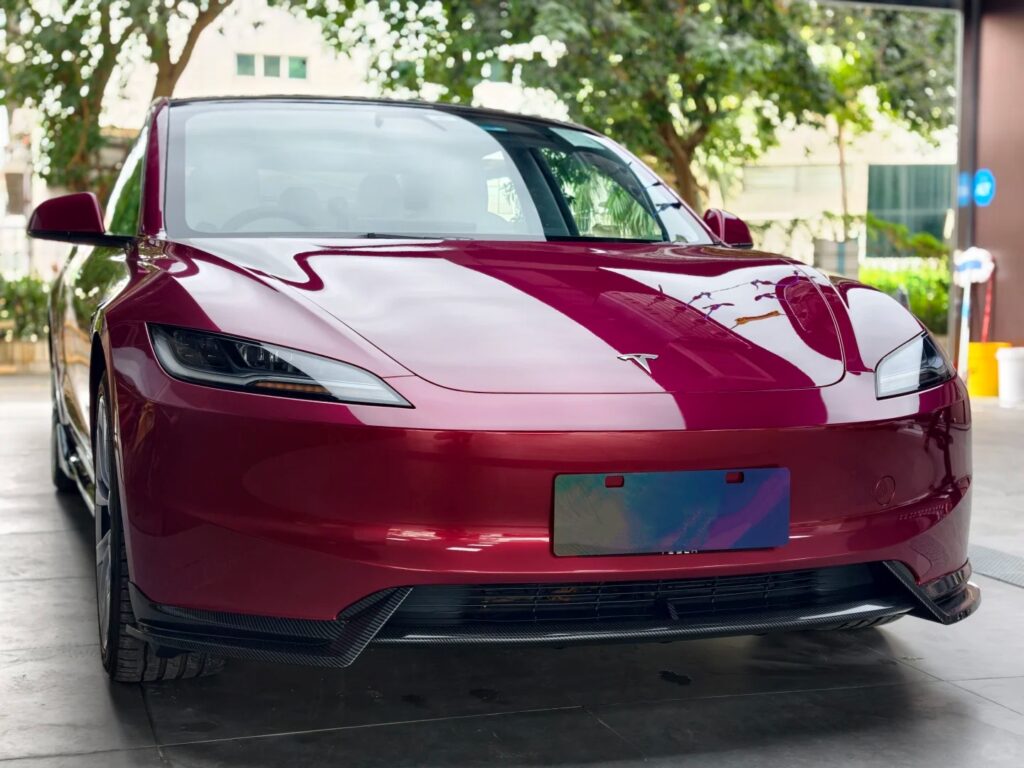
Teslas are common candidates for full-front or full-body PPF because owners often want to preserve an essentially new finish from the beginning. Several U.S. PPF installers specifically market new-car protection packages toward Tesla and EV customers.
Porsche 911, Cayman and Taycan
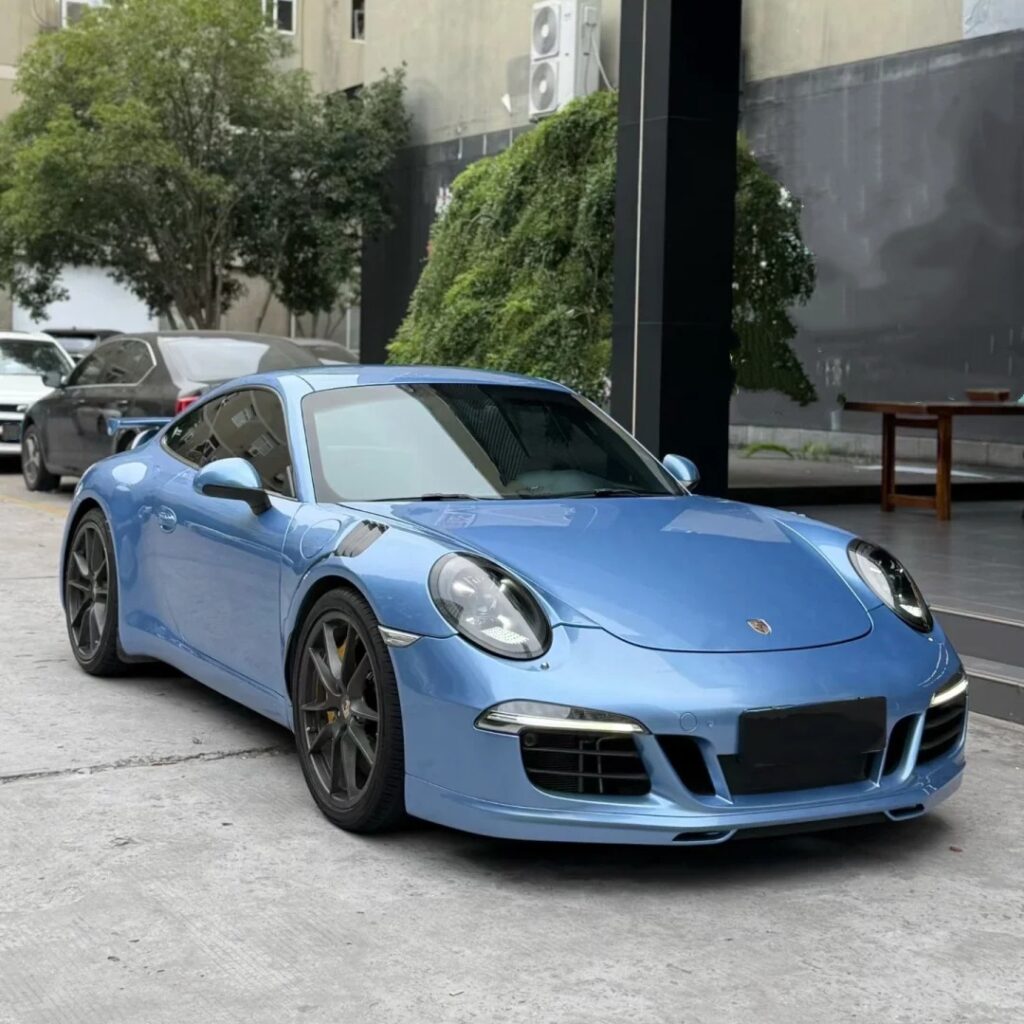
Low front bumpers, performance-oriented driving and high vehicle values make Porsche models logical candidates for full-front PPF. Track-driven cars can also benefit from extending coverage to rocker panels and other high-impact areas.
BMW M3, M4 and M5
Performance sedans and coupes frequently combine front-end protection with gloss, matte or colored PPF depending on whether factory appearance or customization is the priority.
Ford F-150, Raptor and SUVs
Large trucks and SUVs see substantial exposure to road debris, gravel and environmental contamination. Front-end PPF, rocker-panel coverage and vulnerable lower-door protection may therefore provide a more targeted alternative to full-body installation.
Ferrari, Lamborghini, McLaren and Other Exotic Cars
Full-body installation can make more sense where preserving original paint has high importance. On these vehicles, however, installer experience with complex bodywork, vents, carbon-fiber components, badges and panel edges deserves particularly close scrutiny.
Questions to Ask Before Booking a PPF Shop
Before paying a deposit, ask the shop: What exact film manufacturer and series will you install? What panels are included? Are edges wrapped where technically appropriate? Is the vehicle cut using a pattern system or bulk-installed? Does the price include paint preparation or paint correction? What defects are covered by the film manufacturer, and what installation problems are covered by the shop? Will I receive written warranty documentation? Can I inspect recent installations of the same vehicle or similar bodywork?
Those questions usually reveal more about installation quality than online star ratings alone.
PPF vs Vinyl Wrap: Which Should You Choose?
PPF and vinyl wrap overlap increasingly in appearance, but their original objectives remain different.
Traditional automotive vinyl is primarily an appearance and branding material. PPF is engineered primarily as a sacrificial protective layer. Modern colored TPU PPF now sits between those categories because it can change vehicle color while providing substantially more physical protection than a conventional appearance-oriented wrap.
If your main objective is changing colors frequently, vinyl may be appropriate. If protecting factory paint is the priority, TPU PPF deserves stronger consideration. If you want both color change and protection, modern color PPF may provide the most direct combination.
FAQ About PPF Shops Near Me
How can I find certified PPF installers near me?
Start with manufacturer installer directories where available. XPEL operates an official installer locator covering U.S. locations. Then compare the shop’s portfolio, warranty documentation and installation process rather than relying solely on distance or reviews.
Is full-body PPF worth it?
It depends on the vehicle, driving environment, ownership period and expectations. Full-body PPF is easiest to justify for high-value, enthusiast, exotic or frequently driven vehicles where paint preservation matters significantly. For many daily drivers, full-front protection may provide a more economical compromise.
How thick is automotive PPF?
There is no universal thickness. Current products vary. For example, STEK DYNOshield publishes an 8-mil specification, while INOZETEK INOCLEAR is listed at 7.5 mil. Always compare the actual product specification rather than assuming all PPF has the same construction.
Does PPF self-heal?
Many modern TPU PPF products use self-healing topcoats that reduce fine surface scratches when exposed to heat. 3M, STEK, Tinybot and other manufacturers currently describe self-healing functionality in their PPF products. Self-healing should not, however, be interpreted as an ability to repair deep cuts or severe physical damage.
What is the best PPF shop near me?
There is no universally best shop. Prioritize documented installation experience, film transparency, workmanship, clean facilities, warranty support, suitable coverage and evidence of previous work on vehicles similar to yours.
Final Takeaway: Choose the Installer, Not Just the Film
When searching “PPF shops near me,” proximity should be only the starting filter.
A high-quality PPF installation depends on the combination of material, surface preparation, installer technique, panel coverage, edge finishing and warranty support. Compare several local installers using exactly the same coverage request, confirm the exact product series they intend to use, review real completed vehicles, and read the warranty before approving the work.
ALUKO, TeckWrap, Tinybot, INOZETEK, XPEL, STEK, SunTek and 3M all demonstrate how broad the modern PPF market has become—from virtually invisible clear TPU to matte and full color-change protection films. The right choice therefore depends less on finding the nearest shop and more on matching the right film, installer and coverage strategy to your vehicle and how you actually drive it.